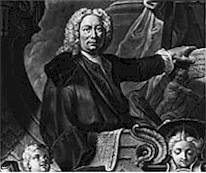
Johann Georg Bergmüller
Johann Georg Bergmüller (active 1700-1745) was a central figure in German Baroque painting, known primarily for his extensive repertoire of monumental frescoes. Operating during a period of intense ecclesiastical building and decoration, Bergmüller’s public career was defined by the architectural scale and theatrical illusionism necessary for ceiling and wall decoration across Bavarian churches and palaces. While his ambitious architectural commissions defined his notoriety, his graphic works, encompassing eight known prints and four drawings, provide a concentrated and intimate view of the dramatic sensibility inherent in the early eighteenth-century German school.
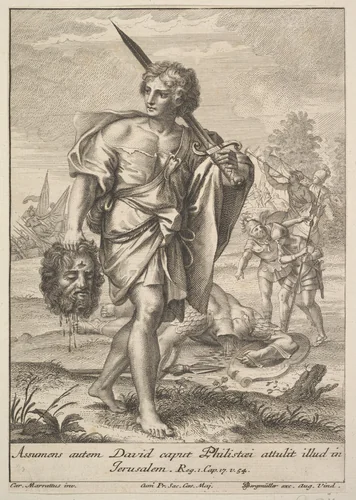
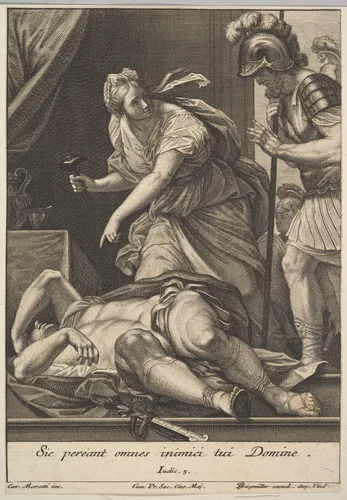
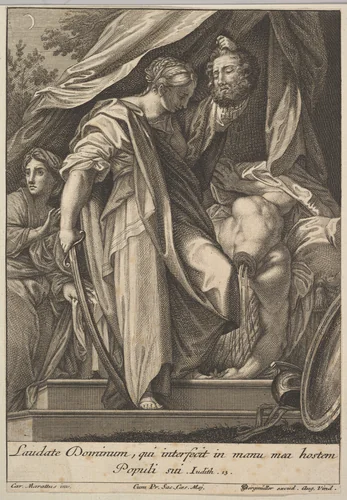
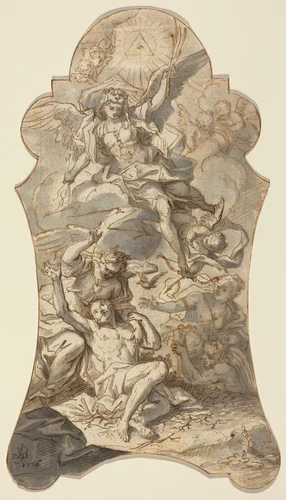
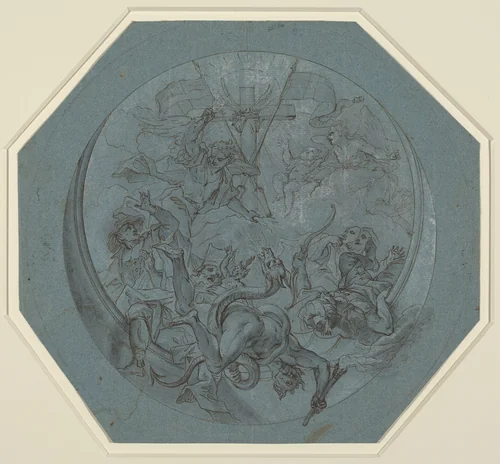
Bergmüller’s surviving corpus demonstrates a profound engagement with both theological narratives and dramatic classical allegories. His approach to historical subjects consistently favored moments of intense action and moral clarity, aligning perfectly with the emotional immediacy of the late Baroque. The sequential force found in prints such as Judith slaying Holofernes or Jael slaying Sisera highlights the prevailing fascination with female heroism and the decisive, often violent, act of salvation. Indeed, one interesting observation about Bergmüller’s print output is his frequent return to themes involving spectacular violence, suggesting perhaps a subtle market demand for high drama in the domestic display of religious virtues. He excelled at rendering the expansive dynamism required for ceiling decoration, a skill that translates effectively even to small-scale works like David with the Head of Goliath.
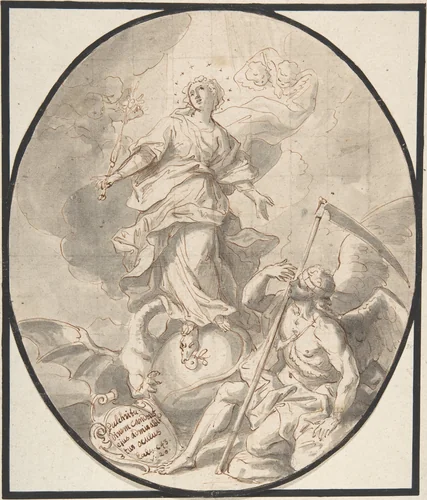
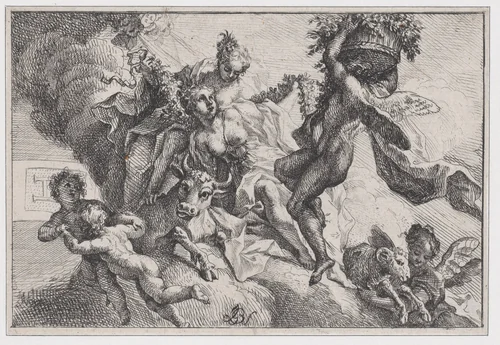
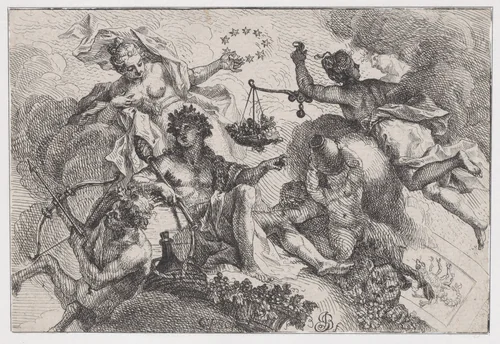
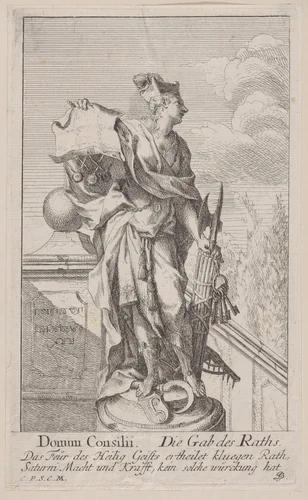
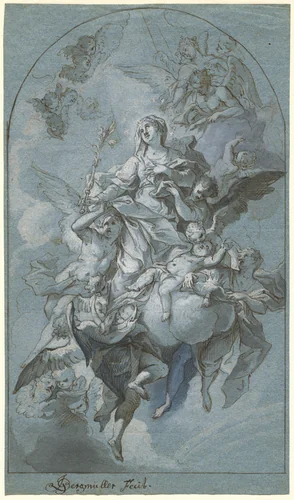
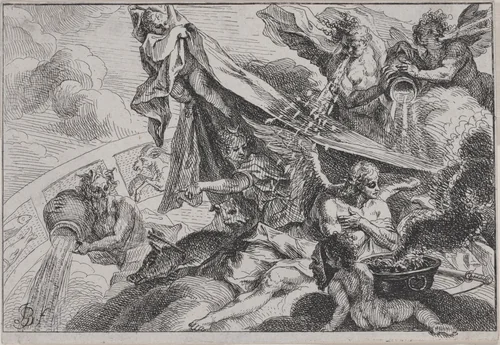
Although modern scholarly attention often prioritizes his fresco cycles, his prints, including The Immaculate Virgin and the allegorical scene Autumn, provide vital insight into his compositional process and the dissemination of his designs. These works often served as preparatory studies or successful commercial reproductions, ensuring his artistry reached a broader audience beyond the specific sacred spaces he ornamented. Today, Bergmüller’s prints and preparatory studies are held in major international collections, including the Metropolitan Museum of Art and the National Gallery of Art. Thanks to digitization efforts, many of these museum-quality reproductions, originally circulated as high-quality prints, are now available to the public domain, allowing contemporary students and enthusiasts to access royalty-free versions of Johann Georg Bergmüller prints as downloadable artwork.
Source: Wikipedia · CC BY-SA 4.0