Johann Friedrich Overbeck
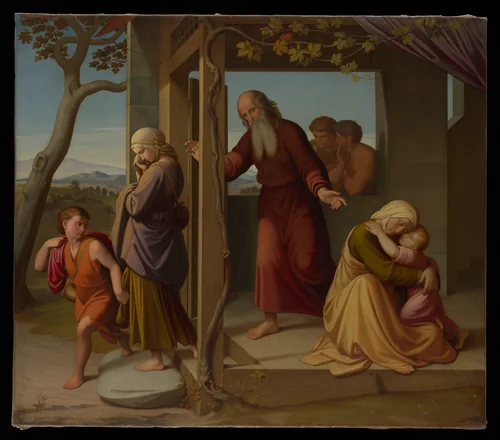
Johann Friedrich Overbeck holds a singular position in the history of German Romanticism as the pivotal founder of the Nazarene movement. A prolific artist active throughout the 1700-1850 period, Overbeck consciously rejected the academic traditions and perceived moral decay of late eighteenth-century painting, spearheading a spiritual and aesthetic revival rooted in early Italian Renaissance ideals. His artistic output, including seven drawings, seven prints, and a surviving painting, demonstrates a lifelong dedication to clarity, piety, and disciplined draftsmanship.
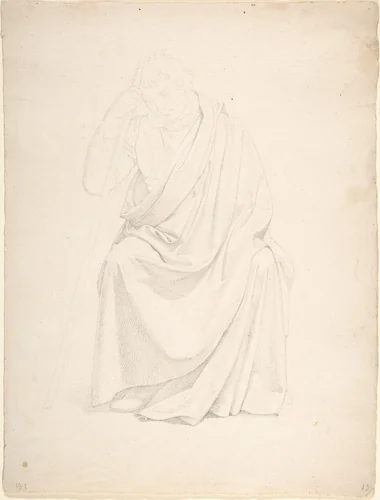
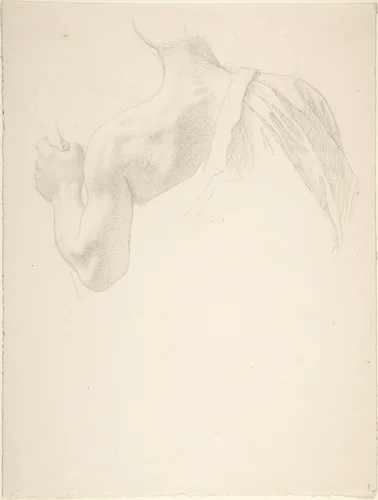
Overbeck led the formation of a fraternal society in Rome dedicated to resurrecting the pure sincerity and technical precision of masters like Perugino and the young Raphael. Named the Brotherhood of St. Luke, this collective soon became known as the Nazarenes—a term referring both to their biblical simplicity and their adoption of long, flowing hairstyles reminiscent of Christ. Their commitment demanded intense technical training, meticulously captured in preparatory sheets like A Drapery Study of a Seated Man and the striking physiological analysis of Left Arm and Shoulders of a Man Seen from the Back.
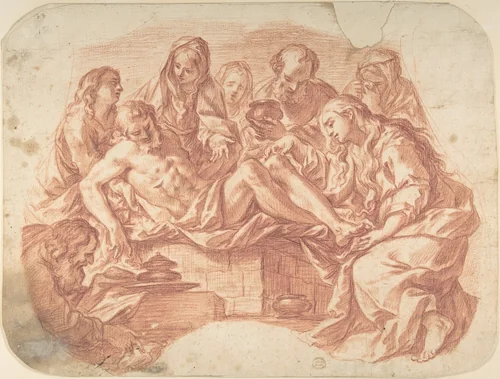
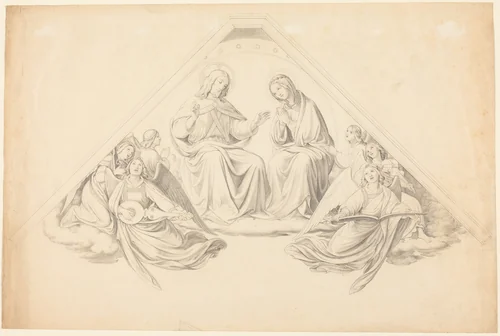
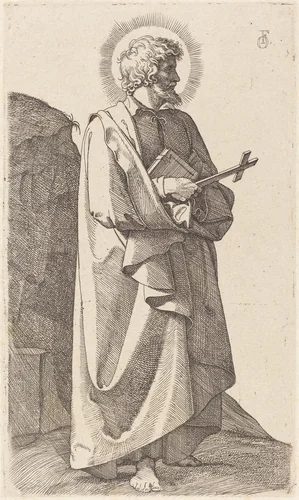
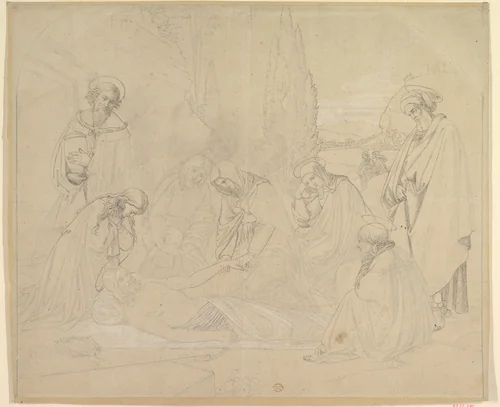
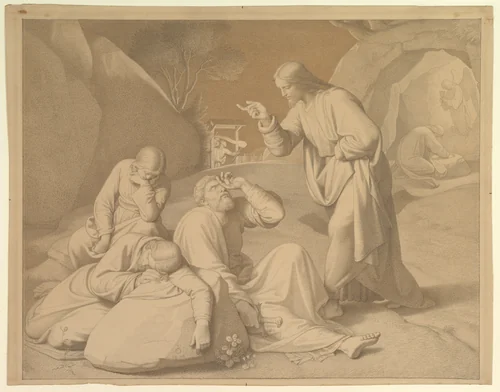
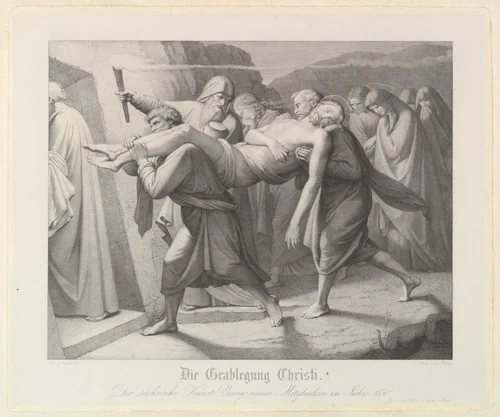
The substantial body of Johann Friedrich Overbeck prints and drawings documents his profound focus on the biblical narrative. Key religious compositions, such as The Entombment and the tender Christ and the Virgin with Music-Making Angels, illustrate his movement’s emphasis on spiritual depth over dramatic effect. While his devotional commitment occasionally bordered on the zealously ascetic, his methodical pursuit of purity redefined German historical painting for a generation.
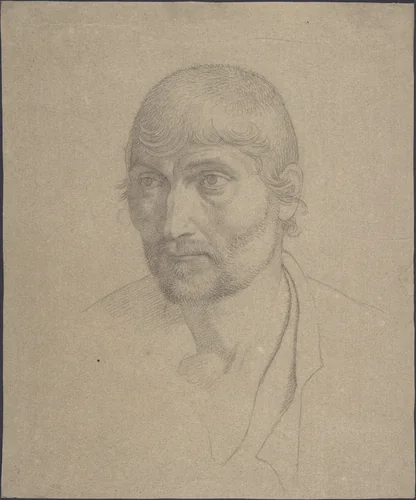
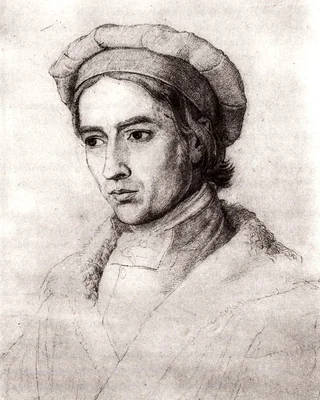
Today, his oeuvre is well represented in prominent collections, including the Metropolitan Museum of Art and the National Gallery of Art, confirming his lasting scholarly significance. The careful detail achieved in portraits like Head of a Bearded Man exemplifies the rigorous technique central to his philosophy. Given the age and importance of his foundational studies, many of his works have entered the public domain, making high-quality prints and downloadable artwork readily available for contemporary study and appreciation.
Source: Wikipedia · CC BY-SA 4.0