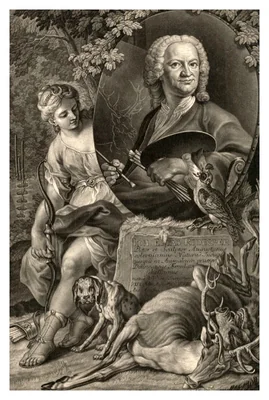
Johann Elias Ridinger
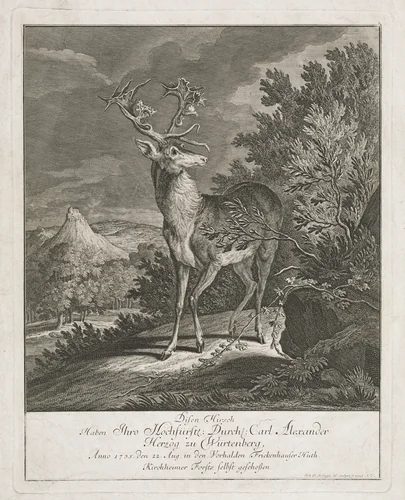
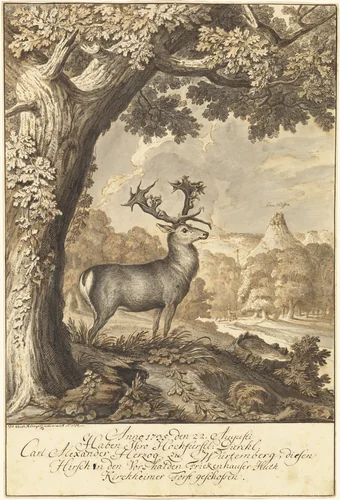
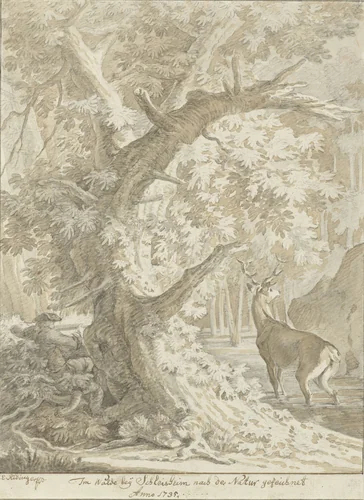
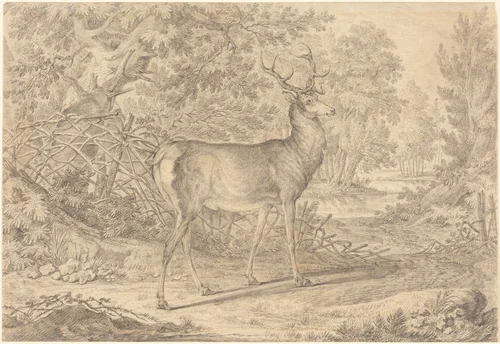
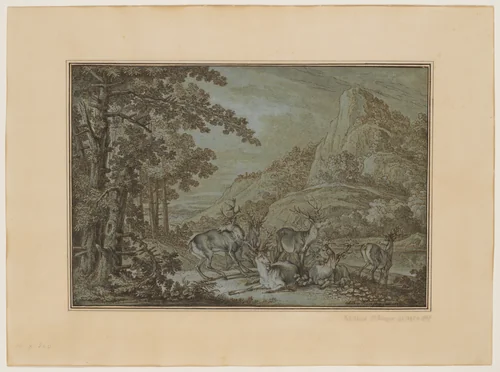
Johann Elias Ridinger (1698–1767) stands as the preeminent German engraver, draughtsman, and publisher specializing in animal and hunting subjects during the early eighteenth century. A remarkably prolific figure, Ridinger established his studio and publishing house in Augsburg, allowing him to maintain rigorous quality control over the complete artistic process, from preliminary drawing to final print distribution. His success stemmed from an intense and singular focus: the dynamic representation of the natural world, particularly horses, hounds, and the elaborate rituals of courtly venery.
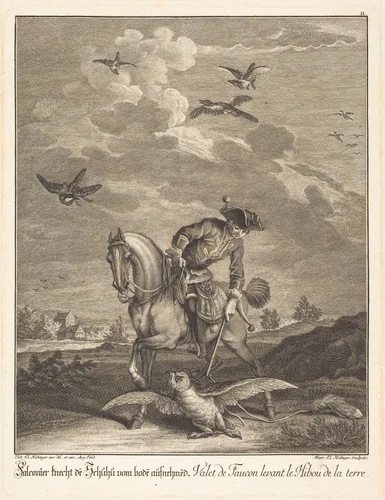
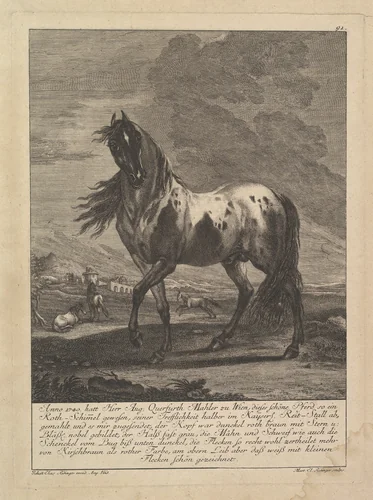
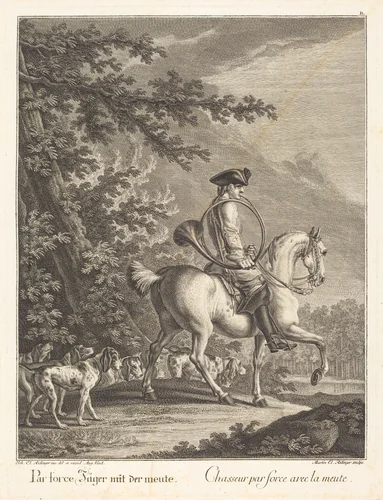
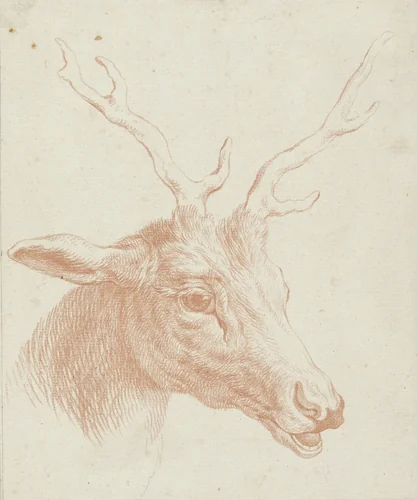
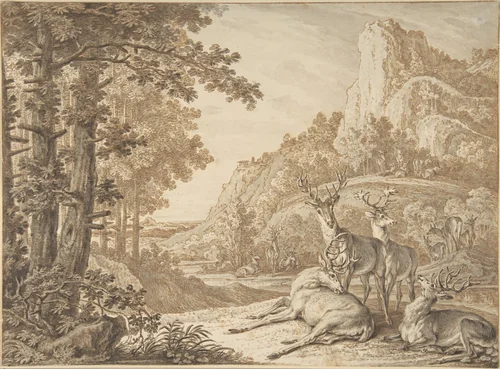
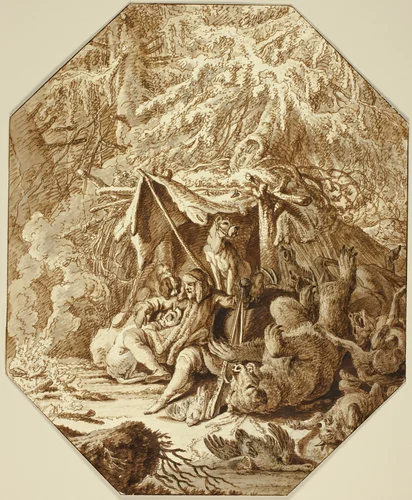
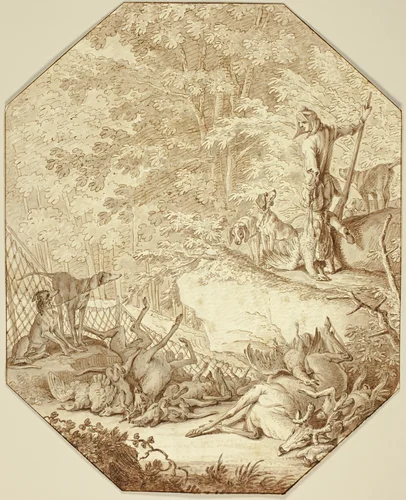
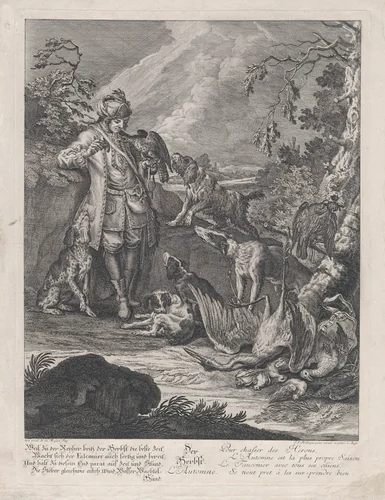
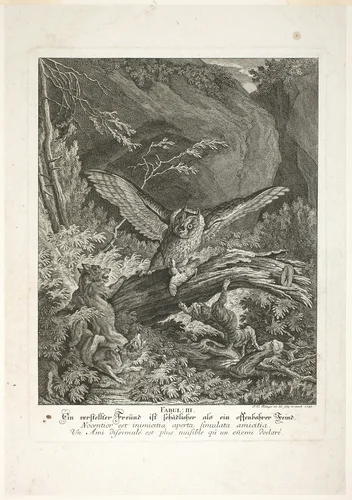
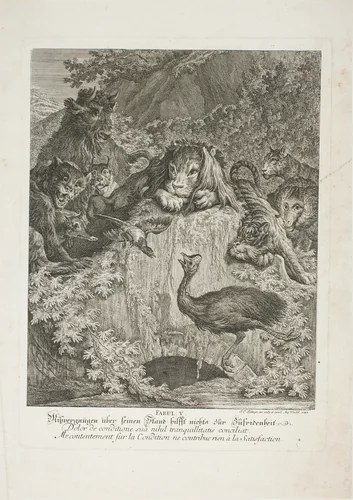
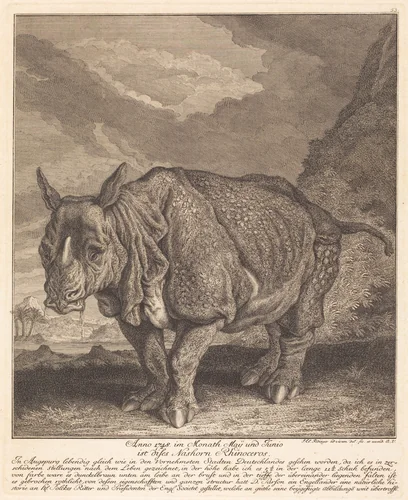
Ridinger was unique in his ability to combine meticulous zoological precision with dramatic, almost theatrical composition. His works are not simply diagrams; they capture the energy of the animal in motion, demonstrating an expert understanding of equine and canine anatomy rarely matched in graphic art of the period. Whether depicting the domestic intensity of a study like Horse, the careful management of predatory instinct in Falconeer Lifting an Owl from the Ground, or the chaos of the chase in Huntsman with a Pack of Hounds, Ridinger rendered his subjects with both documentary accuracy and a compelling sense of narrative drama. He rarely strayed from this specialization, a commitment that cemented his fame across European courts and established a lasting iconography for the hunt.
The widespread popularity of Ridinger’s imagery ensured his reputation extended far beyond the print collector's cabinet. His detailed compositions depicting hunting scenes and individual animals were frequently translated onto high-value decorative arts, notably appearing on Meissen porcelain. This commercial recognition confirms his status as a widely recognized and celebrated master of his age.
Today, his works are fundamental components of major collections worldwide, including the Art Institute of Chicago and the National Gallery of Art, where they are valued as museum-quality examples of 18th-century draftsmanship. His legacy is maintained through his extensive output; the striking Johann Elias Ridinger prints, originally disseminated via his own publishing house, have ensured that his specialized artistic vision remains influential, offering an unparalleled record of early modern natural history and aristocratic pursuit.
Source: Wikipedia · CC BY-SA 4.0