Johann Eleazar Schenau
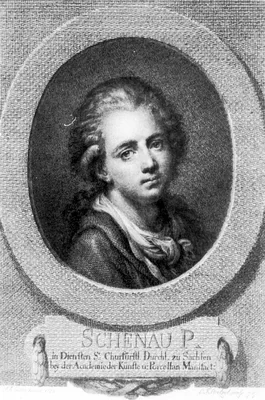
Johann Eleazar Schenau, born Johann Eleazar Zeissig (1712-1771), was a highly versatile German artist whose prolific career defined the mid-eighteenth century transition between the expressive delicacy of the Rococo and the burgeoning tastes for classical genre painting. Schenau’s significance is rooted not only in his substantial output as a painter and engraver but also in his critical administrative role as director of the prestigious Royal Academy of Arts in Dresden.
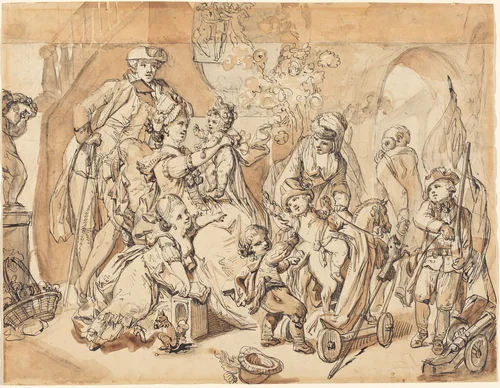
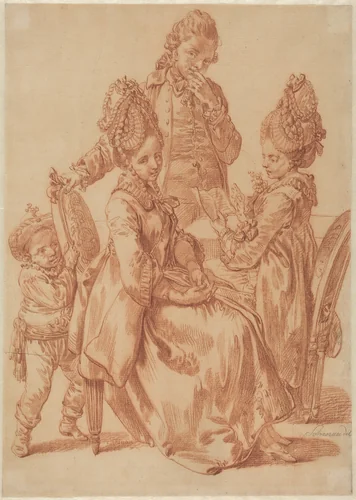
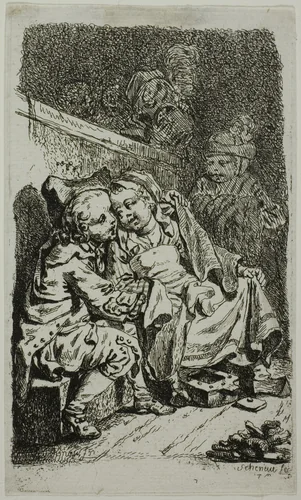
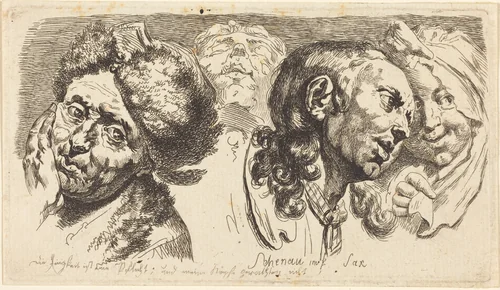
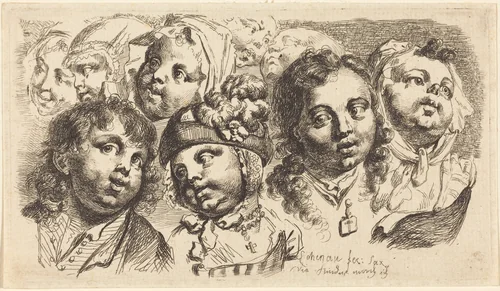
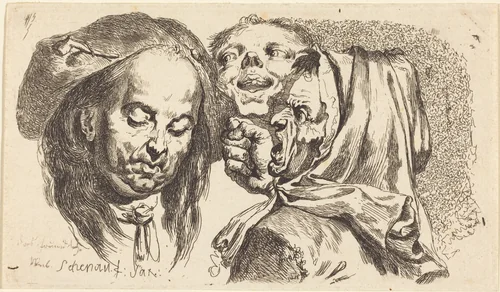
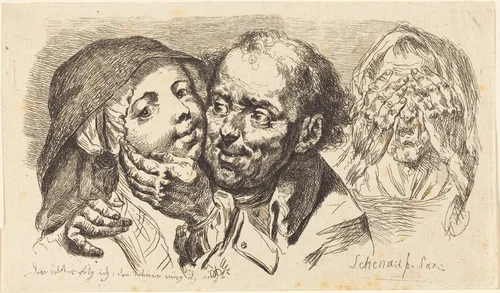
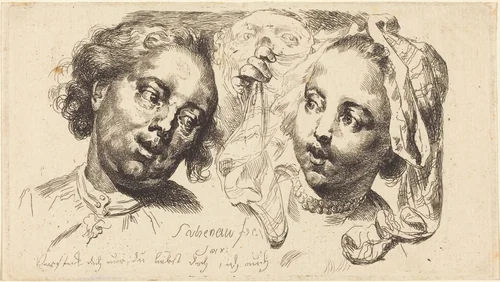
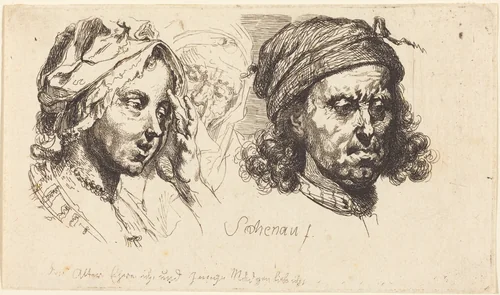
Schenau was a master of three demanding disciplines: portraiture, genre painting, and the highly specialized art of porcelain decoration. He is perhaps best recognized for his intimate domestic studies, where he captured human interaction with sympathetic observation. Works such as The Letter and The Happy Family with Children Playing exemplify his focus on relatable human experiences. His commitment to documenting the natural posture and expression of his subjects is evident in preparatory studies like Four Heads and Nine Children's Heads, which reveal a keen draftsmanship underlying the casual elegance of his finished compositions.
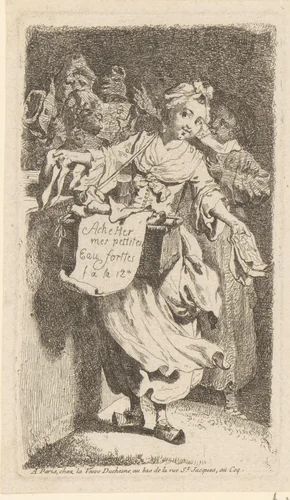
His simultaneous practice as an engraver ensured the broad distribution and influence of the Johann Eleazar Schenau prints and compositions across Europe. Today, his extensive portfolio of work, which includes both drawings and prints, is preserved in major international repositories, including the Rijksmuseum, the Art Institute of Chicago, and the National Gallery of Art. A subtle yet powerful indicator of his exacting technical skill was his early success as a porcelain painter—a trade requiring a mastery of chemistry and delicate kiln firing techniques, suggesting a painstaking precision often concealed by the apparent effortlessness of his finished canvases.
Schenau’s tenure as director of the Dresden Academy solidified his central position in German fine art, allowing him to shape the standards and training for the next generation of artists. His ability to merge meticulous detail with emotional clarity ensures his enduring status as a key figure in eighteenth-century German visual culture. Because much of his historical output is held by institutions and has passed into the public domain, the study of his career remains readily accessible, allowing researchers to find high-quality prints and downloadable artwork that confirm his importance in the history of art.
Source: Wikipedia · CC BY-SA 4.0