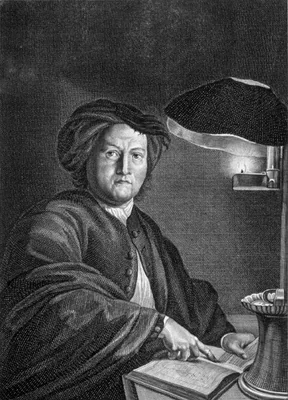
Johann Daniel Preissler
Johann Daniel Preissler (1666–1737) was a pivotal figure in the development of 18th-century German art instruction. Known primarily as a painter, his enduring significance rests equally on his lengthy tenure as the Director of the Nuremberg Academy of Fine Arts. This dual administrative and creative role placed him at the heart of artistic education in southern Germany, influencing generations of draughtsmen and painters operating during the transition from the late Baroque period into early Rococo sensibilities.
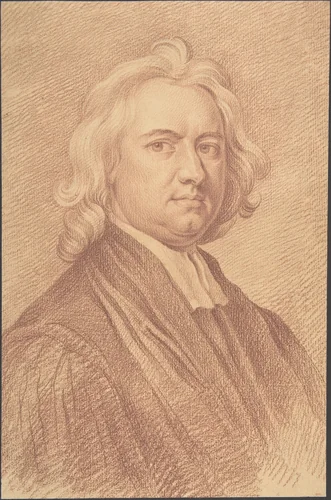
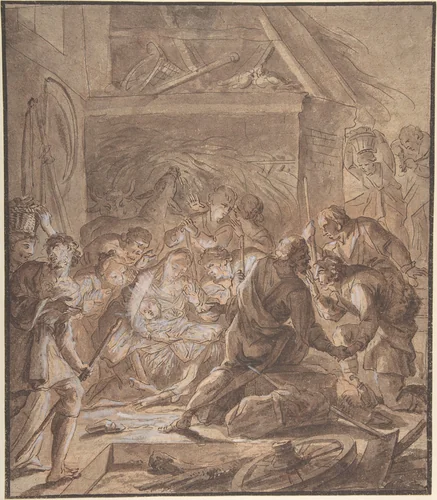
Preissler’s surviving oeuvre, though compact, demonstrates the versatile technical command necessary for a working academic master. His works include intimate portrait drawings, such as the suggestive Portrait of a Clergyman or a Jurist (?), alongside essential functional designs intended for publication. His technical expertise in handling the human form is evident in both painting and etching, seen powerfully in the drawing for the Adoration of the Shepards.
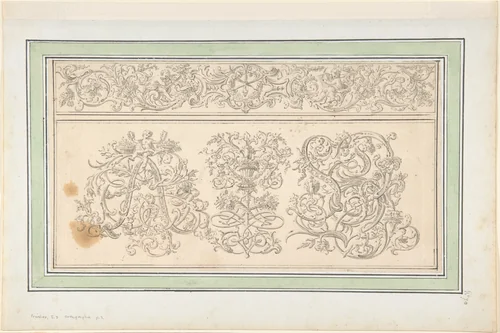
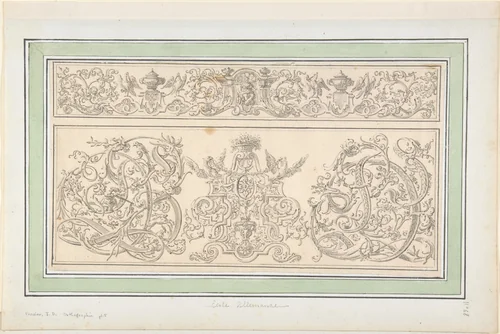
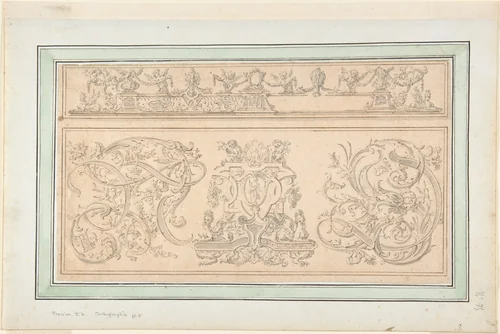
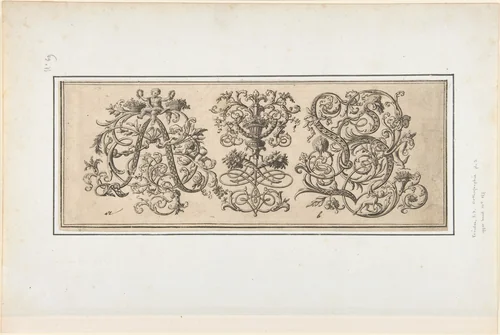
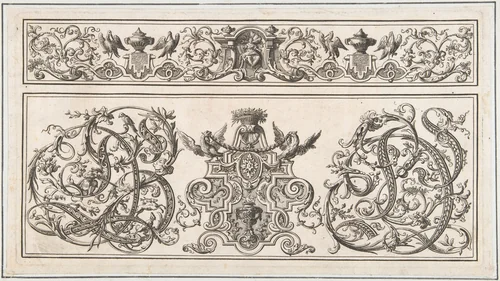
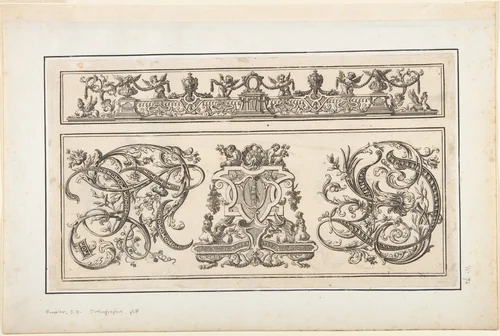
However, a substantial portion of his extant work involves highly technical plates, indicating his commitment to rigorous, practical instruction. His line work is meticulous in designs for Orthographia, a series of prints likely intended as instructional models for students or practical application in ornamentation. These prints reveal an artist equally comfortable with the demands of narrative painting and precise schematic drafting. It is perhaps telling that an artist charged with maintaining the high standard of academic painting also focused his energies on producing clear, systematic instructional manuals—a pragmatic commitment to widely accessible design principles decades ahead of its time.
Preissler’s artistic contributions, including both original Johann Daniel Preissler paintings and high-quality prints, are preserved in major global institutions, notably the Metropolitan Museum of Art. His administrative and creative peak cemented his status as a key academic painter in Nuremberg until his death in 1737. Today, his historical designs and works have entered the public domain, offering downloadable artwork for study and appreciation, reinforcing his legacy not just as a successful painter, but as an essential educator whose systematic approach shaped the future of German design.
Source: Wikipedia · CC BY-SA 4.0