Johan Wierix
The Wierix family, identified in historical records sometimes as Wiericx, presided over one of the most influential printmaking enterprises in the Low Countries during the late 16th and early 17th centuries. Based in the crucial artistic centers of Antwerp and Brussels, the Wierix siblings distinguished themselves not only as prolific printmakers but also as highly accomplished draughtsmen, successfully bridging the stylistic concerns of Northern Renaissance intricacy with the nascent drama of the Baroque.
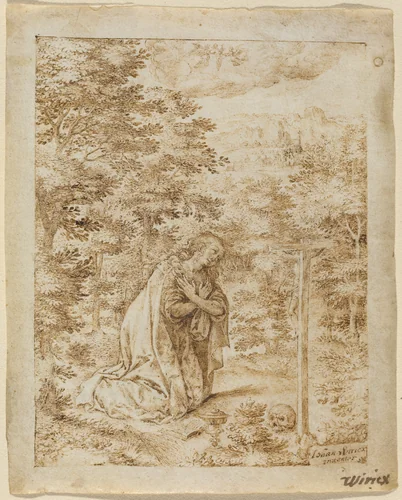
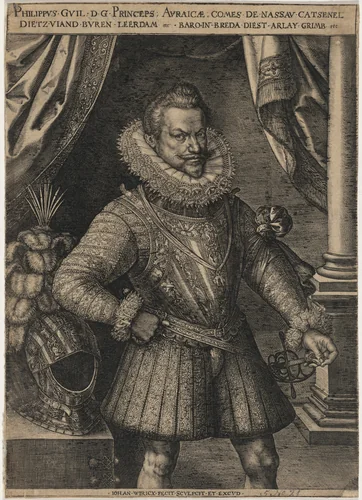
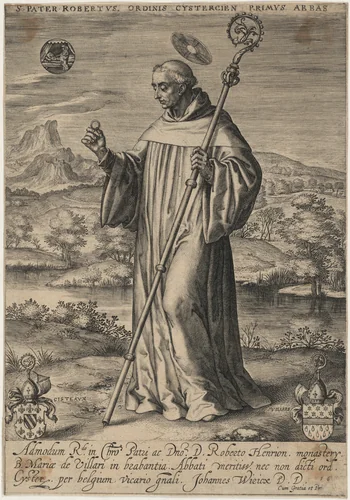
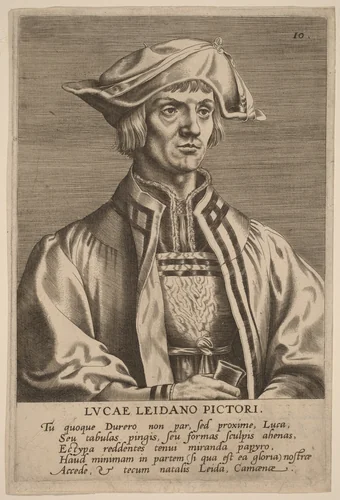
While the family’s commercial heyday spanned decades, the active output attributed directly to Johan Wierix is tightly focused, consisting of ten extant prints and a singular drawing. His technical mastery lay in the precise execution of small-scale copperplate engravings, a format highly valued for disseminating both sophisticated religious imagery and authoritative political portraiture. Johan Wierix prints are particularly noted for their rigorous detail and ability to convey the status of his sitters, effectively translating courtly power into reproducible two-dimensional media.
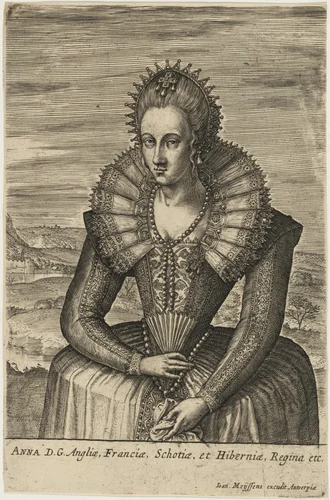
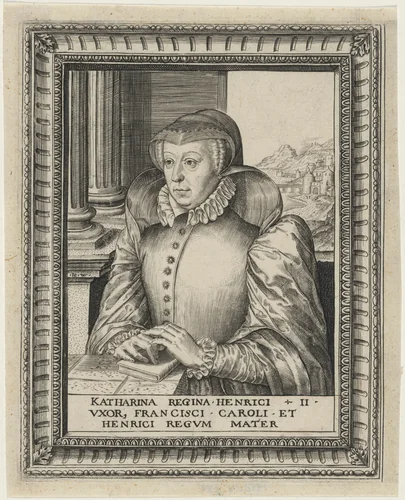
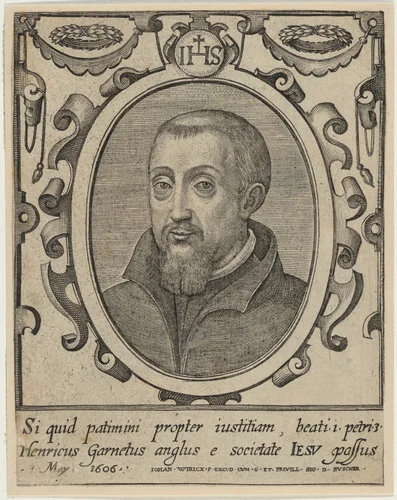
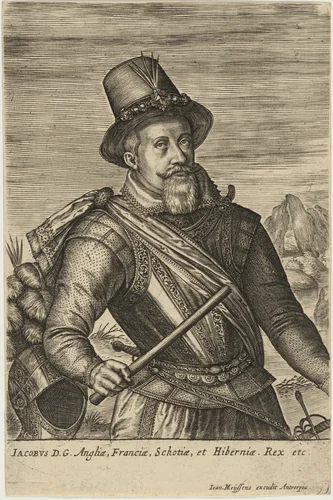
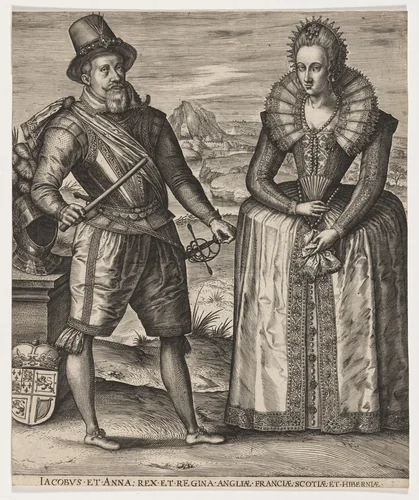
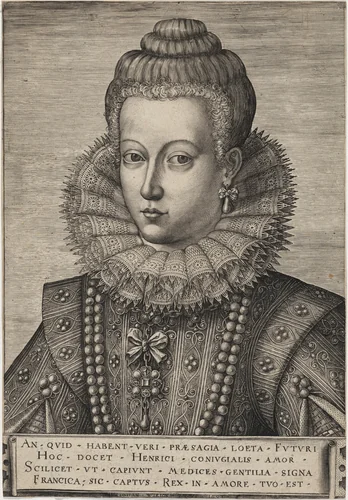
His catalogue of works reflects the turbulent political and religious landscape of the era. Among his recorded subjects are major European figures, including Anne of Denmark, James I (of England and Scotland), and the powerful French regent Catherine de Medici, Wife of Henry II of France. The consistent museum-quality of these portraits, which often required intricate rendering of lace, armor, and heraldic symbols, speaks to the high level of craftsmanship demanded by aristocratic patrons. It is perhaps a testament to the workshop’s non-partisan commercial focus that his output included portraits of controversial figures such as the English Jesuit Henry Garnett alongside reigning monarchs, securing his relevance across various political divides.
The works of Johan Wierix, represented in distinguished collections like the National Gallery of Art, offer valuable insight into the commercialization of portraiture in the transitional period of European art. Today, much of this historical imagery, including many of the original high-quality prints, has entered the public domain, making the intricate detail of this 16th-century master available as downloadable artwork for scholarly examination worldwide.