Johan Teyler
Johannes, or Johan, Teyler stands as a fascinating and technically significant figure within the late seventeenth-century Dutch art world. Active primarily around 1679, Teyler’s legacy is defined by a unique combination of artistic skill and academic rigor: he worked simultaneously as a painter, engraver, and, perhaps surprisingly, a mathematics teacher. This highly analytical perspective likely fueled his primary historical achievement, the comprehensive promotion and refinement of the color printmaking technique known as à la poupée.
The à la poupée method, which translates literally to "with the doll," utilized small wads of cloth to ink distinct colors directly onto a single copper plate prior to printing. This innovation allowed for complex color variations and sophisticated tonal shifts in a single press run, dramatically increasing the efficiency and quality of high-quality prints at a time when color reproduction was laborious. Teyler's focus on this method underscores his dedication to process optimization, a characteristic rarely seen among contemporary painters but perfectly aligned with the mindset of an academic mathematician.
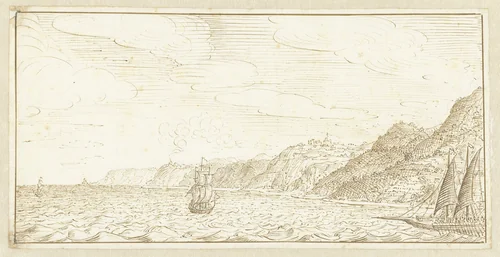
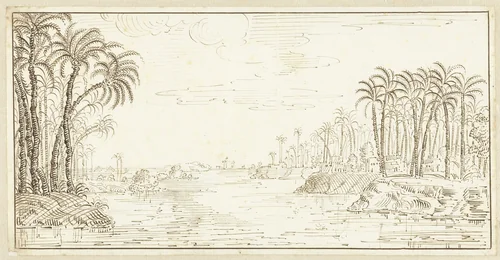
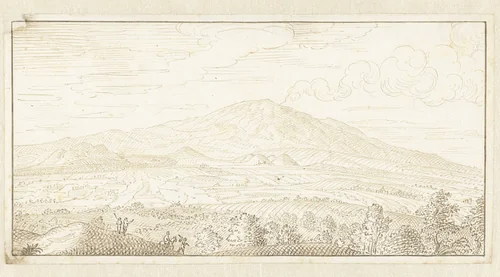
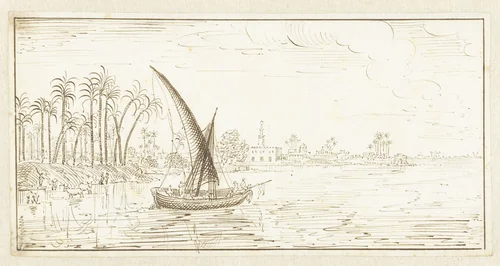
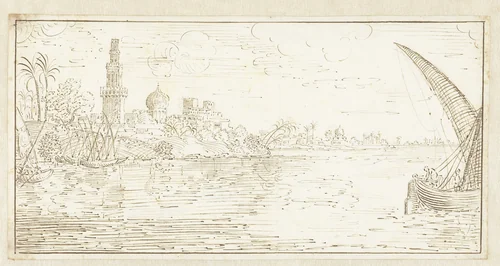
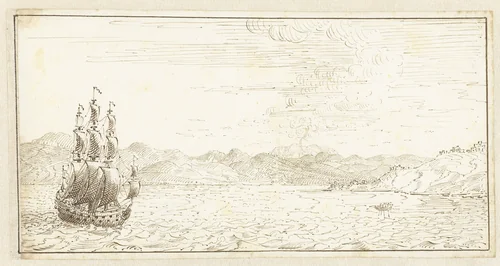
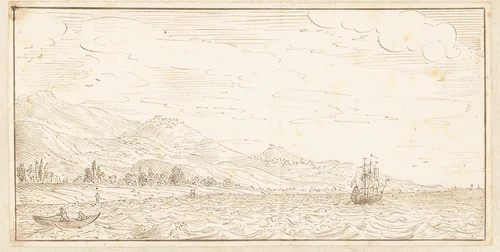
While he was described as a painter, Teyler is best known today through his graphic output and related drawings, seven of which are firmly held in the collection of the Rijksmuseum. These surviving drawings reveal an acute ability for draftsmanship and an interest in topographical specificity, detailing scenes from distant lands, reflecting the era’s burgeoning global awareness. Examples include the dramatic Gezicht op de vulkaan Etna and the tranquil Rivierlandschap met een boot op de Nijl, which documents locations far removed from the Netherlands.
Though original Johan Teyler paintings are rare, his innovative graphic work guaranteed the circulation of his aesthetic influence. Today, the systematic approach Teyler brought to the medium ensures that many images derived from his work are in the public domain, providing valuable insight into late Golden Age print technology. The study of these images and related Johan Teyler prints continues to illuminate the crucial intersection of artistic practice and technical innovation in the seventeenth century.
Source: Wikipedia · CC BY-SA 4.0