Jodocus Hondius
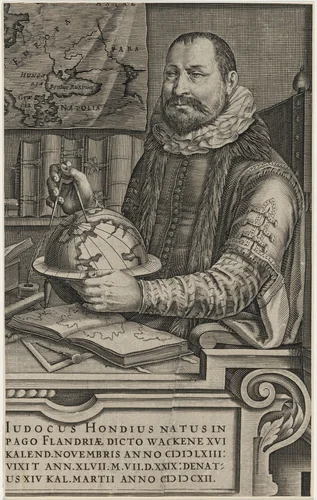
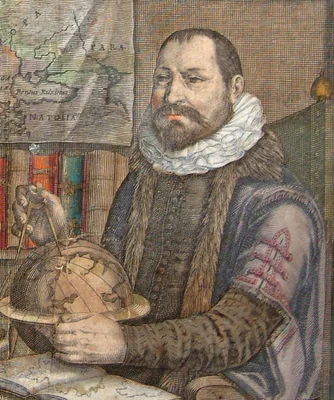
Jodocus Hondius (1563-1611), a key figure in the Golden Age of Dutch cartography, was a Flemish and Dutch engraver whose technical mastery significantly influenced the geographic and political imagination of 17th-century Europe. Often referred to as Hondius the Elder, his career was defined by an astute blend of artistic skill in printmaking and exceptional commercial vision. He is uniquely credited both with producing foundational maps of the New World and Europe and, crucially, with resurrecting the reputation of a predecessor whose legacy had begun to wane.
Hondius’s most consequential maneuver was the acquisition and republication of the original copperplates created by Gerard Mercator. While Mercator was revered, his works suffered from a lack of contemporary updates and consistent circulation. Hondius, by re-engraving, revising, and supplementing Mercator’s comprehensive Atlas in 1606, did not merely pay homage; he successfully relaunched a monumental brand. This strategic intervention ensured Mercator's continued historical relevance while establishing the Hondius dynasty as the preeminent force in the cartographic market for decades, a testament to his shrewd understanding of both art and commerce.
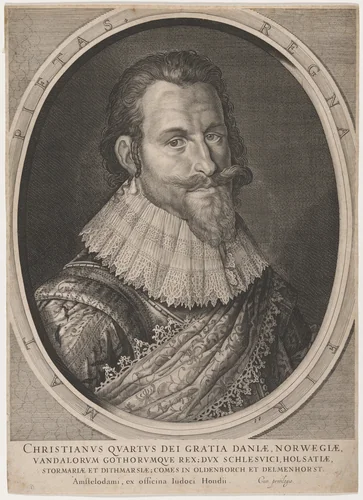
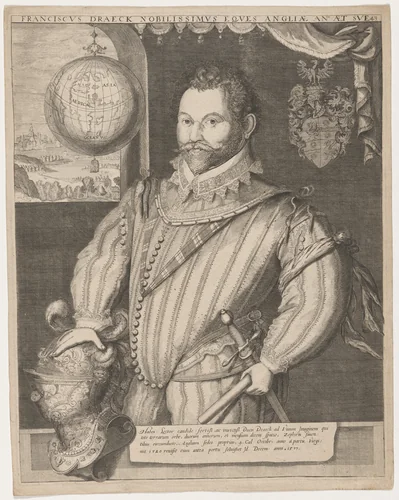
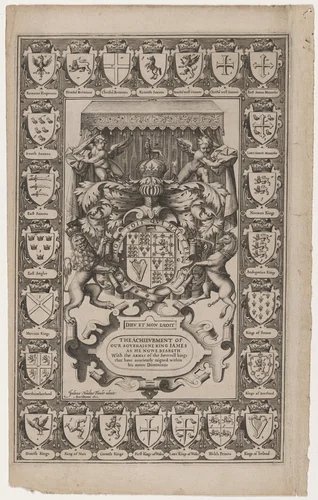
Beyond maps, Hondius was an accomplished portrait engraver, specializing in figures of political and military significance, ensuring that his high-quality prints served as crucial political propaganda. His celebrated works include the potent portrait of the circumnavigator Sir Francis Drake and royal commissions such as Christian IV of Denmark. His skill in decorative lettering and intricate scene-setting is exemplified by the grand Title Page for the Achievement of our Soveraigne King James.
By synthesizing technical excellence with the mass production capabilities afforded by the press, Hondius was instrumental in defining the era. His activities helped cement Amsterdam as the undisputed center of cartography, succeeding earlier hubs like Antwerp. The enduring quality and historical importance of his output, preserved in collections such as the Rijksmuseum and the National Gallery of Art, means that much of his work, including numerous downloadable artwork files derived from his original plates, now resides within the public domain, offering vital historical insight into the world he helped map and define.
Source: Wikipedia · CC BY-SA 4.0