Joannes Fijt
Joannes Fijt, variously recorded as Jan Fijt or Johannes Fijt, stands as one of the most distinguished Flemish Baroque painters, draughtsmen, and etchers specializing in still life and animal depictions during the 17th century. Active primarily in Antwerp, his extensive and refined output cemented him as the preeminent animalier of his generation, reshaping the genre with an unprecedented emphasis on dynamic composition and material luxury.
Fijt mastered the conventional repertoire of the still life, creating beautiful flower and fruit arrangements, yet his defining achievements lie in his magnificent hunting pieces and detailed studies of fauna. He was a crucial innovator, moving beyond simple genre depiction to fuse complex subgenres. His signature works often feature lush, active compositions combining game, flowers, and fish, frequently displayed beneath elegant festoons. This unique fusion provided a visual spectacle designed not only to record nature but to convey opulence and remarkable painterly virtuosity. His meticulous handling of texture, particularly in rendering the varied surfaces of fur, feathers, and scales, consistently elevated the animal subject from simple illustration into high art.
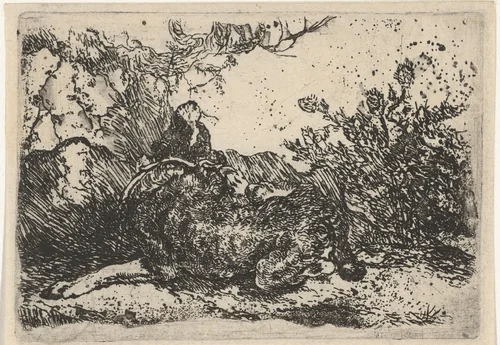
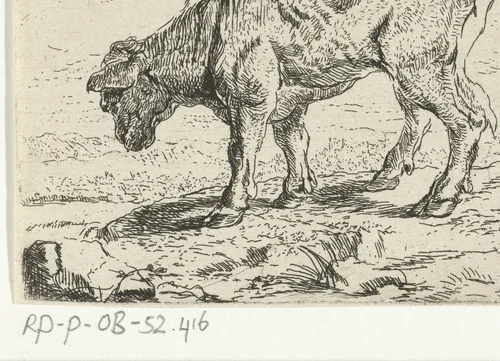
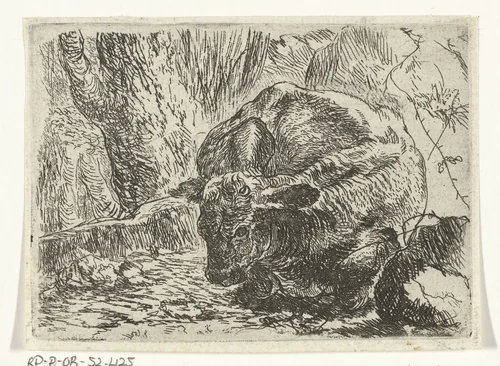
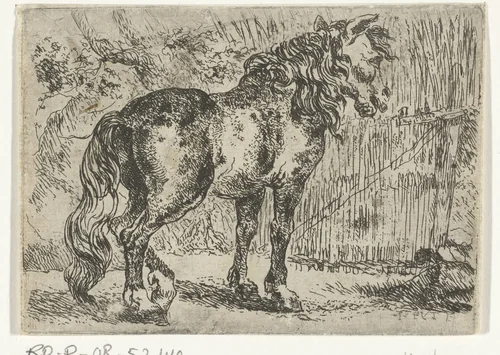
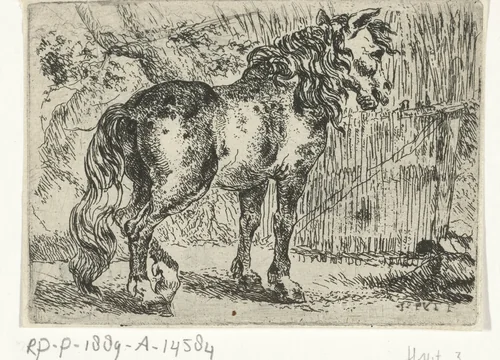
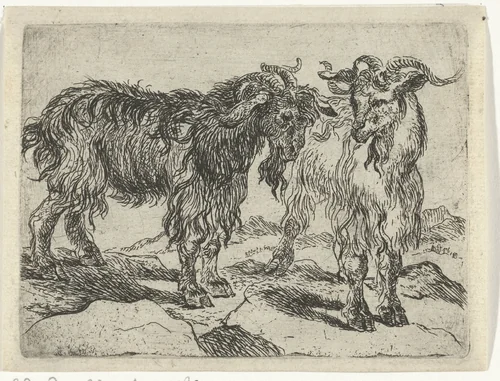
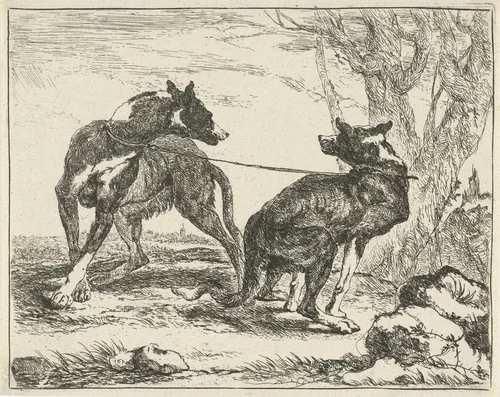
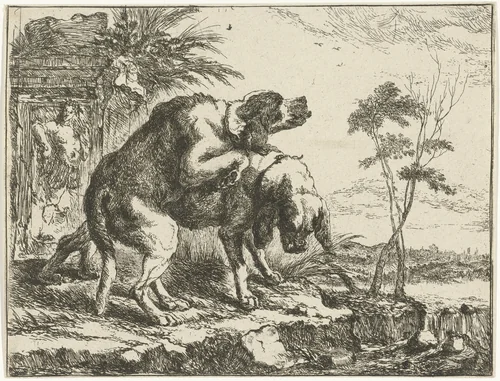
The impact of Fijt’s sophisticated methodology was considerable within the Antwerp school. He maintained a highly active and influential studio, contributing significantly to the subsequent generation of Flemish realism. He is widely credited as having been the master of Pieter Boel, whose own influential career reflects a deep stylistic indebtedness to Fijt’s precise handling of brushwork and intricate compositions. The enduring power of these detailed compositions, exemplified by his prints such as Koe (Cow) and Paard (Horse), ensures his lasting historical legacy.
Fijt's sophisticated integration of flora and fauna, making the animal subject central rather than incidental, suggests an almost encyclopedic fascination with the natural world, albeit filtered through the spectacular lens of Baroque extravagance. Today, his output is housed in major international institutions, including the Rijksmuseum. These Joannes Fijt prints and preparatory drawings are considered vital documents of 17th-century European artistic production, often available as high-quality prints for researchers through the public domain collections maintained by leading museums worldwide.
Source: Wikipedia · CC BY-SA 4.0