Joachim Wtewael
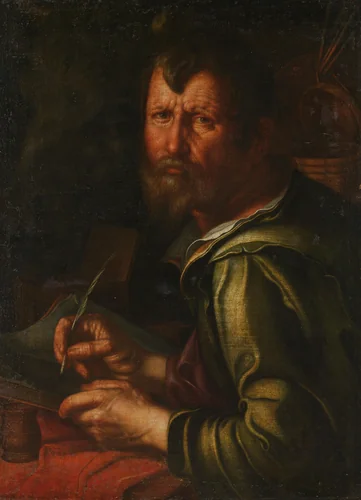
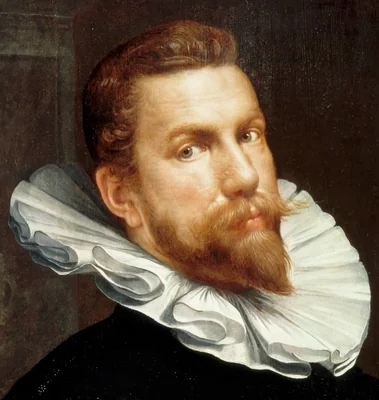
Joachim Anthoniszoon Wtewael (c. 1566-1638), sometimes referred to as Uytewael, was a pivotal figure in the Northern Mannerism movement whose career uniquely bridged the late 16th century and the nascent period of Dutch Golden Age painting. Distinguished not only as a master painter and draughtsman, Wtewael maintained a highly successful parallel existence as a thriving flax merchant and influential town councillor in his native Utrecht. This dual mastery of commerce and art provides a subtle but important observation: Wtewael was an individual who commanded attention and efficiency in every endeavor.
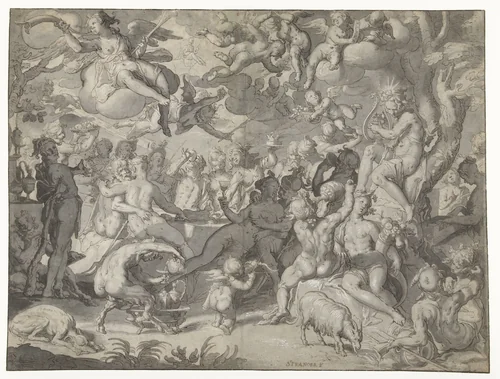
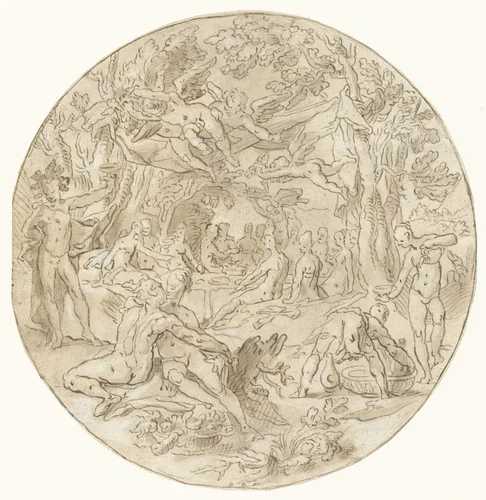
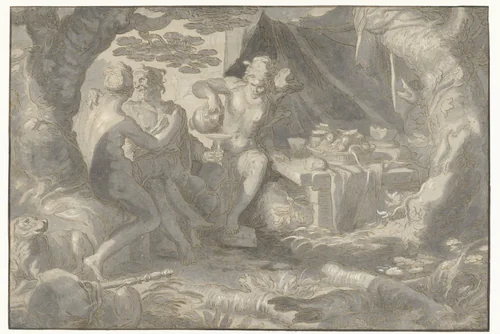
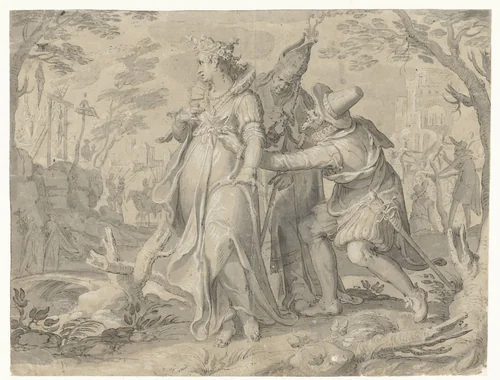
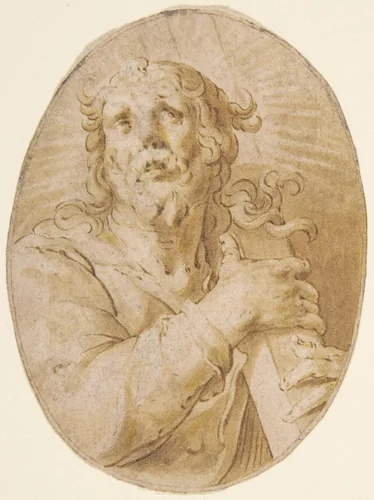
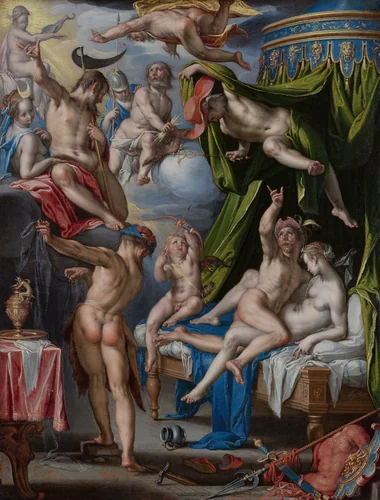
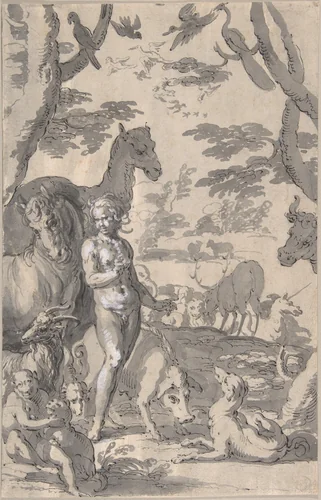
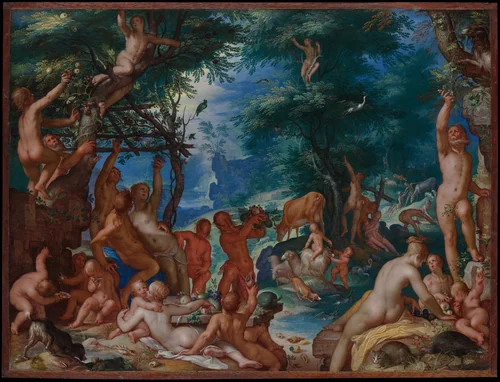
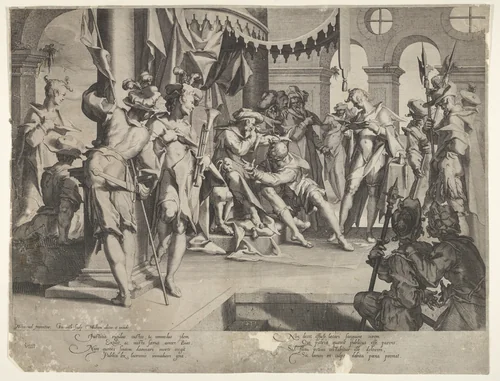
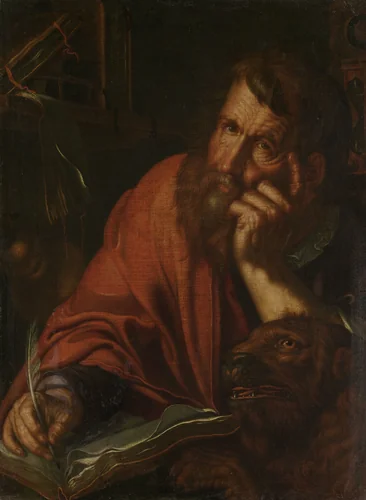
Trained in the tradition of Haarlem Mannerism, Wtewael remained fundamentally faithful to this elaborate aesthetic throughout his active period, resisting the powerful currents of naturalism that developed rapidly around him. This stylistic singularity is perhaps his defining characteristic. His distinctive style relies on precision drawing, rendering figures that are highly polished, elongated, and often positioned in complex, capricious poses that prioritize decorative form over immediate realism. His commitment to this elegant, artificial mode is evident in mythological showpieces like Godenmaaltijd and Bruiloft van Peleus en Thetis, as well as complex narrative scenes such as Lot en zijn dochters.
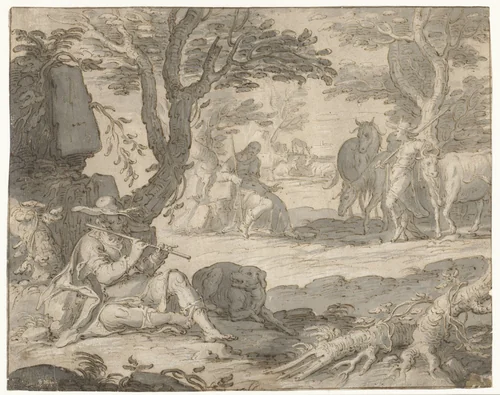
Wtewael’s preference for sophisticated subject matter, frequently drawn from Ovid, allowed him to display his virtuosic command of color and composition. While other artists embraced the immediate reality of Dutch life, Wtewael continued to celebrate the intellectual and visual gymnastics of Mannerism, positioning him as a leading exponent well into the 1610s. Works like Apollo speelt de fluit terwijl hij de kudde van Admetus hoedt demonstrate his ability to apply the refined Haarlem sensibility to pastoral myths. His artistic legacy is securely housed in prestigious collections globally, including the Mauritshuis, the Rijksmuseum, and the Metropolitan Museum of Art. Fortunately, many of these influential Joachim Wtewael paintings are available in the public domain, making his unique contribution accessible for study and appreciation worldwide.
Source: Wikipedia · CC BY-SA 4.0