Joachim Franz Beich
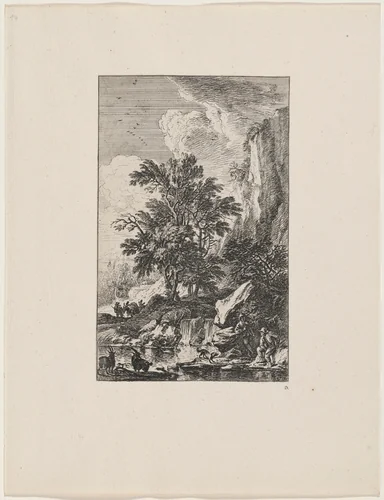
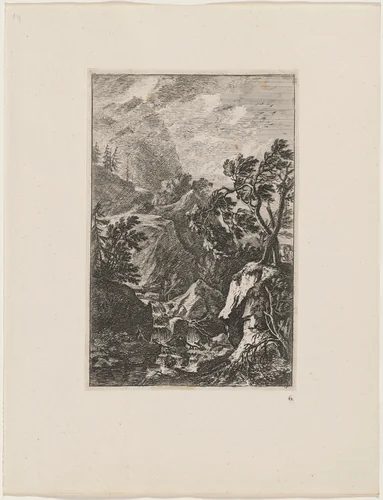
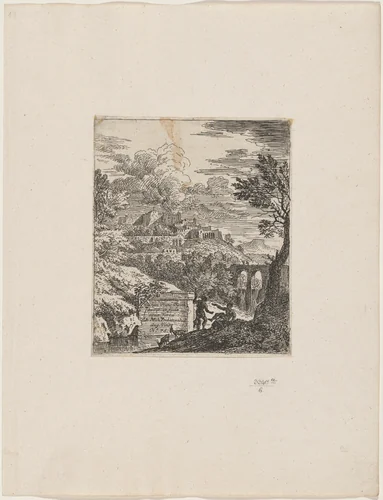
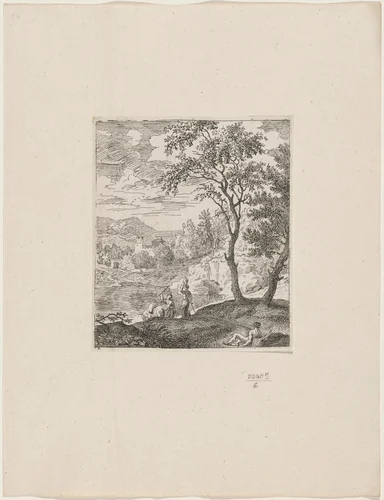
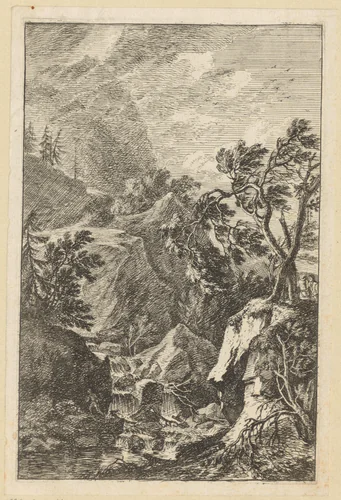
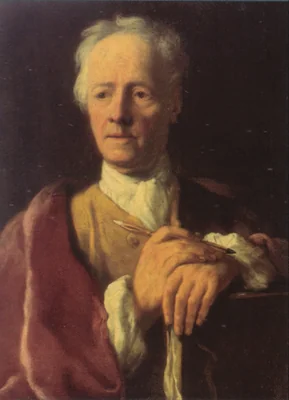
Joachim Franz Beich (1666–1748) was a distinguished Bavarian painter whose significant contribution to the visual arts is perhaps most clearly articulated through his extensive graphic output. Though his professional career spanned the late Baroque era, his period of concentrated activity in printmaking appears focused around 1700-1704. He is credited with the creation of at least twelve individual prints and two distinct portfolios, alongside surviving original studies, such as the drawing A Woman with a Horse and a Standing Man.
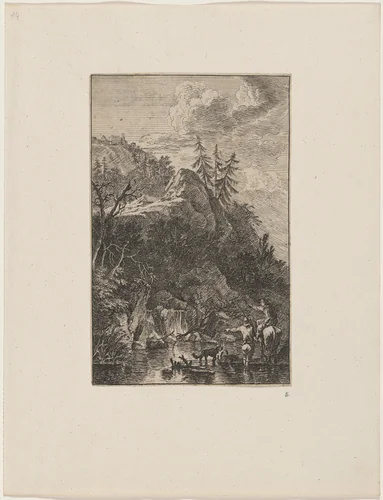
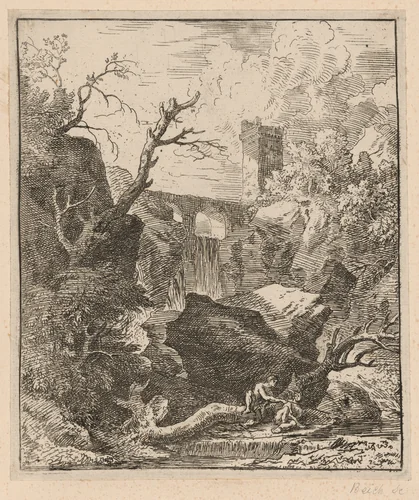
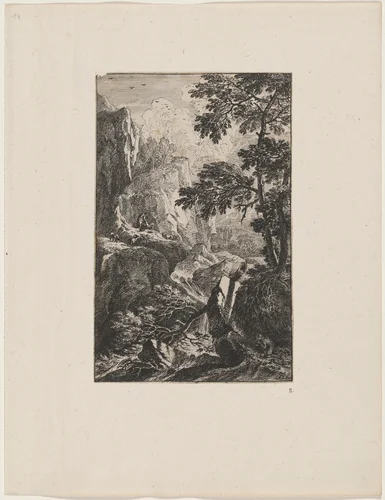
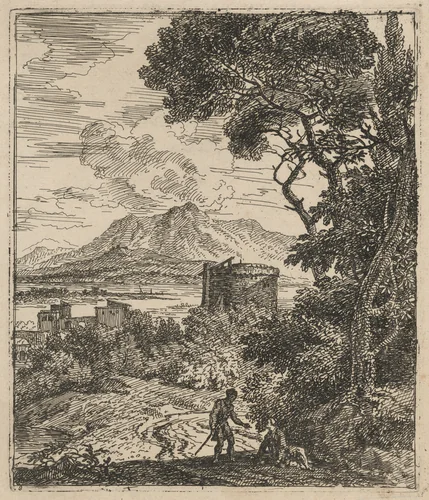
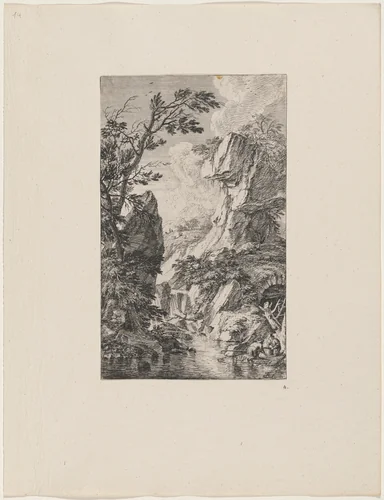
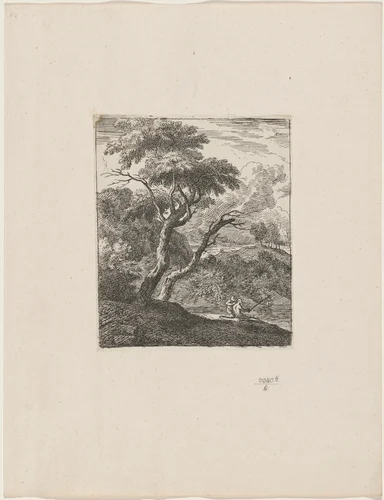
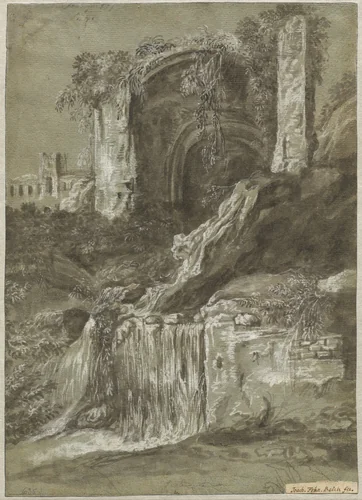
Beich excelled in the genre of idealized landscape, yet critically, he defined his print practice through a sophisticated and intellectual dialogue with established Italian Baroque masters. He rarely worked purely from imagination; instead, he skillfully interpreted styles, an approach indicative of the era’s appetite for artistic synthesis and historical reverence. This synthesis is most evident in his masterful portfolios, structured as academic exercises in composition. The serene, classical compositional balance demanded by his series titled Landscapes in the Manner of Poussin contrasts sharply with the dramatic, often rugged energy explored in the collection Landscapes in the Manner of Salvator Rosa. By framing his works explicitly against these titans of the Italian tradition, Beich demonstrated a profound engagement with art history, offering contemporary patrons the opportunity to acquire high-quality prints that distilled the essence of varied aesthetic approaches.
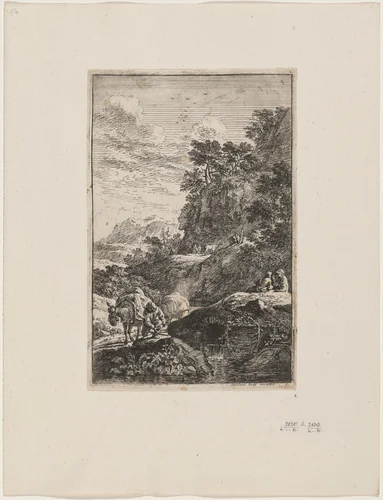
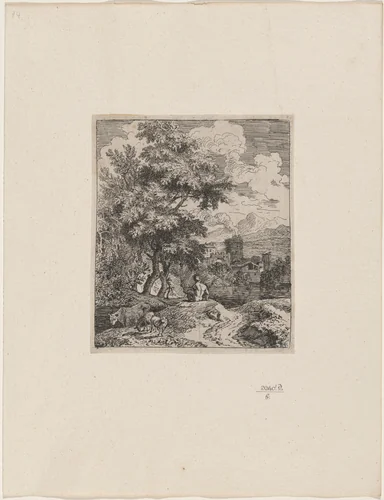
His aptitude extended beyond classical imitation to include finely observed genre scenes. Works such as Drover with Two Mules and Shepherd with Cow and Two Sheep demonstrate his ability to integrate figures realistically into pastoral settings, grounding the academic pursuit of idealized landscape with observed rural life. It is perhaps a subtle paradox that Beich, a successful court painter, dedicated crucial years of his life crafting images that served primarily as elegant adaptations and efficient editors of earlier grandeur.
Today, Beich’s surviving works, recognized for their sustained museum-quality status, are held in major institutions, including the National Gallery of Art. The accessibility of these Joachim Franz Beich prints, now often available as downloadable artwork in the public domain, ensures that his distinct contribution to the tradition of German landscape interpretation remains accessible to scholars and enthusiasts globally.
Source: Wikipedia · CC BY-SA 4.0