Jim Goldberg
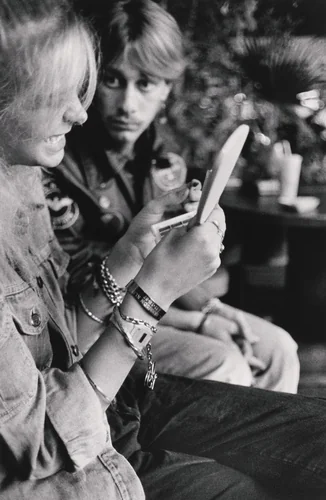
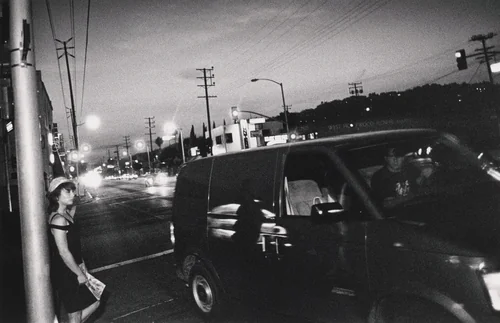
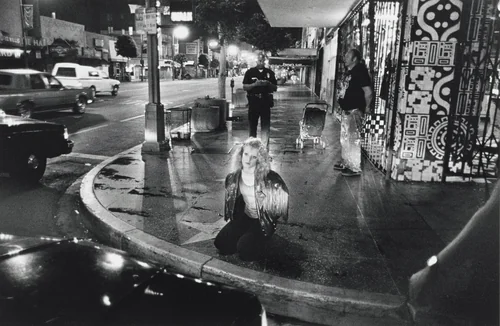
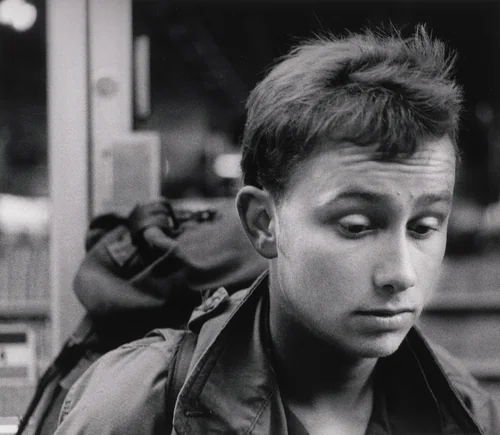
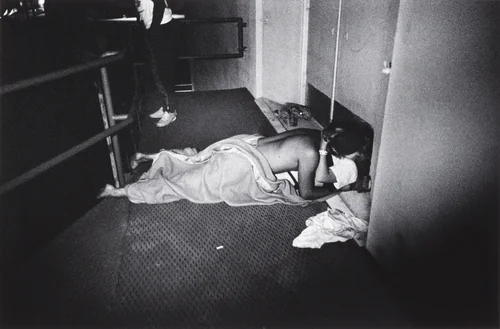
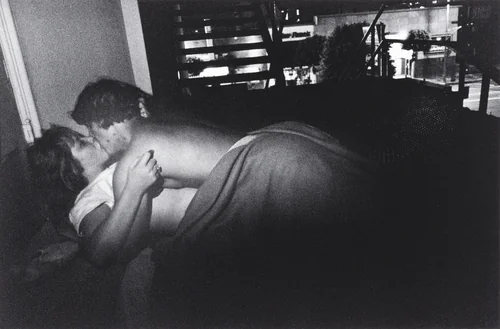
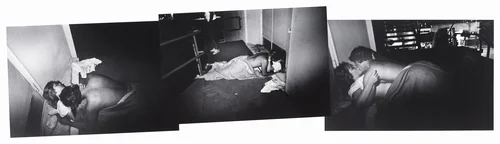
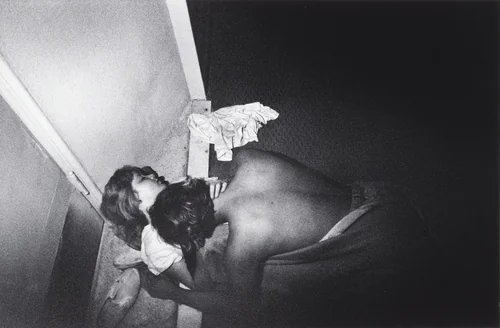
Jim Goldberg is an influential American artist and photographer recognized for fundamentally redefining social documentary work. Active in a prolific and innovative phase between 1978 and 1986, his practice established a pioneering methodology based on sustained, in-depth engagement rather than fleeting observation. Goldberg focused his lens on populations neglected, ignored, or situated outside the conventional economic or social mainstream, fostering collaborations that challenged traditional photographic ethics.
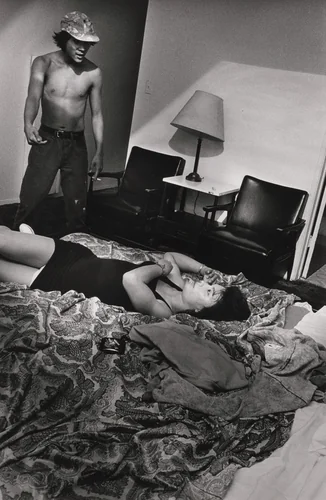
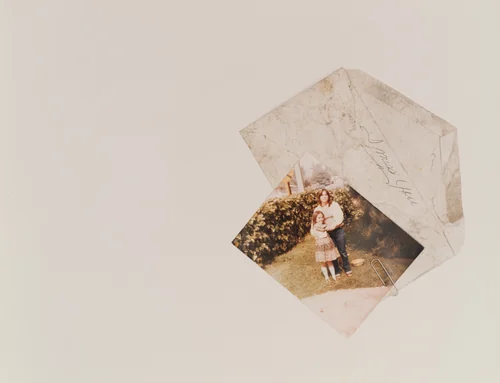
His methodology departed from standard documentary realism by integrating his subjects’ voices and narratives directly into the finished works. Rather than solely presenting the photographer's interpretation, Goldberg often juxtaposed traditional gelatin silver prints with handwritten annotations, personal statements, or descriptive captions provided by the individuals depicted. This innovation created a powerful, layered visual dialogue that shifted the authorship balance, elevating the subject from object of study to active co-creator. This technique lends his images a surprising intimacy and immediate connection; his success lies in making the viewer feel less like a distant gallery visitor and more like an eavesdropper at a kitchen table.
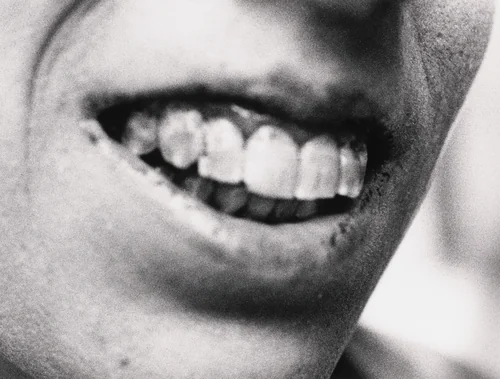
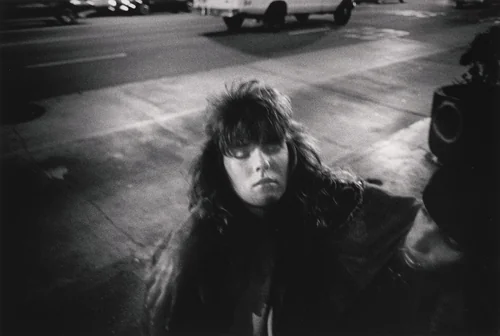
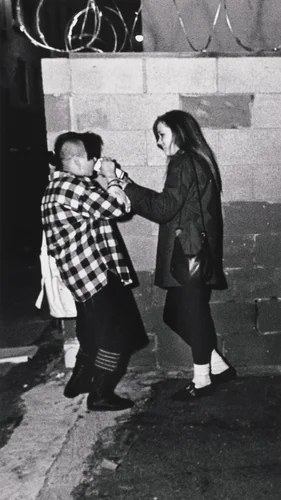
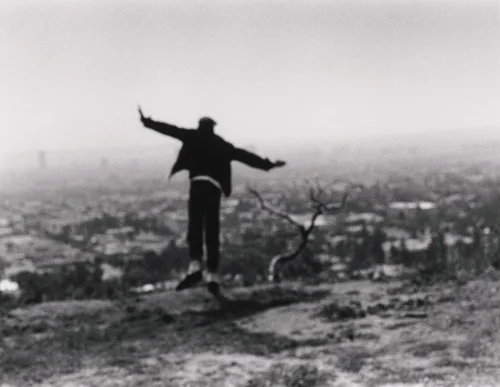
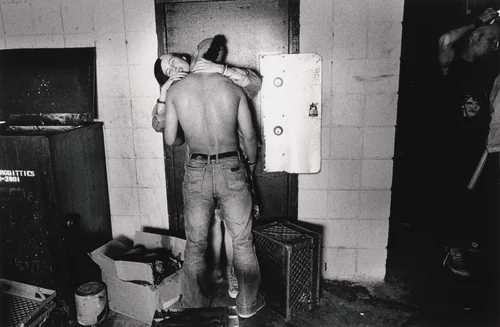
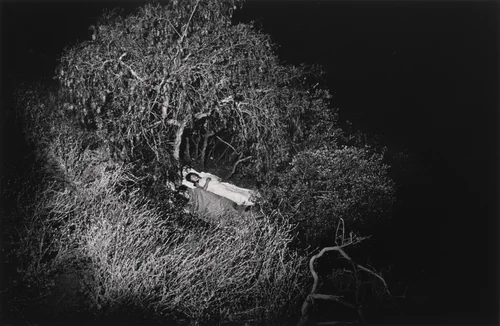
The collection of works from this period demonstrates the breadth of his humanistic scope. Portraits such as Bobby and Susie and Mary and Wayne, alongside sensitive studies like Mitzi Cohen and the deeply moving August 17, 1986 (Alzheimers), exemplify this commitment to ethical representation. These early, highly sought-after Jim Goldberg prints demonstrate the profound emotional capacity attainable through respectful collaboration.
Goldberg’s unwavering commitment to the integrity of his subjects has ensured his legacy endures as a master of contemporary documentary practice. His works have been acquired by major institutional archives, including the National Gallery of Art, confirming their significance as museum-quality photographic artifacts. Although the original art objects are safeguarded in prestigious collections, some of his visual documentation is accessible as downloadable artwork, allowing scholars and enthusiasts to study the nuances of his groundbreaking approach to collaborative portraiture. His early photographs, including Baby's Arms, remain critical touchstones in the history of American social documentary.
Source: Wikipedia · CC BY-SA 4.0