Jeremiah Theus
Jeremiah Theus stands as a singular and pivotal figure in the history of colonial American portraiture, principally defining the visual character of the Southern elite during the mid-eighteenth century. Born in Switzerland, Theus emigrated and firmly established his practice in Charleston, South Carolina, where his documented activity spans the years 1757 to 1769. His significance is intrinsically linked to his near-monopoly; for decades, he operated almost entirely without local competition, becoming the indispensable painter for the region’s burgeoning aristocracy.
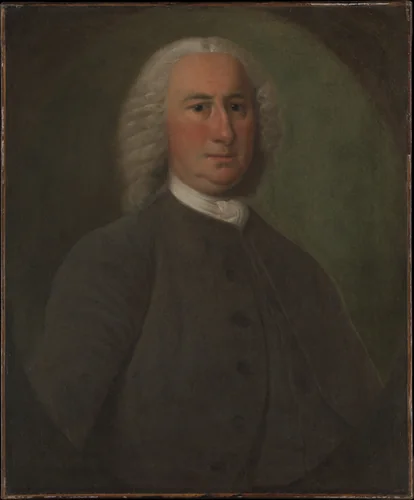
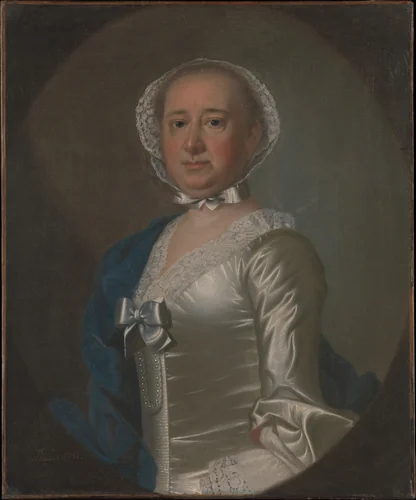
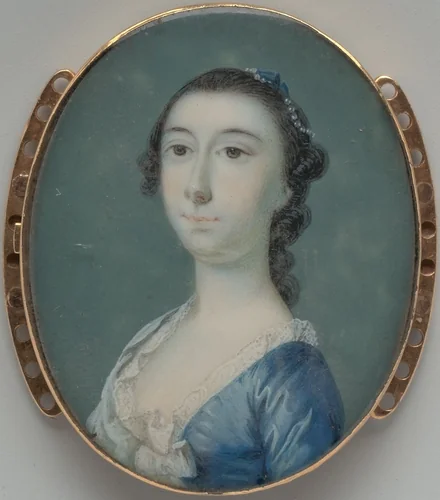
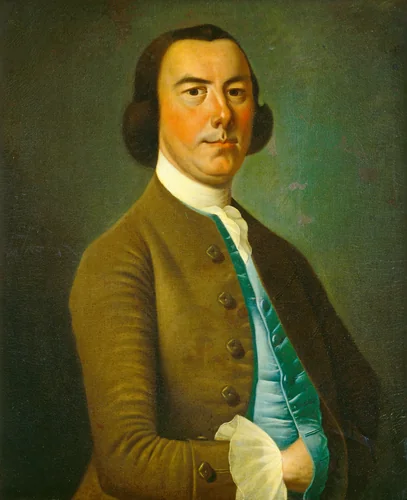
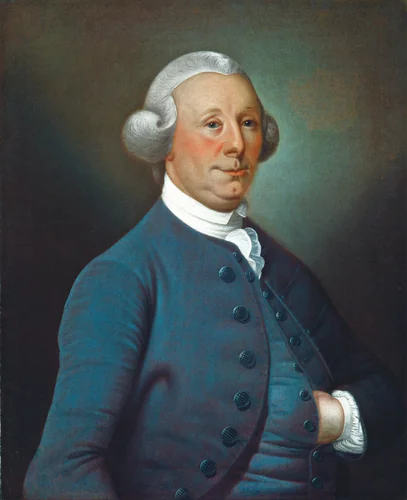
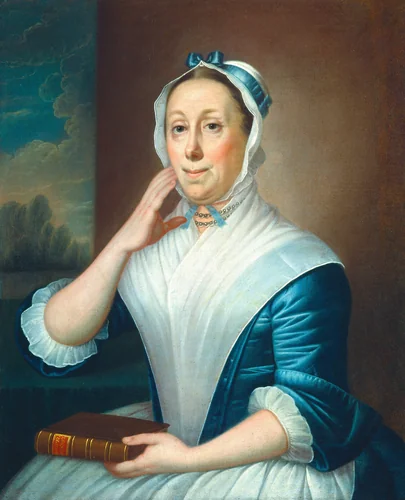
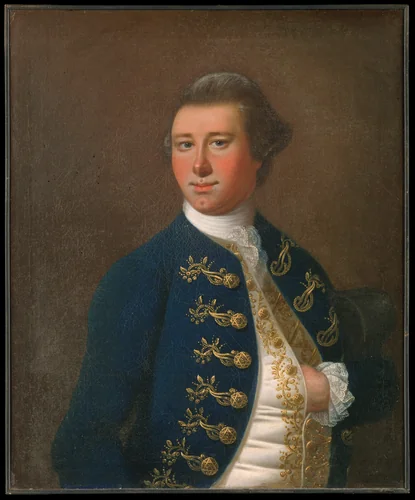
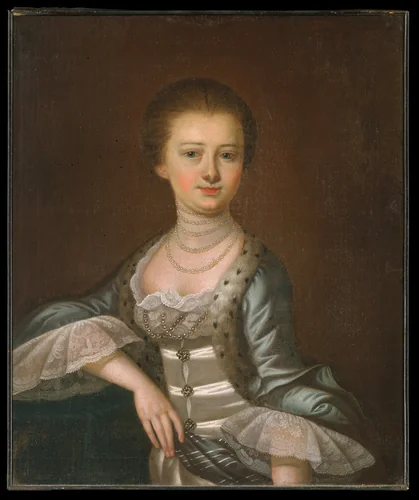
Theus’s works are characterized by a pragmatic focus on conveying the sitter’s social stature. He mastered a straightforward yet dignified style, typically emphasizing meticulous detail in costume and fabric, crucial elements for recording the wealth and reserved demeanor of the pre-Revolutionary gentry. His client list constituted a roll call of Charleston’s most influential families. Among his celebrated commissions are the companion pieces Gabriel Manigault and Mrs. Gabriel Manigault, powerful depictions of the merchant class that defined the city’s economic foundation. Other foundational works include portraits such as Mrs. Jacob Motte (Rebecca Brewton) and its corresponding male portrait, which help chart the social dynamics of the period.
Theus’s unchallenged position in Charleston ensured his commercial success, though his reliance on proven stylistic formulas perhaps curtailed significant artistic evolution; his reign was essentially uncontested, a period where stylistic innovation could afford to take a brief holiday. Nevertheless, the consistency and quality of his output remain crucial for understanding the prevailing aesthetic of the region.
Today, Theus’s contributions are preserved in major American institutions, notably the Metropolitan Museum of Art and the National Gallery of Art. The historical value of Jeremiah Theus paintings is widely recognized, and many examples of his foundational colonial output are now accessible in the public domain. The widespread availability of high-quality prints and downloadable artwork ensures that the refined, museum-quality portraits documenting the South Carolina elite continue to be studied and appreciated globally.
Source: Wikipedia · CC BY-SA 4.0