Jean-Victor Bertin
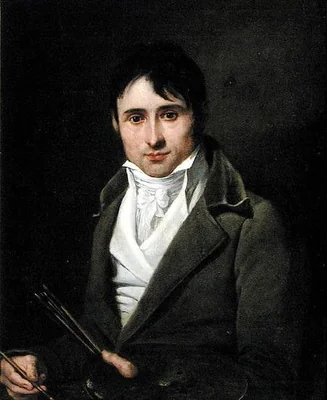
Jean-Victor Bertin was an accomplished French painter specializing in the historical landscape (paysage historique). Active primarily between 1780 and 1820, Bertin navigated the late Neoclassical period, establishing a reputation defined by exceptional control, minute detail, and an enduring commitment to the idealized Italianate scene. His significant body of work, which includes five major Jean-Victor Bertin paintings, four detailed drawings, and one print, is represented in prominent institutions globally, including the National Gallery of Art and the Metropolitan Museum of Art.
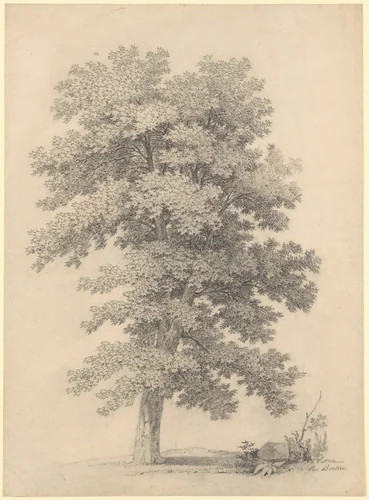
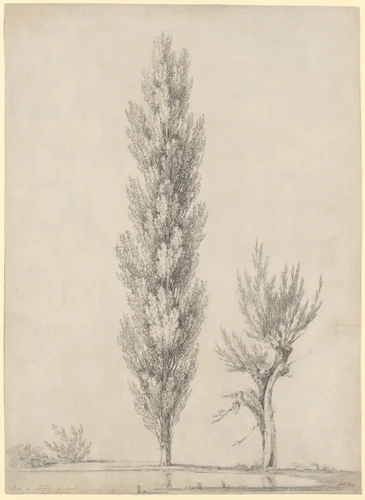
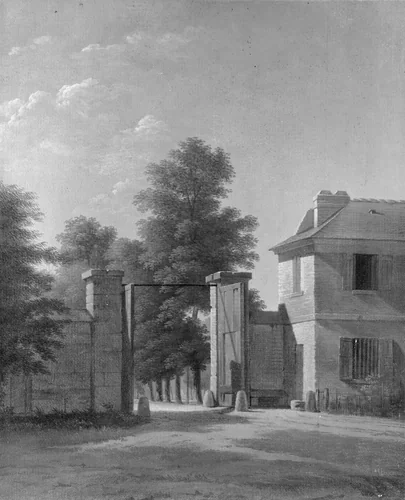
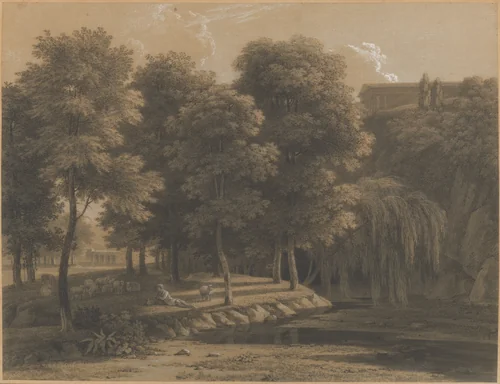
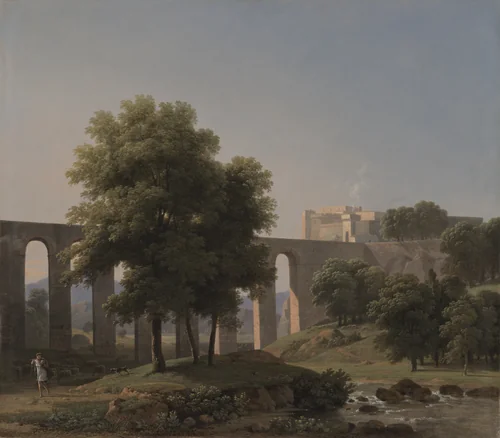
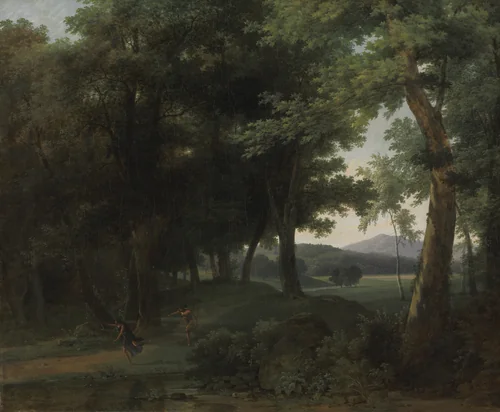
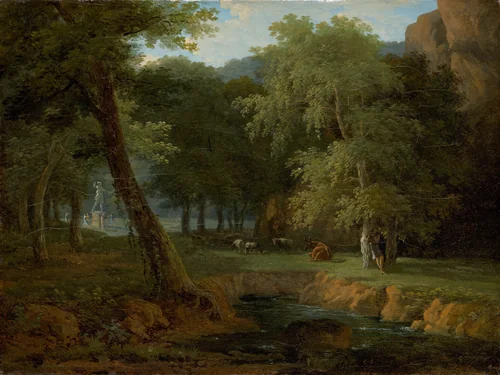
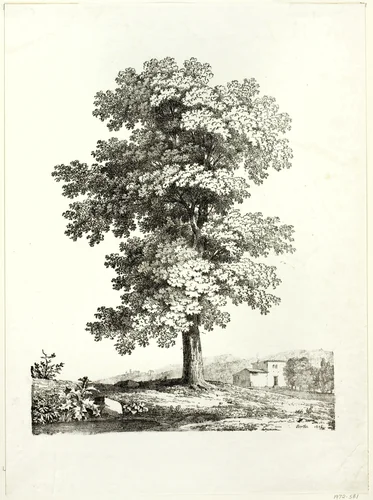
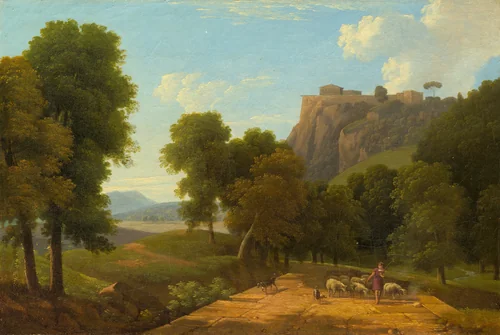
Bertin’s classical style owed its inspiration directly to the Italian tradition, particularly the structured compositions popularized by Poussin and Claude Lorrain. His ability to render complex natural settings with almost topographical precision is evident in works such as A Plane Tree and Landscape with a Poplar and a Willow Tree at the Edge of a Pond. Even when depicting local environs, as in Entrance to the Park at Saint-Cloud, the final result is less a documentary snapshot and more a carefully orchestrated vision, where light and structure reinforce the classical harmony. This disciplined approach sets his museum-quality artwork apart from the rising currents of Romanticism that would soon define the nineteenth century.
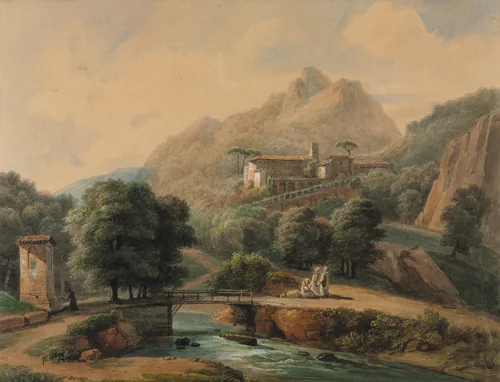
His canvases, particularly the monumental Paysage Italien: L'Abbaye et Les Religieux, exemplify his dedication to the historical narrative, where figures are placed within landscapes that suggest a timeless, rational order. His landscapes rarely feel like the untamed wilderness; rather, they serve as meticulously measured architectural studies, simply draped in carefully observed foliage. This subtle, almost academic adherence to structure made Bertin a significant influence on the next generation of French landscape artists.
Bertin’s legacy rests upon his mastery of the classical idiom, preserving the stately grandeur of the ideal landscape just as the French tradition was pivoting toward empirical realism. Today, the enduring interest in his detailed technique means that numerous works, including preparatory drawings and finished canvases, are frequently sought after. For researchers and enthusiasts alike, the availability of high-quality prints and royalty-free images derived from his art now in the public domain allows for close study of his sophisticated compositions.
Source: Wikipedia · CC BY-SA 4.0