Jean Siméon Chardin
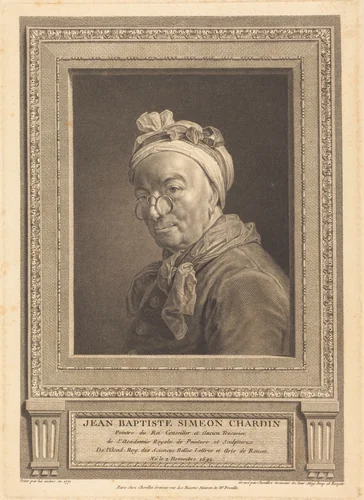
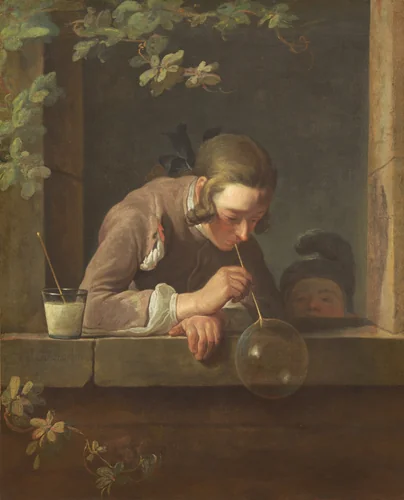
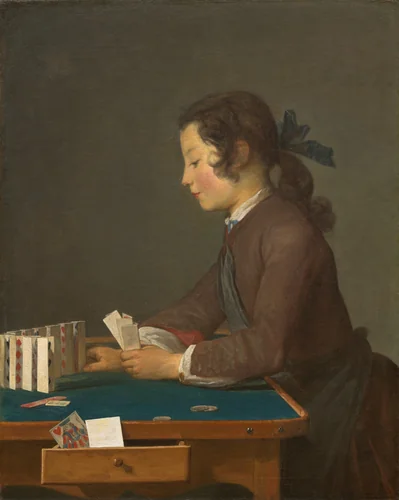
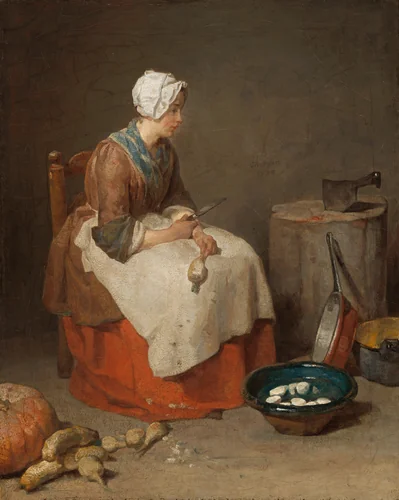
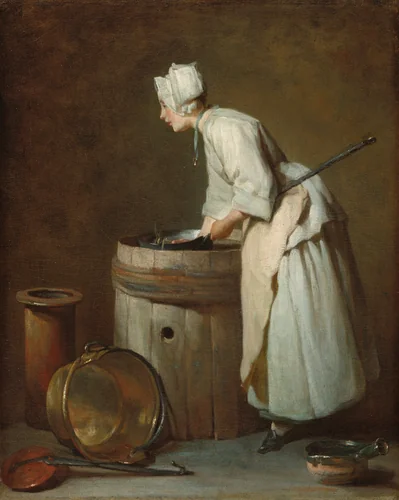
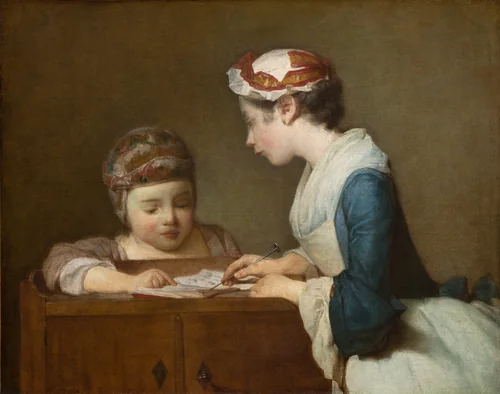
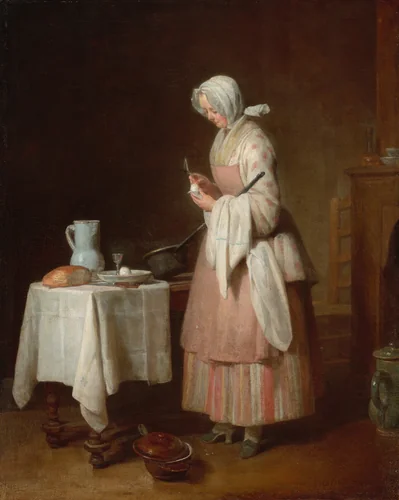
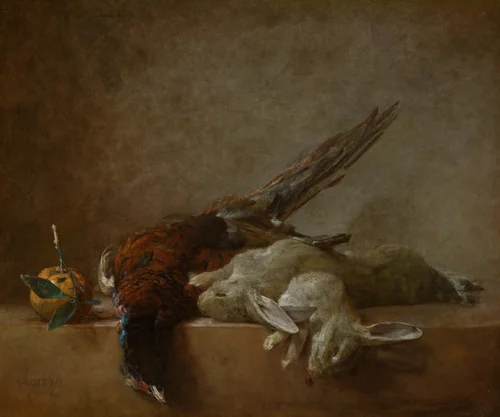
Jean Siméon Chardin (1699-1779) stands as one of the most distinctive and historically significant French painters of the 18th century. Operating largely outside the grand historical and mythological narratives favored by the French Academy, Chardin dedicated his exceptional practice to the depiction of still life and intimate genre scenes. His focus on the quiet dignity of commonplace objects and everyday domesticity marked a profound shift in artistic priorities, redirecting the viewer's attention away from aristocratic spectacle and toward the material reality of the French household.
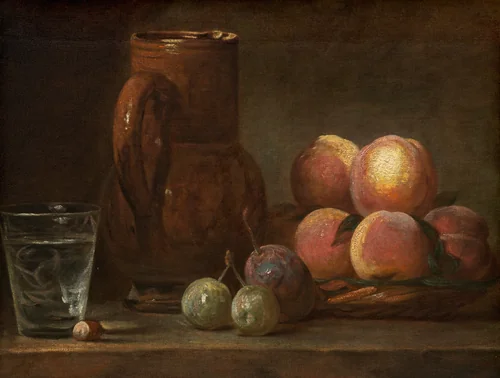
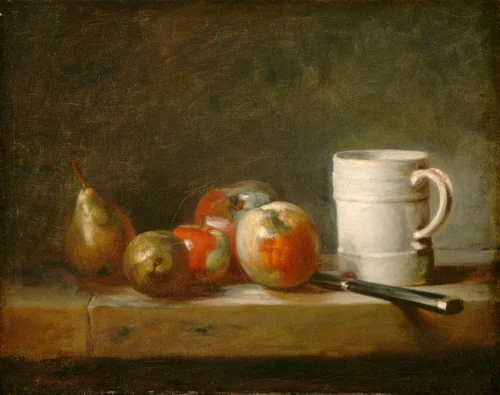
Chardin’s mastery rests fundamentally on technical precision merged with profound observational skill. He meticulously rendered textures using a granular impasto, creating surfaces that possess an almost palpable, earthen quality, whether depicting rough ceramics, delicate pewter, or taut fruit skin. This tactile quality is complemented by a sophisticated handling of light. Works such as Fruit, Jug, and a Glass exemplify his signature aesthetic: a carefully balanced composition suffused by a soft, diffused light, which seems to fall naturally into the scene, lending commonplace objects a meditative silence.
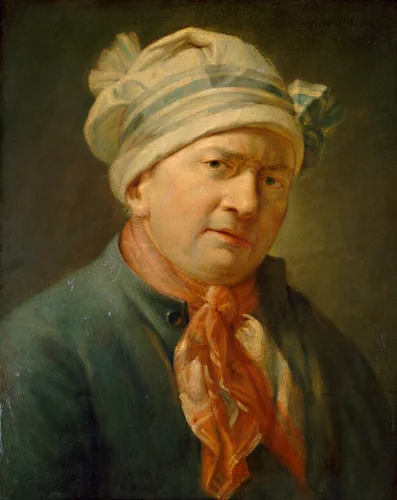
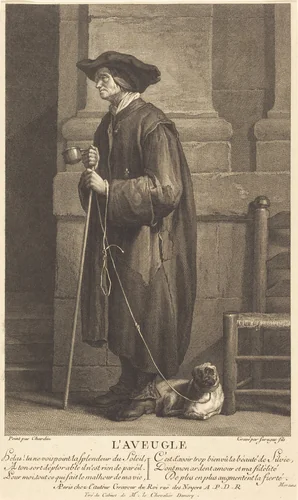
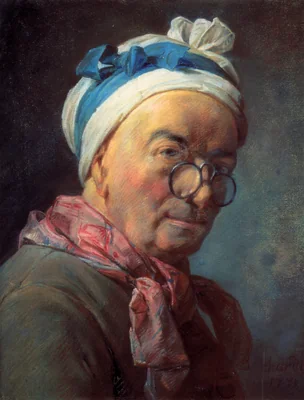
Beyond the still life, Chardin is highly regarded for his genre paintings. These works illustrate the unvarnished lives of kitchen maids, servants, children, and tradesmen engaged in routine activities. Observing paintings like The Blind Beggar or the penetrating Portrait of a Man, the viewer notes the complete absence of frivolous detail; the figures are characterized by their intense concentration on their tasks. It is perhaps the highest compliment to Chardin’s observational skill that he managed to make paintings centered on domestic servitude feel utterly noble, elevating the daily routines of the working class into resonant visual statements.
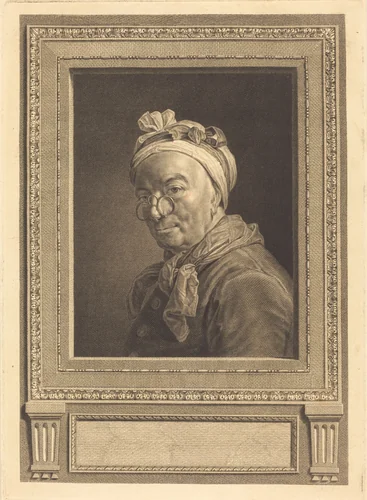
Though he was sometimes marginalized by critics focused on academic classicism, Chardin’s influence grew dramatically in the 19th century, deeply impacting artists seeking material simplicity and pictorial truth. His output, encompassing highly valued Jean Siméon Chardin paintings and a smaller number of Jean Siméon Chardin prints, remains central to the history of Realism. Today, recognized as genuine museum-quality art, much of his work has entered the public domain, making high-quality prints and downloadable artwork widely available for study and enjoyment across the globe.
Source: Wikipedia · CC BY-SA 4.0