Jean Pillement
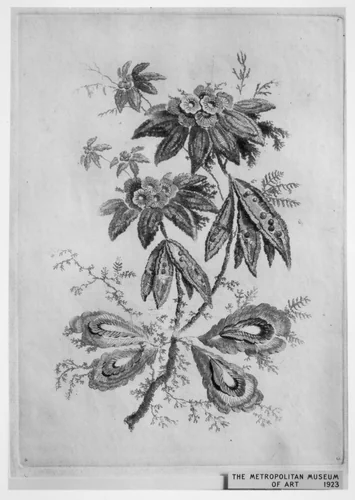
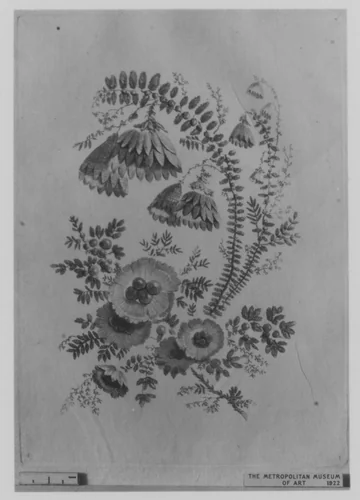
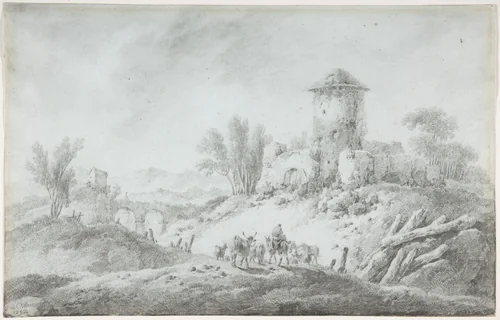
Jean Pillement (1728-1757) was a pivotal French painter and designer whose influence dramatically outstripped the visibility of his original canvases. While his own practice produced exquisite, delicate landscapes, such as the detailed Study of a Tree and charming genre scenes like Washerwoman by a Brook, Pillement’s true authority rests in the prolific dissemination of his drawn designs. He was not merely a contributor to the Rococo period, but one of its primary global agents, establishing him as a central figure in the history of applied arts.
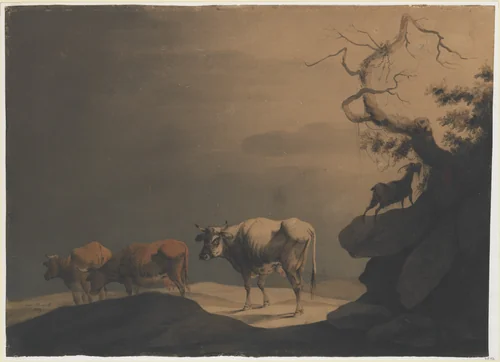
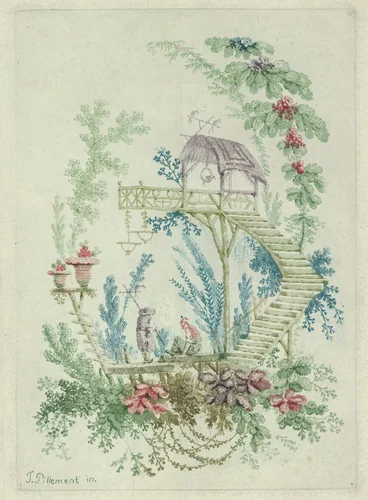
Unlike many contemporaries who focused on monumental history painting, Pillement was a master of the reproducible image, utilizing print culture to rapidly export style. His designs, translated into vast numbers of engravings, provided the essential vocabulary for interior decorators, textile manufacturers, and porcelain designers across Europe. This practical utility is demonstrated in works such as Landscape with Seated Shepherd and Dog, a design clearly intended for transfer onto screens or decorative panels.
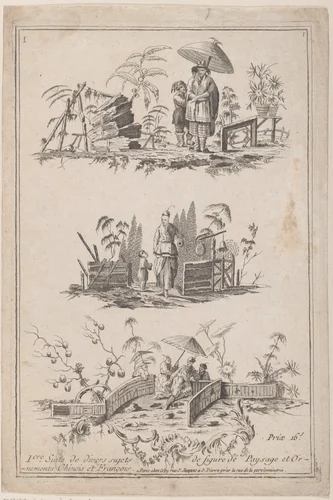
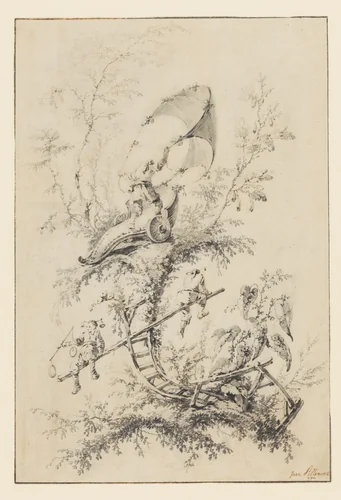
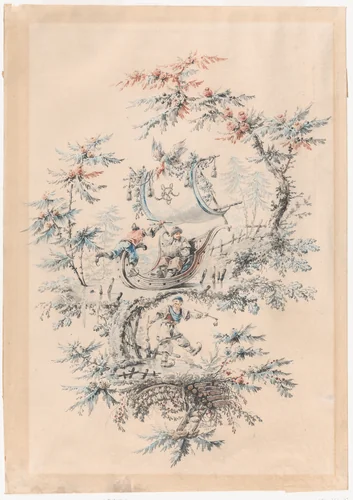
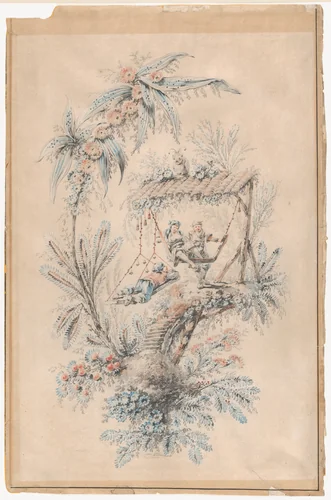
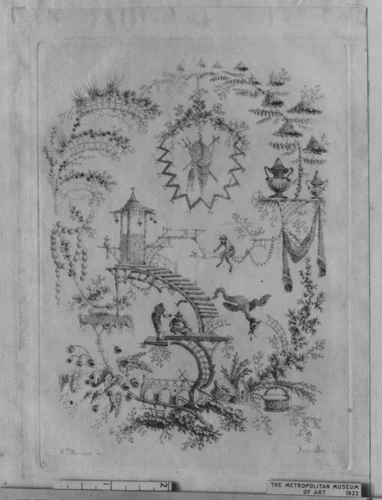
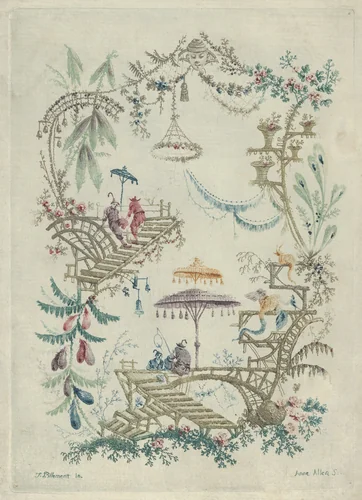
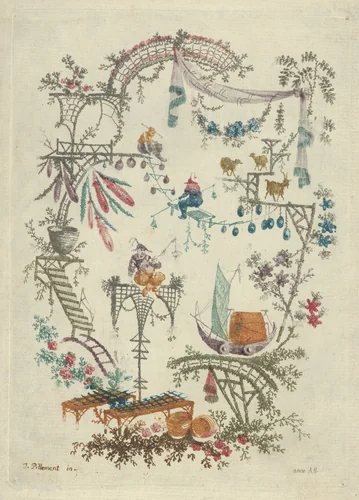
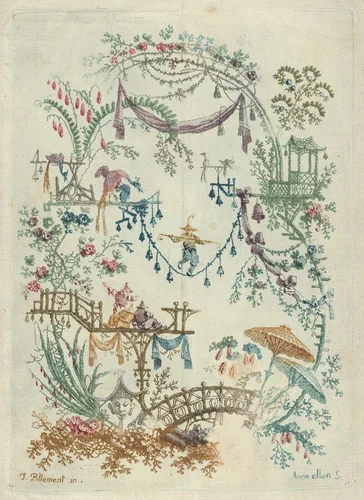
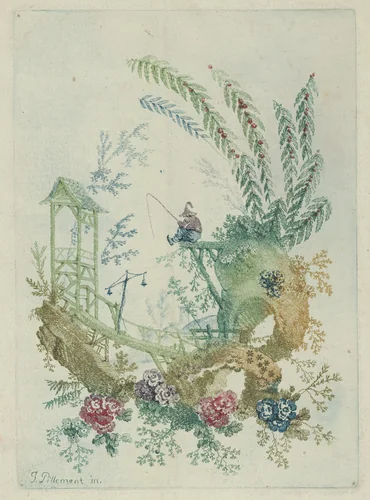
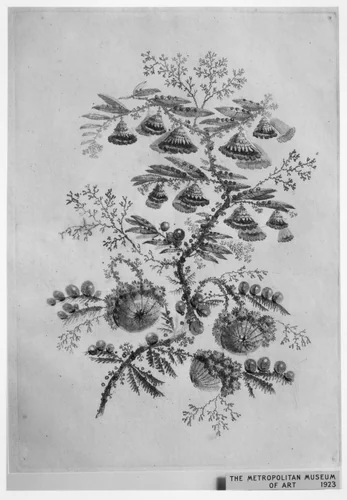
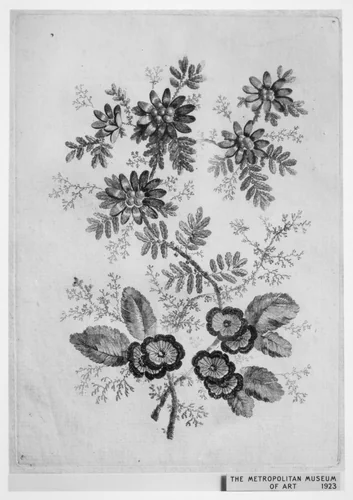
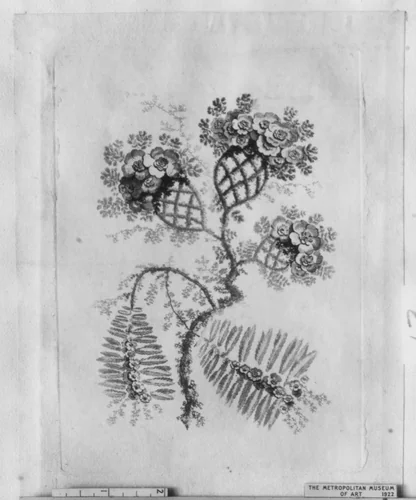
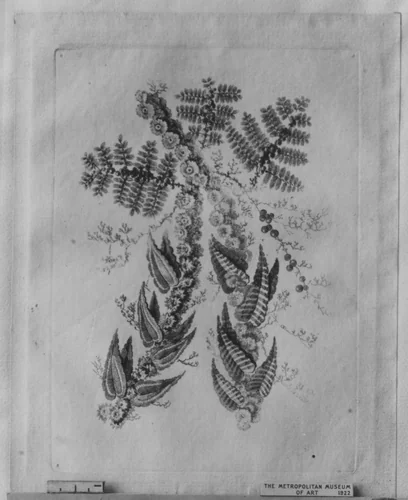
The crucial component of Pillement’s success was his enthusiastic and sophisticated embrace of chinoiserie, the European stylistic interpretation of imagined Chinese motifs. These playful, often asymmetric compositions, exemplified by the print simply titled Chinoiserie, captured the era's taste for the exotic and the fanciful. His decorative language, filled with light floral swags framing ovals, whimsical figures, and flowing arrangements, instantly became the blueprint for aristocratic fashion. Works like Floral Swags Framing an Empty Oval illustrate his aptitude for creating elegant frameworks adaptable to any medium.
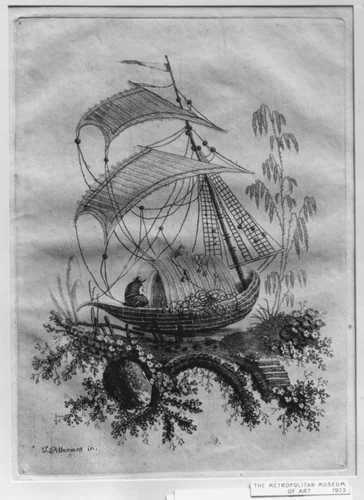
The importance of Pillement’s output cannot be overstated; it was the high-quality prints derived from his drawings that essentially codified popular taste. He specialized not in capturing the sublime, but in delivering immediate, delightful utility, ensuring his patterns were visible everywhere from London drawing rooms to Russian palaces. It is perhaps a delicious irony that a designer so central to the extravagant consumption patterns of the 1700s now has much of his best work, often held in collections like the Metropolitan Museum of Art, available as downloadable artwork. Many of these influential designs are now in the public domain, demonstrating the profound power of decorative design over original painting in shaping the material culture of the 18th century.
Source: Wikipedia · CC BY-SA 4.0