Jean Pierre Norblin
Jean-Pierre Norblin de La Gourdaine (1745-1796) was a highly versatile French artist, recognized across the disciplines of painting, draughtsmanship, and engraving. His career trajectory was unique among his contemporaries, defined by his extended residence in Poland from 1774, a period during which he profoundly influenced the development of the graphic arts and the rise of genre painting within Eastern European artistic circles.
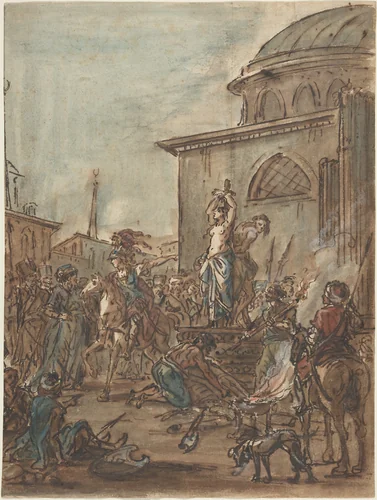
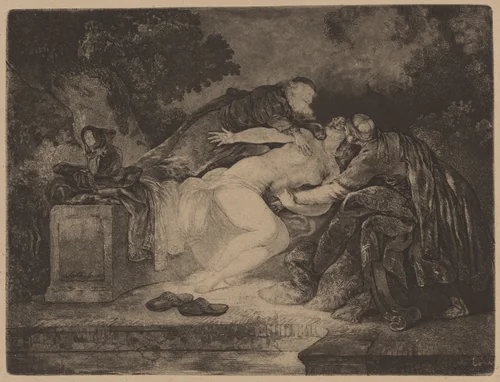
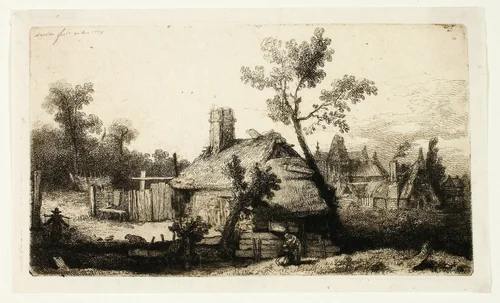
Norblin distinguished himself particularly as a master of the print medium. He utilized etching and engraving not only to create original works but also to disseminate his understanding of structure and narrative. His graphic output encompassed a broad stylistic spectrum, ranging from formal biblical and mythological scenes, such as the dramatic Olindo and Sophronia Saved by Clorinda and the classical depiction of Susannah and the Elders, to highly detailed genre works.
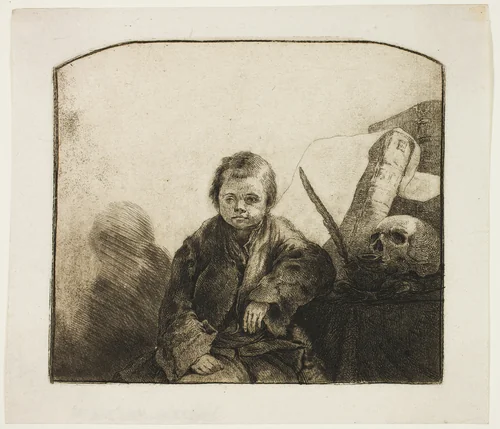
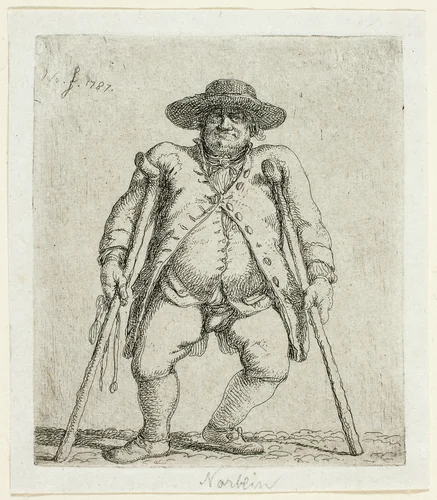
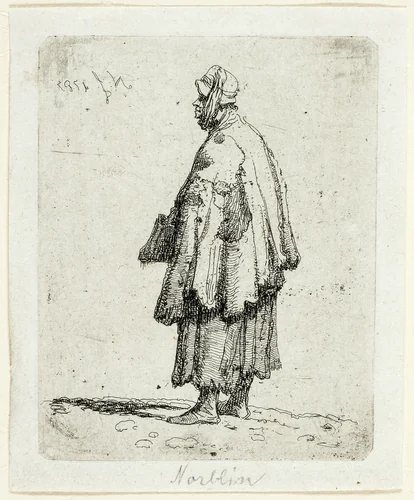
These latter studies provide invaluable insight into eighteenth-century life. Works like The Village and the character study The Little Philosopher showcase Norblin’s facility for capturing everyday activities with both empathy and a light, academic touch. This versatility was underscored by his skill as a caricaturist; indeed, the keen, sometimes satirical, observation required for caricature often infused his more formal compositions. Though the term was not yet codified, Norblin was an early practitioner of rendering high-quality prints suitable for wide distribution.
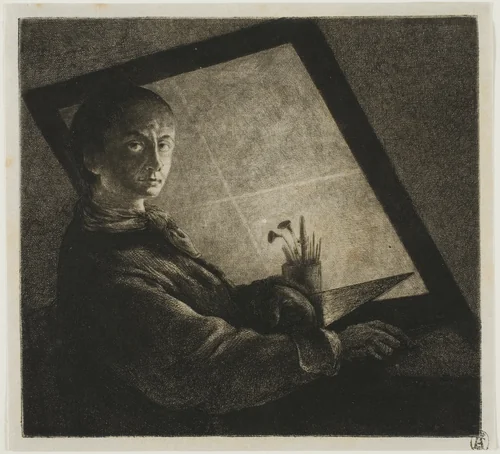
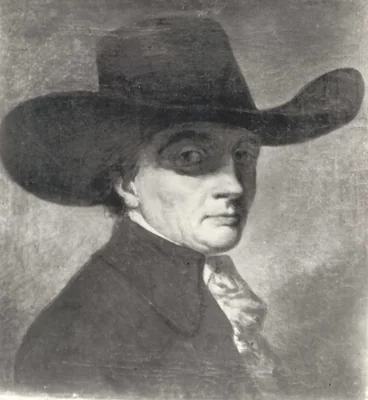
Today, Jean Pierre Norblin prints and drawings are considered foundational examples of late eighteenth-century European graphic tradition. His output is secured in major public repositories, including the Art Institute of Chicago and the National Gallery of Art, confirming his lasting museum-quality relevance. His penetrating Self-Portrait allows modern viewers direct access to the individual behind this trans-European artistic endeavor. As much of his catalogue now falls within the public domain, researchers and enthusiasts benefit from the availability of downloadable artwork, ensuring that this pivotal figure in graphic history remains accessible.
Source: Wikipedia · CC BY-SA 4.0