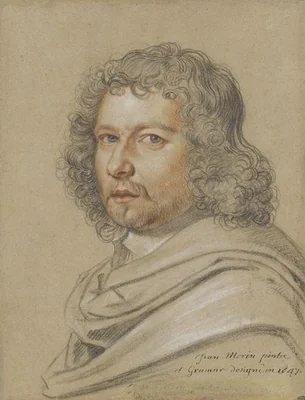
Jean Morin
Jean Morin, the French painter, etcher, and engraver, occupies a specialized but distinguished position within the history of early 17th-century printmaking. His documented artistic practice was brief, active only between approximately 1600 and 1605, yet his surviving oeuvre consists of approximately fifteen highly valued prints. The significance of his work is confirmed by its presence in major institutional holdings, including the Metropolitan Museum of Art and the National Gallery of Art.
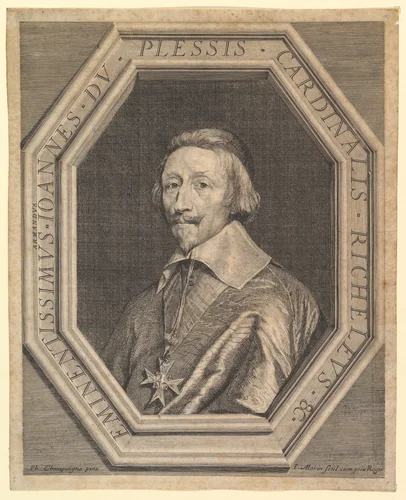
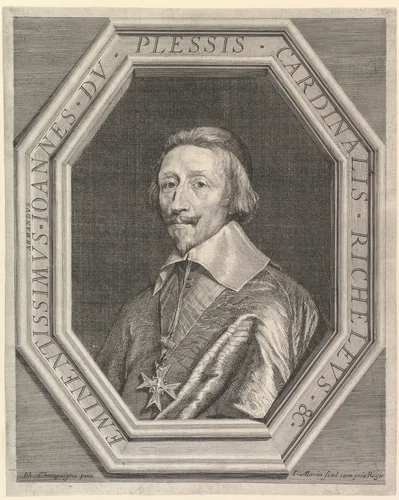
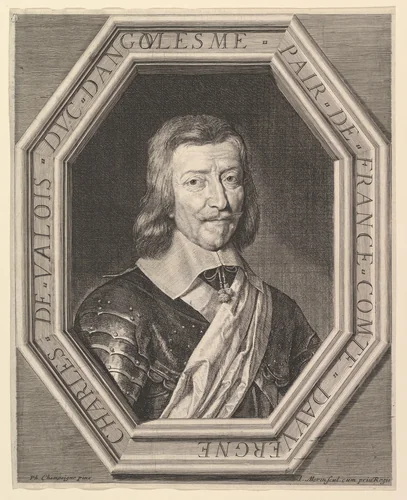
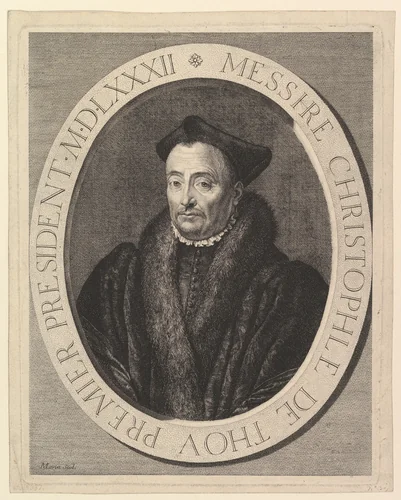
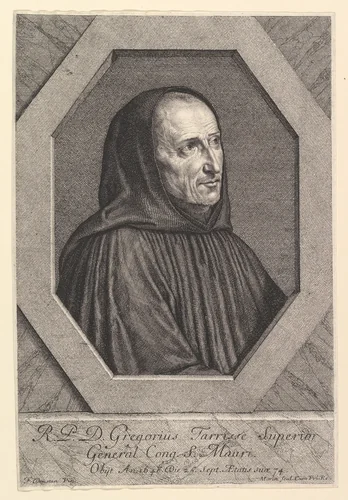
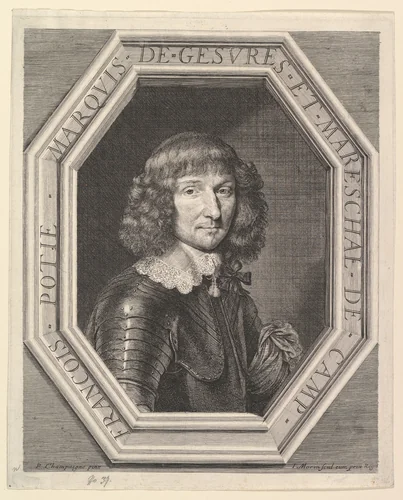
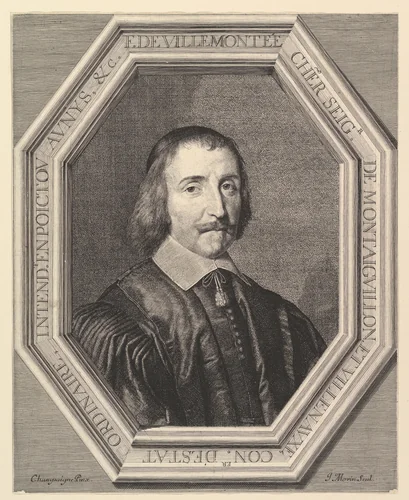
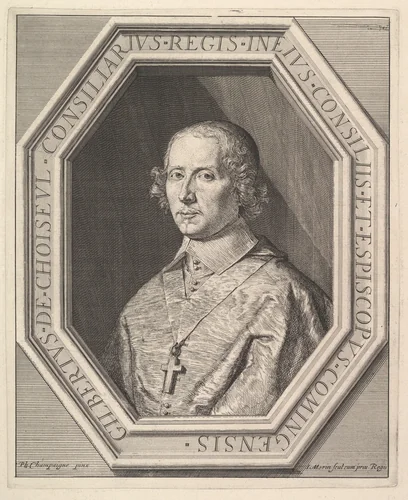
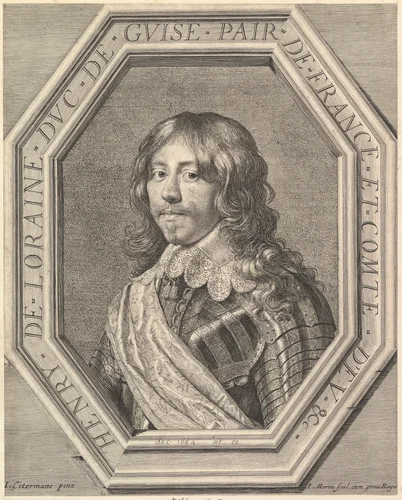
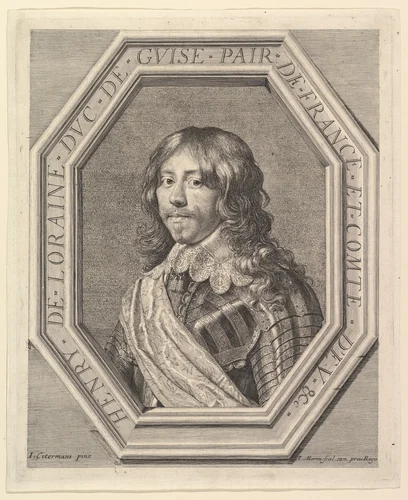
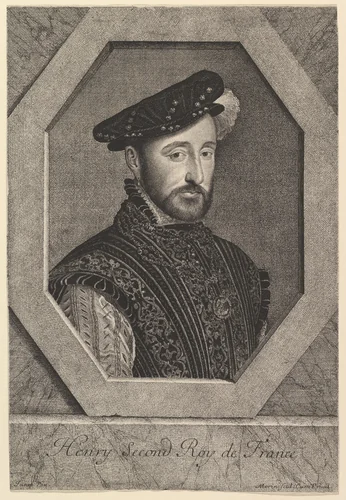
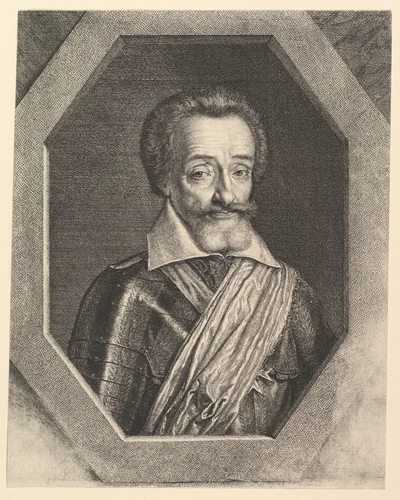
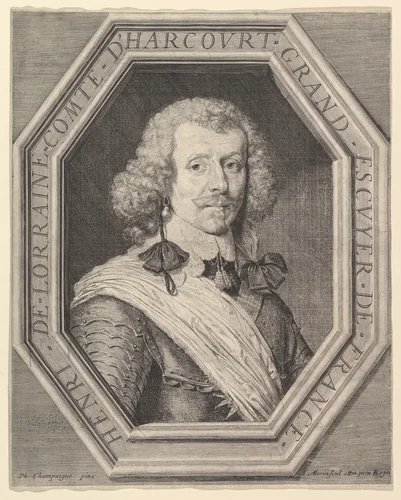
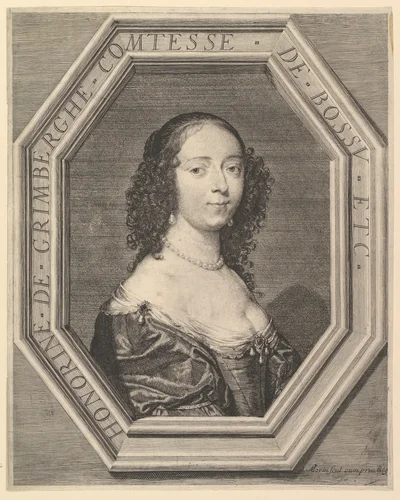
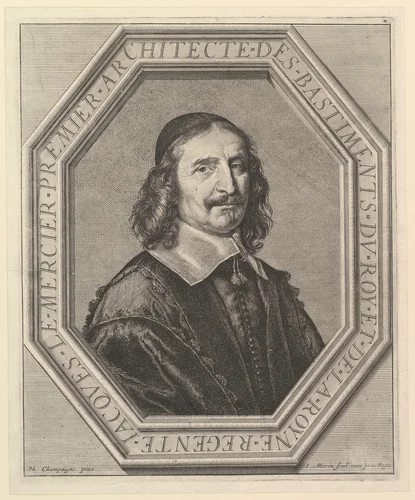
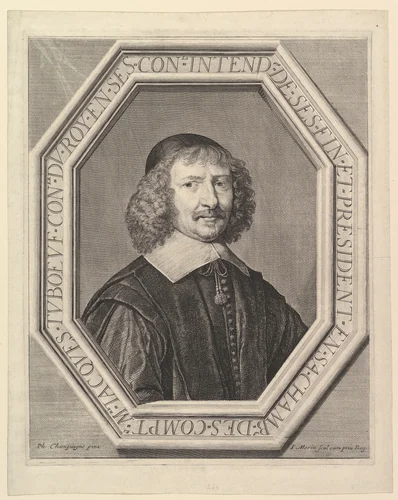
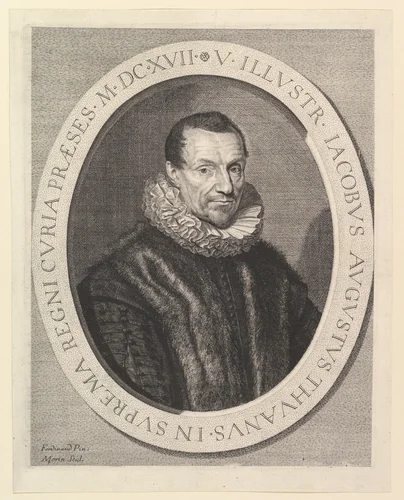
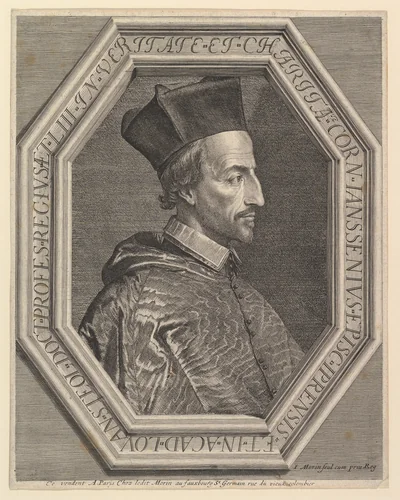
Morin’s limited but influential body of work suggests a highly skilled professionalism focused almost exclusively on portraiture. He specialized in capturing the defining features of significant ecclesiastical, political, and artistic figures of the late Valois and early Bourbon periods. His known subjects formed a powerful cross-section of French society, including the influential legal scholar Christophe de Thou and his son, Augustin de Thou, alongside the Dutch theologian Corneille Jansenius, Bishop of Ypres, and the royal painter Franken. He also portrayed notable women of stature, such as Honorine Grimberge, comtesse de Bossu, demonstrating a breadth of clientele.
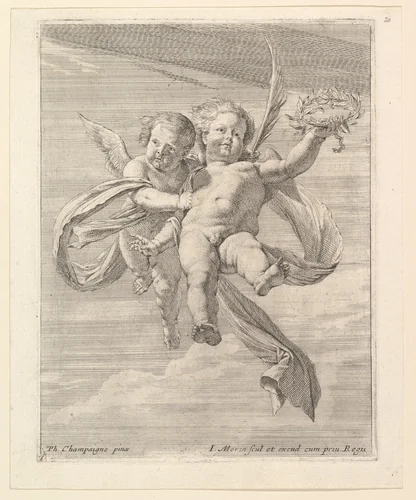
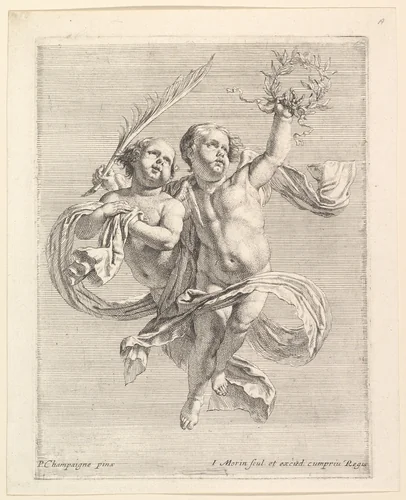
These works demonstrate a rigorous command of the etching needle and the engraver's burin, utilizing subtle variations in line to convey texture and psychological depth. This attention to detail established a standard for museum-quality early modern portrait prints in circulation across Europe.
Art historical research must often differentiate the printmaker Morin from his near-contemporary, the celebrated theologian Jean Morin (1591–1659). This confusion underscores the challenge of biographical certainty when documenting artists operating outside of royal academies, providing a light, interesting puzzle for scholars. Despite the brevity of his known career, Morin’s technical consistency and formal achievement ensures his enduring relevance. Today, as the scarcity of original Jean Morin paintings directs focus to his printed output, researchers frequently utilize high-quality prints, often found within the public domain, as downloadable artwork for the study of 17th-century portraiture and print technique.
Source: Wikipedia · CC BY-SA 4.0