Jean Mignon
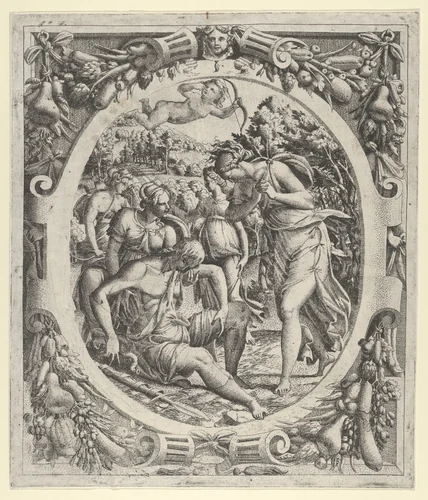
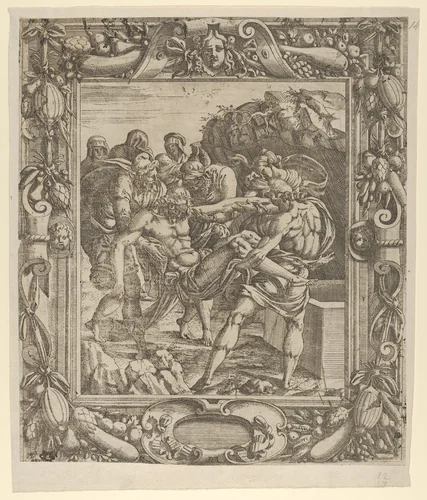
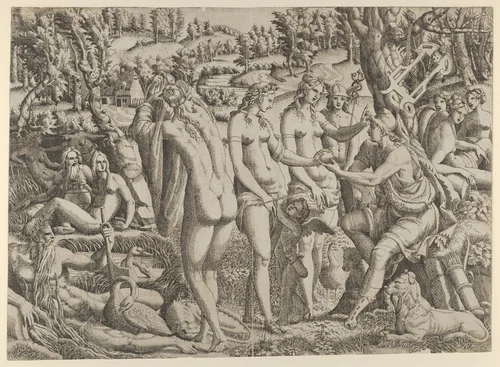
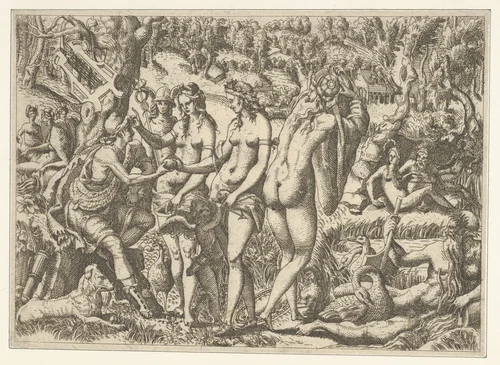
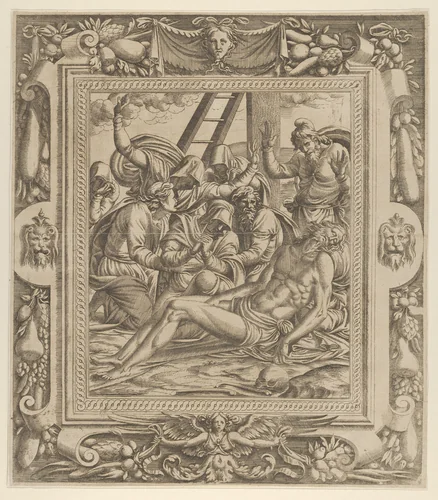
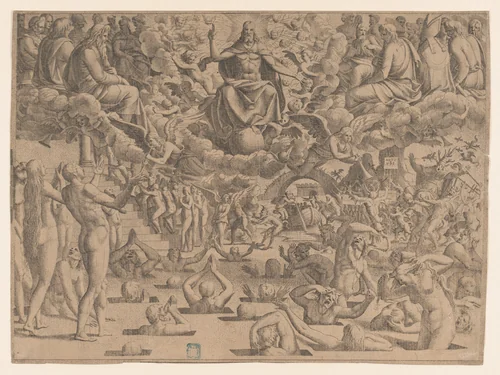
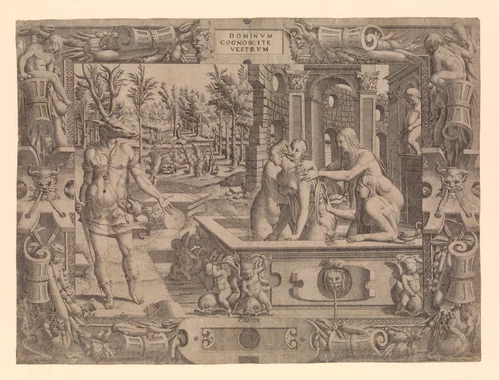
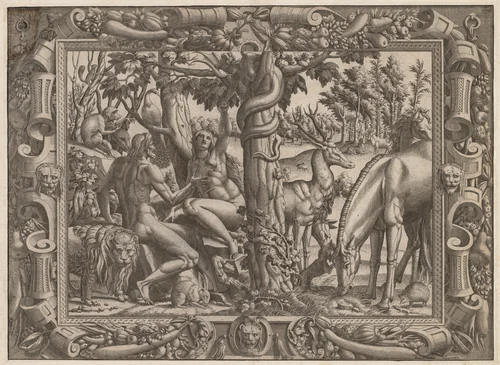
Jean Mignon stands as a pivotal figure in the development of sixteenth-century French printmaking, recognized for his instrumental role in establishing etching as a primary medium for artistic reproduction in the country. Active primarily between 1537 and the mid-1550s, his career is inextricably linked to the dynamic milieu of King François I’s ambitious artistic enterprise at the Château de Fontainebleau, known historically as the First School of Fontainebleau.
Mignon was among the first generation of French artists to embrace etching, a relatively new technique in France at the time. He frequently augmented the spontaneous quality of the acid-bitten line with refined supplementary engraving. This technical preference placed him at the vanguard of disseminating the intricate, highly stylized Mannerist aesthetic that dominated the School. While records indicate Mignon’s activity also involved painting, his lasting legacy rests almost entirely on his approximately fifteen known prints.
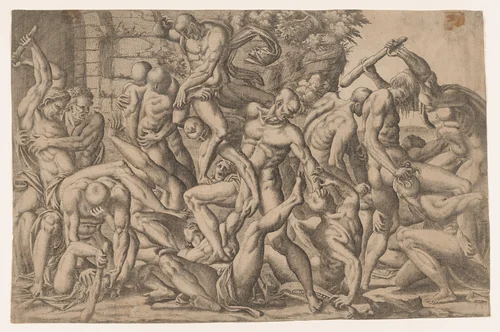
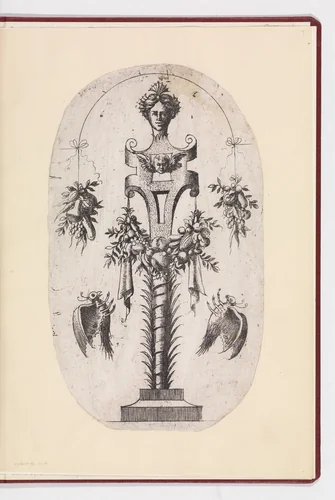
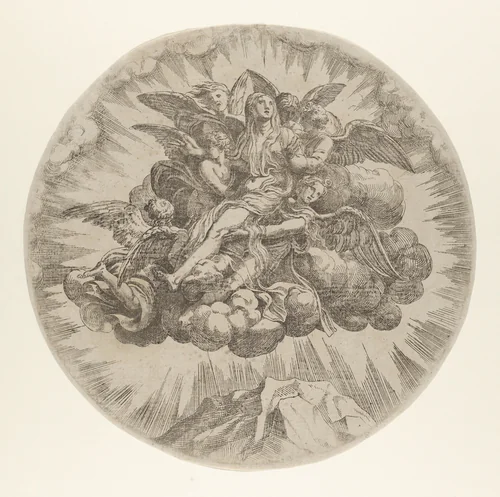
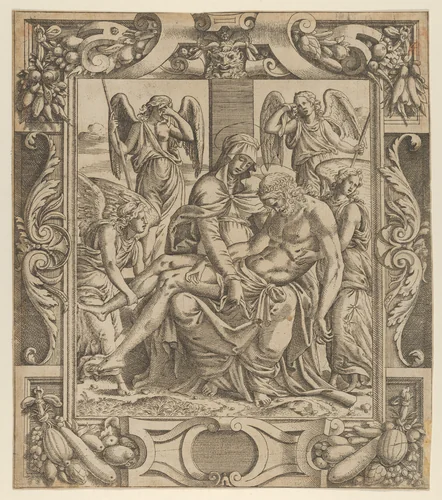
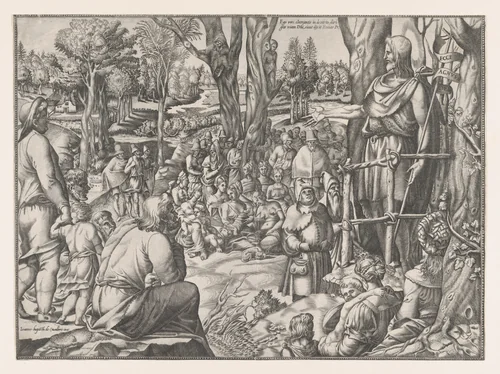
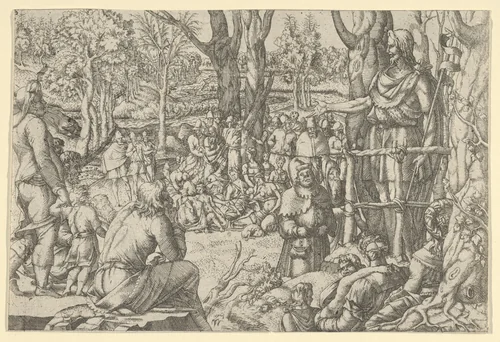
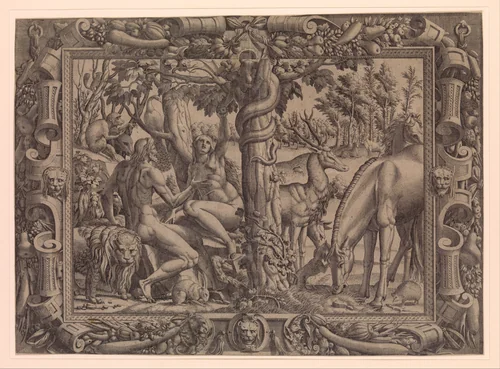
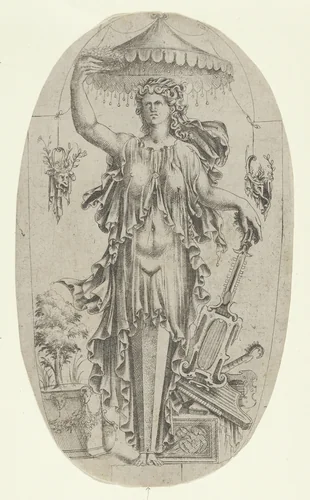
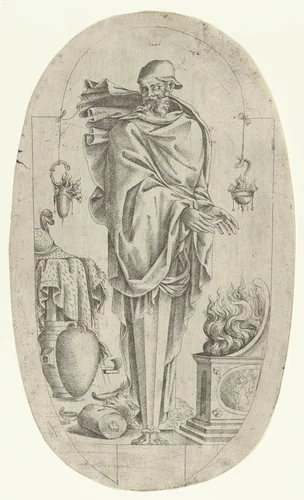
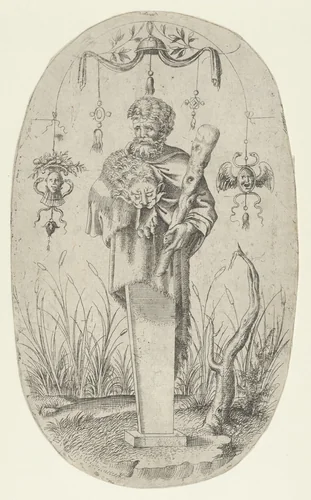
These works reveal a characteristic Fontainebleau blend of elongated form, classical drama, and decorative complexity. Mignon often focused on robust figural studies isolated in architectural settings, visible in plates such as Man in a Niche and the enigmatic Horned Genius. His compositions often carry an unusual intensity, a gravity that suggests he treated his small format plates with the solemn ambition usually reserved for monumental canvases. Figures, whether the powerful Bearded Head on a Pedestal or the mythological Diana of Ephesus, possess a sense of sculptural weight that belies the speed generally associated with the etching process. Other notable compositions, such as Hercules with His Club, further demonstrate his engagement with classical iconography adapted to the prevailing Mannerist sensibility.
Today, Jean Mignon prints are held in major institutional collections globally, including the Metropolitan Museum of Art and the National Gallery of Art, serving as museum-quality examples of early French Mannerism. Because many of his works now reside in the public domain, they offer scholars and enthusiasts direct access to high-quality prints that document this foundational moment in the history of printmaking.
Source: Wikipedia · CC BY-SA 4.0