Jean Massard
Jean Massard holds a distinct, if concise, position within the 18th-century tradition of French reproductive engraving. Active primarily across a pivotal decade, spanning roughly 1760 to 1771, Massard excelled at translating the nuanced textures of oil paintings into sharp, sophisticated copperplate works. His prints were crucial instruments in the dissemination of official state portraits and allegorical scenes throughout Europe, ensuring that these visual narratives reached an audience far beyond the court circles.
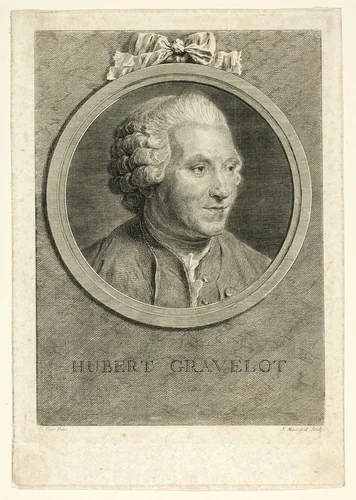
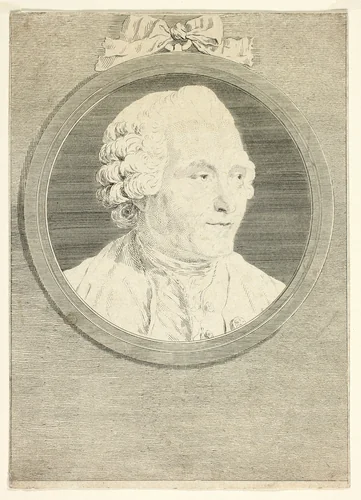
Massard’s technical skill is evident in the precision required for creating museum-quality prints, a necessity for works destined for both elite albums and institutional collections. The breadth of his documented oeuvre, though small, reveals both court connections and an engagement with the intellectual figures of the age. Notable among the Jean Massard prints are the striking double portrayal of the influential designer and academician, Portrait of Hubert Gravelot. These works demonstrate Massard’s mastery of line, successfully capturing the sitter’s likeness while upholding the rigorous standards of printmaking practice.
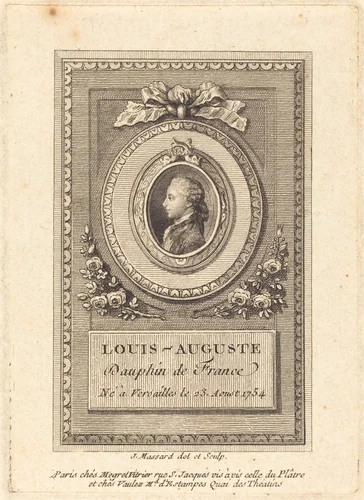
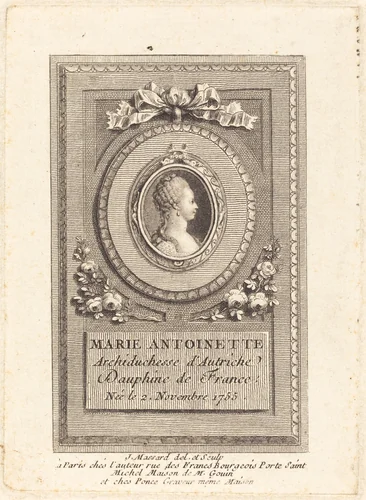
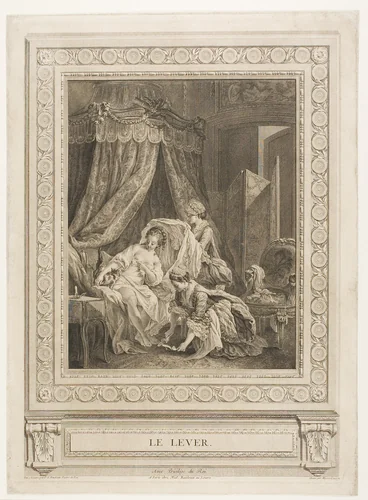
The height of his historical relevance, however, lies in his depictions of the royal family during the shifting final years of the Bourbon monarchy. His renderings of the young Dauphin, Louis-Auguste, Dauphin of France, and the celebrated, if politically challenged, royal consort, Marie-Antoinette, serve as indispensable visual documents of the era. The allegorical work The Rising further illustrates his capacity to handle complex, multi-figure compositions.
Today, the artistic legacy of Jean Massard is secured in the permanent collections of major American institutions, including the Art Institute of Chicago and the National Gallery of Art. Thanks to modern efforts to catalog and digitize such material, many of these high-quality prints are now widely accessible, often residing in the public domain.
Despite this firmly established artistic record from the 1760s, art history occasionally yields a strange historical footnote. It is an unusual coincidence that the name Jean Massard would re-emerge 150 years later, belonging to a Luxembourgish footballer who competed in the men’s tournament at the 1920 Summer Olympics.