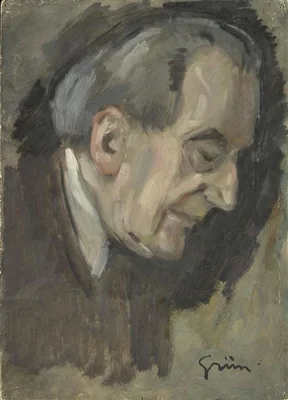
Jean-Louis Forain
Jean-Louis Forain (1852-1931) occupies a critical, if sometimes underestimated, position within the Impressionism movement. Highly prolific across a long career, Forain distinguished himself not only through painting but through mastery of reproductive media, including etching and lithograph, establishing himself as one of the era’s most accomplished draughtsmen. While many of his peers struggled for recognition, Forain achieved notable commercial success during his lifetime, a factor which perhaps led to a critical reassessment of his stature following his death.
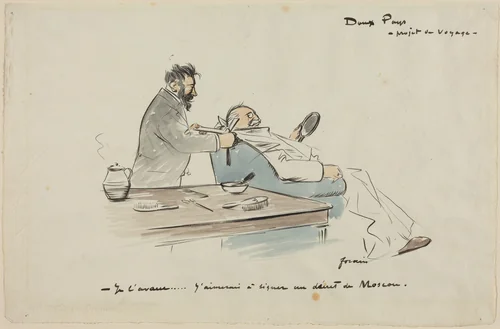
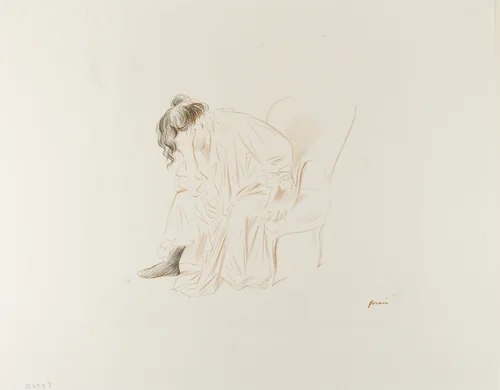
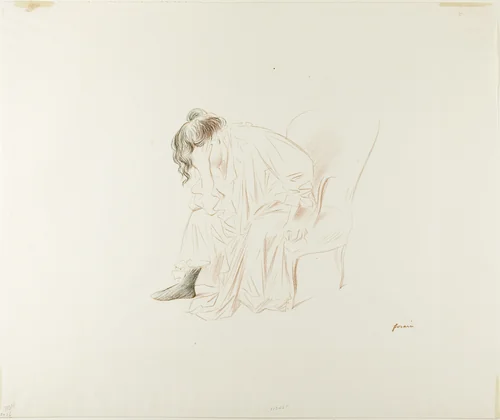
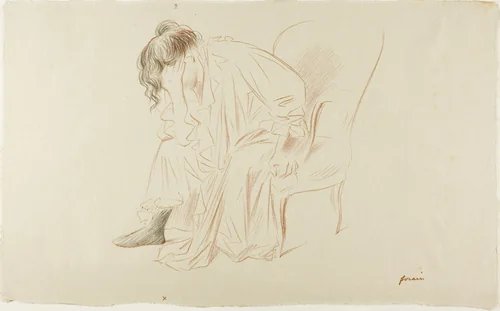
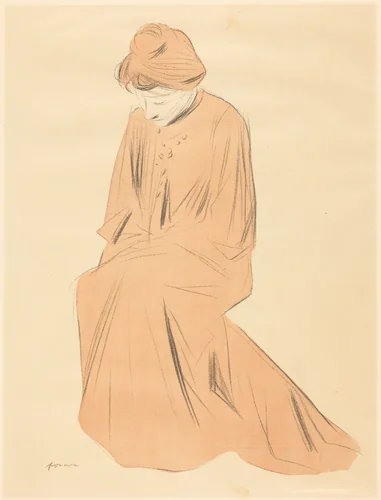
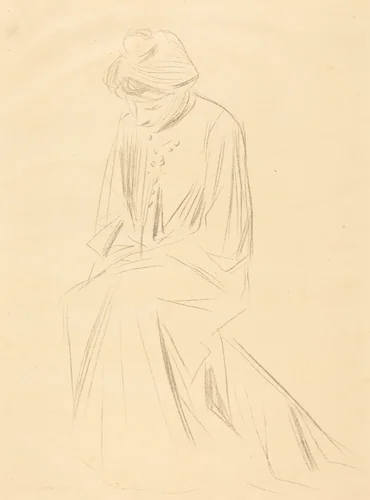
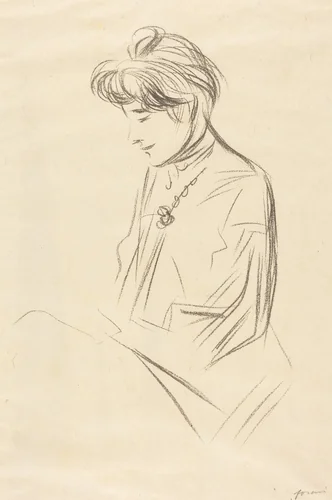
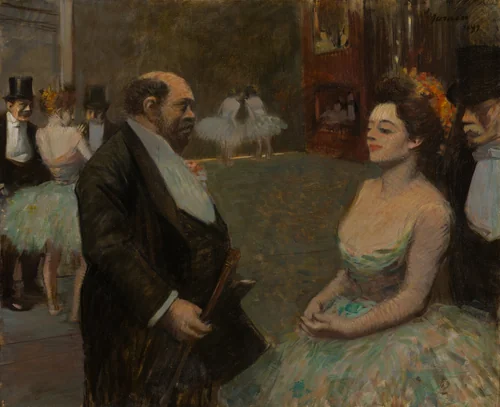
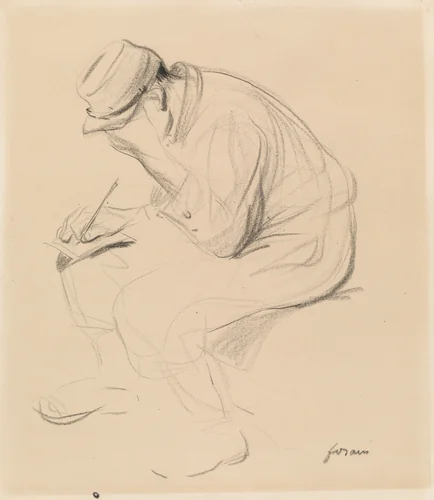
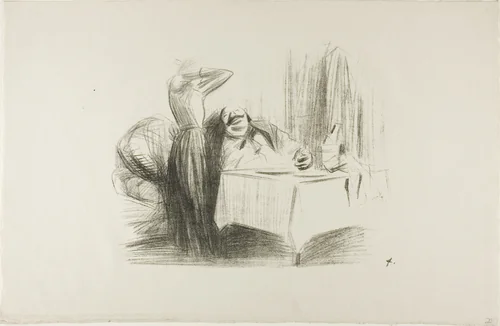
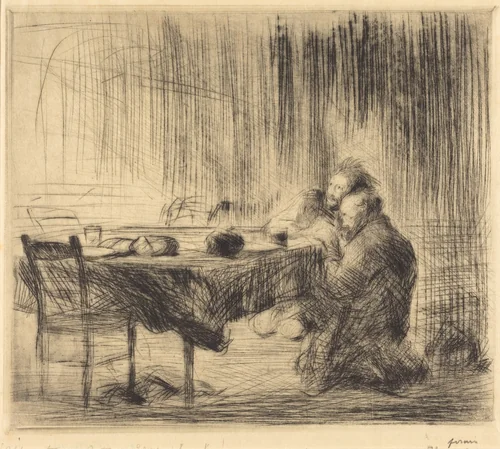
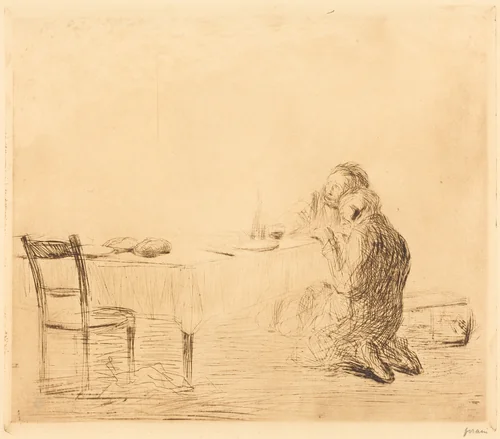
Forain possessed a sophisticated command of various media, frequently utilizing oils, watercolour, pastel, and printmaking techniques to capture the social dynamics of fin-de-siècle Paris. His subject matter was rooted in the observational life of the city, focusing particularly on the theater, the courtroom, the opera, and the often-harsh realities obscured beneath aristocratic façades. Unlike the bright, pastoral scenes favored by some contemporaries, Forain specialized in the rapid, immediate capture of intimate moments and the complex power struggles of modern urban existence.
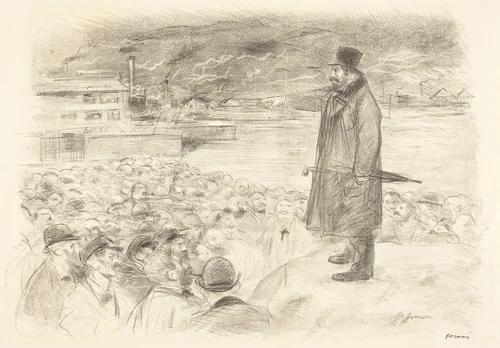
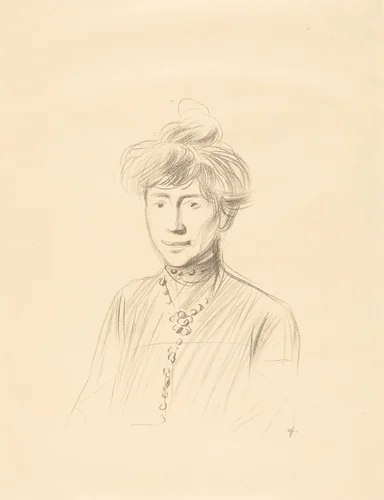
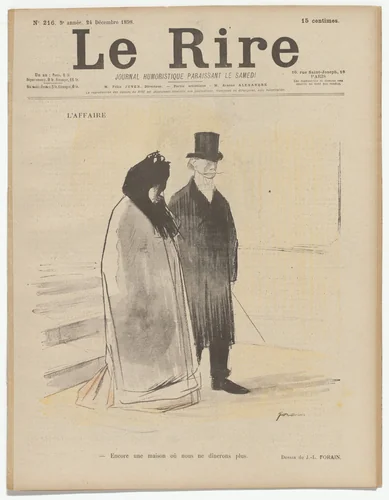
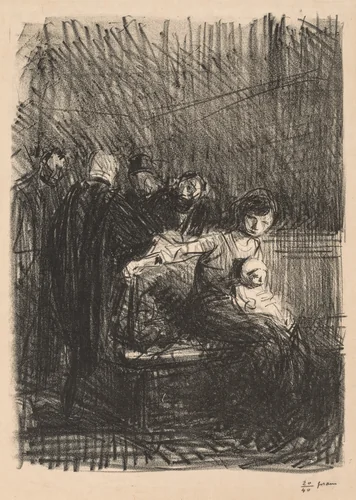
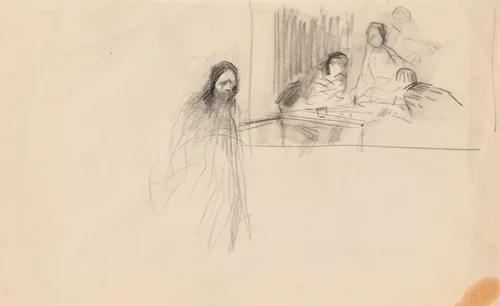
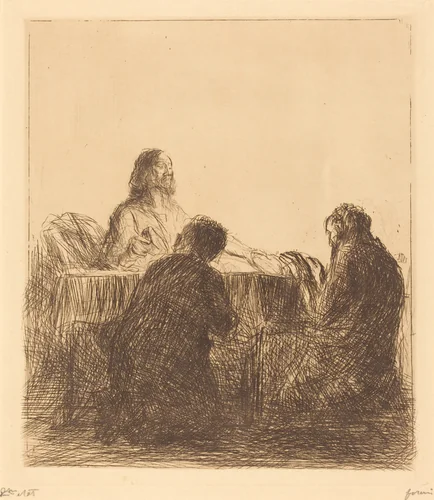
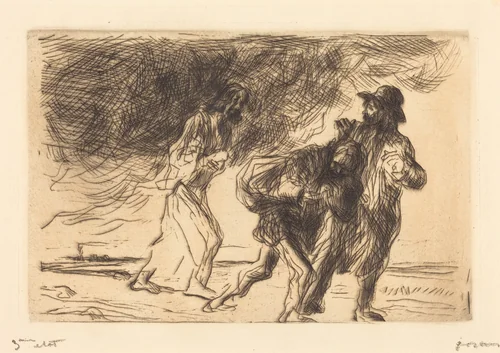
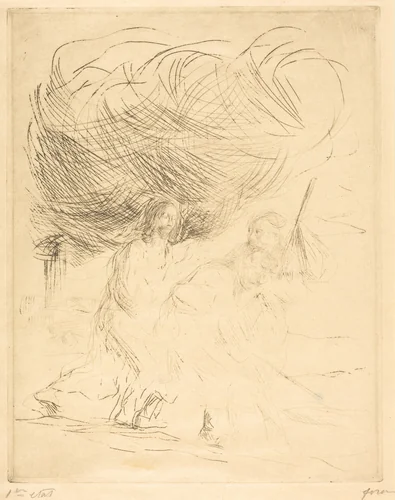
This deft, immediate line quality is evident in his observational studies, such as At an Evening Party, and in the journalistic vigor of later works like The German troups received the formal order to spare private property. Forain’s keen eye for the absurdities of class distinction was often rendered with a dry, penetrating wit that elevates his illustrations beyond mere reportage. One can find this expressive urgency equally in his pastels and in his detailed Jean-Louis Forain prints.
Despite the initial disparity between his contemporary fame and his subsequent critical ranking, the high quality of Forain's prolific output remains undisputed. His commitment to drawing served as a significant artistic bridge between the fleeting light of Impressionism and the graphic power of early twentieth-century illustration. Today, major institutions, including the National Gallery of Art and the Cleveland Museum of Art, hold significant examples of his work, preserving their museum-quality status. Due to the historical documentation and enduring visual appeal found in many of his images, a substantial portion of his catalog is now in the public domain, making high-quality reproductions and downloadable artwork widely accessible for researchers and collectors alike.
Source: Wikipedia · CC BY-SA 4.0