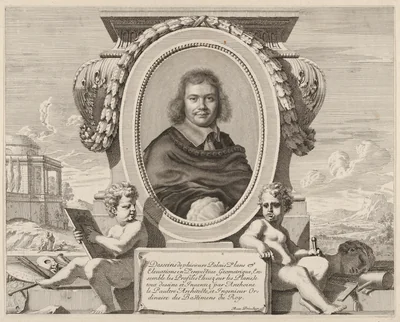
Jean Lepautre
Jean Lepautre (1618-1682) stands as one of the most prolific and influential French designers and engravers of the 17th century. Active from 1618, his output helped define and popularize the emerging stylistic grandeur of the early Baroque period under Louis XIV. Lepautre was also the patriarch of a distinguished artistic clan, counting the esteemed architect Antoine Le Pautre as his younger brother and the later engravers Pierre and Jacques Le Pautre, and sculptor Pierre Lepautre, among his direct relations.
Lepautre’s foundational education rooted him firmly in the practical arts. Apprenticed to a carpenter and builder, he acquired expert mechanical and constructive skills that underpinned his later career. Unlike many peers trained solely in the academic drawing tradition, Lepautre possessed an innate understanding of how design translated into material reality, a crucial insight evident in his remarkable facility with the pencil and, subsequently, the burin. This rare combination of constructive knowledge and artistic flair lent his ornamental work a structural integrity that designers focusing purely on surface aesthetics often lacked.
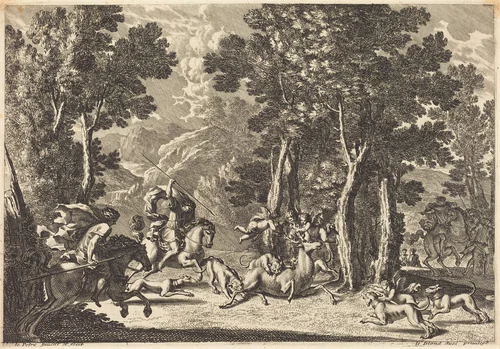
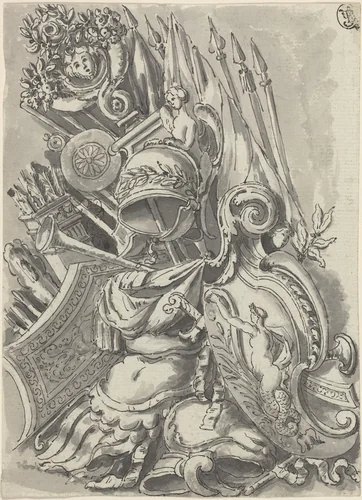
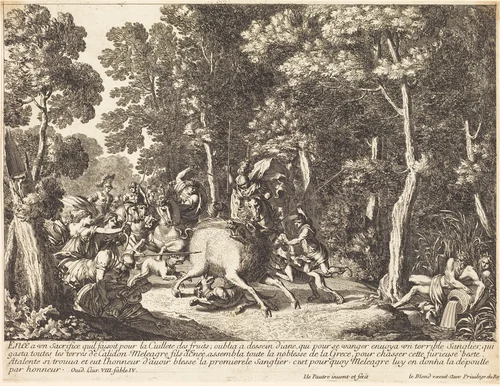
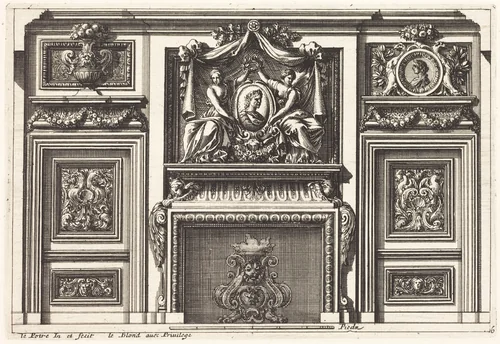
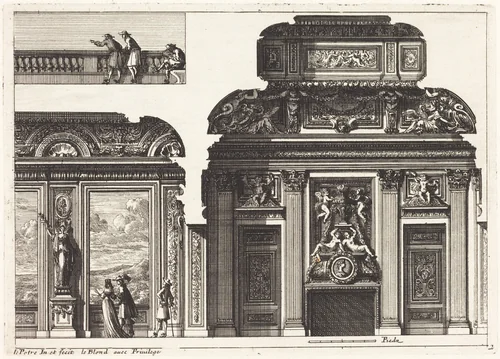
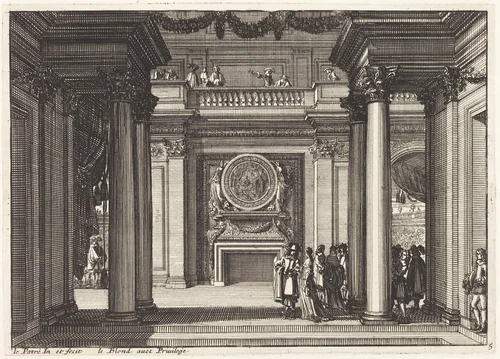
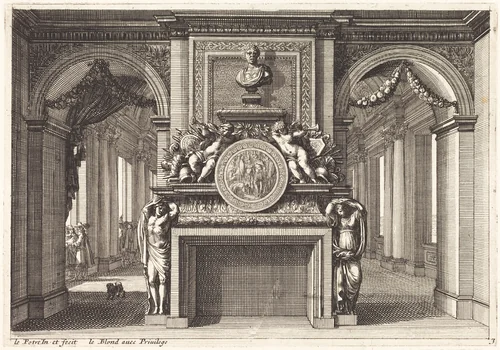
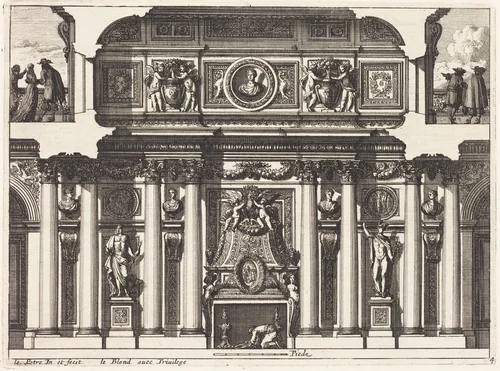
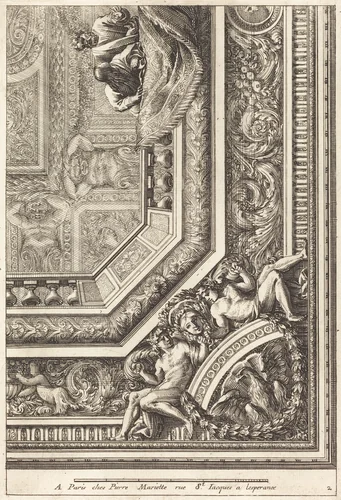
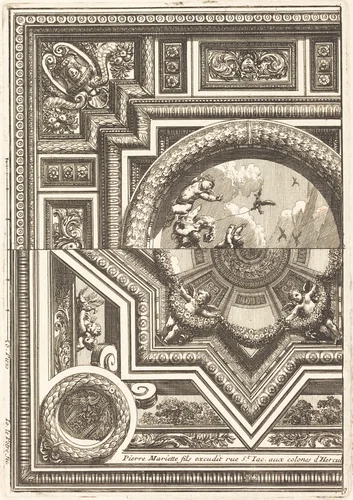
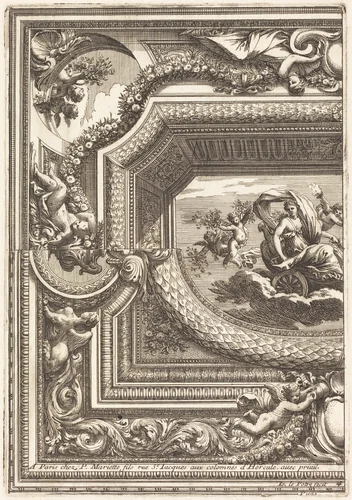
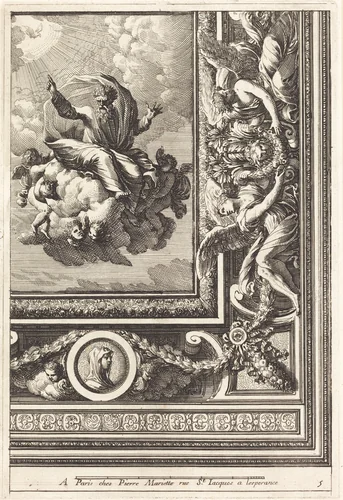
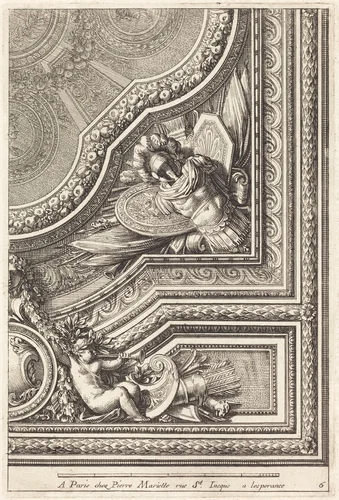
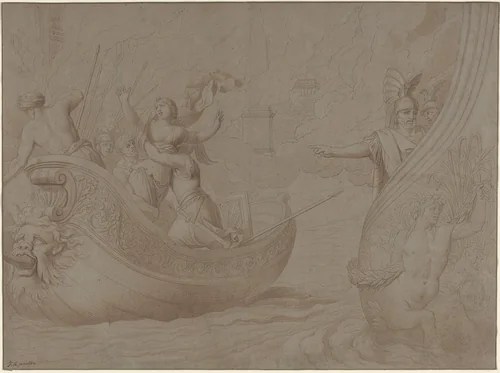
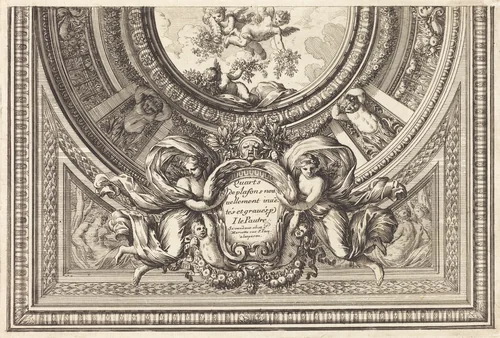
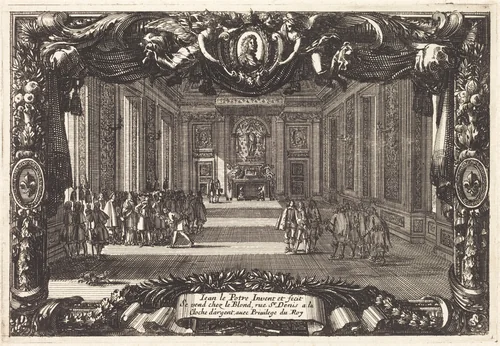
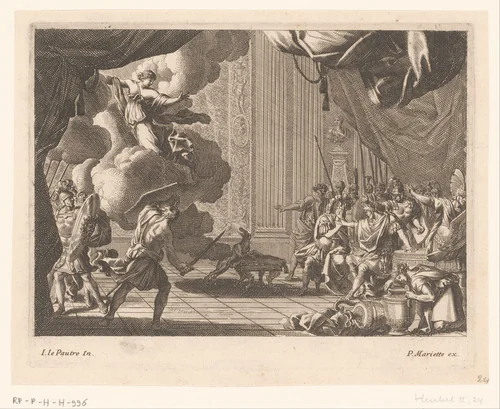
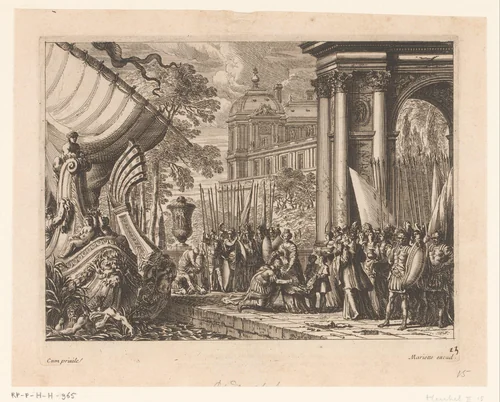
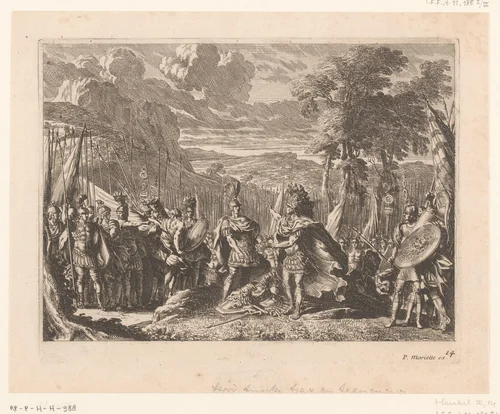
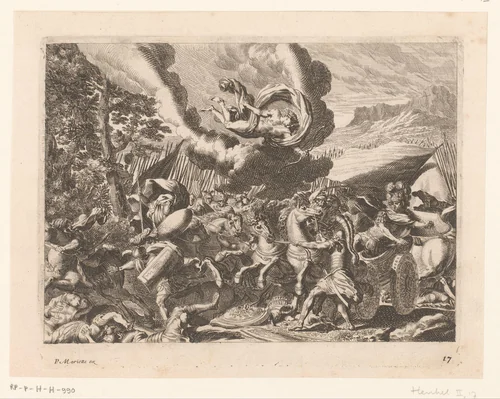
As an engraver, Lepautre’s primary legacy resides in the thousands of plates he produced, effectively serving as the chief disseminator of contemporary French taste. His corpus ranges from mythological hunting scenes, such as Atlanta and Meleager Hunting the Boar of Calydon, and military depictions like A Trophy of Arms and A Stag Hunt, to practical architectural volumes. The most significant of these are the intricate series cataloging interior elements, including the highly influential sets detailing Fireplaces and Other Interior Decorations. These high-quality prints became essential reference manuals for artisans and builders across Europe, ensuring his vision permeated continental decorative arts.
Thirteen of his original prints and two drawings are housed in major institutional collections, including the National Gallery of Art. Due to the historical timing of his career, many of his masterful etchings now reside in the public domain. This affords contemporary access to these influential designs, ensuring that Lepautre’s sophisticated, often royalty-free decorative schemes remain visible and available as museum-quality resources for students and designers today.
Source: Wikipedia · CC BY-SA 4.0