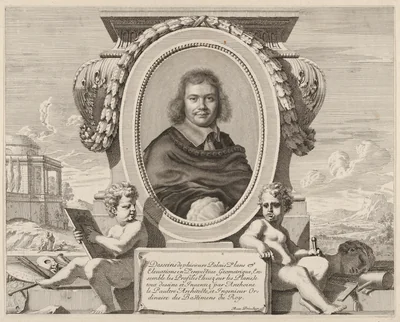
Jean Le Pautre
Jean Le Pautre (c. 1600-1618) stands as the foundational figure of a remarkable French artistic dynasty, bridging the technical demands of construction with the elegance of refined draftsmanship. The elder brother of the celebrated architect Antoine Le Pautre, and father and uncle to succeeding generations of distinguished engravers and sculptors, Jean established his early reputation primarily as a designer and influential printmaker.
Initially apprenticed to a carpenter and builder, Le Pautre’s education fostered a crucial duality: a deep, practical understanding of mechanical and constructive methods combined with a significant facility for drawing. This unique background allowed his subsequent printed designs to function not merely as decorative proposals but as structurally viable blueprints for interior and exterior ornament.
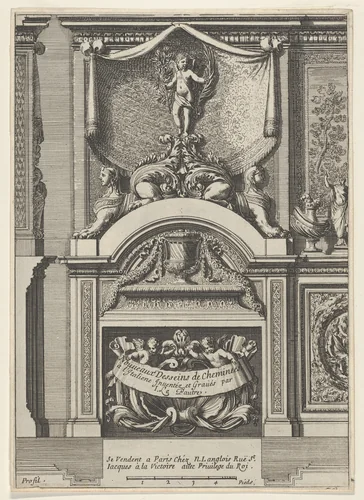
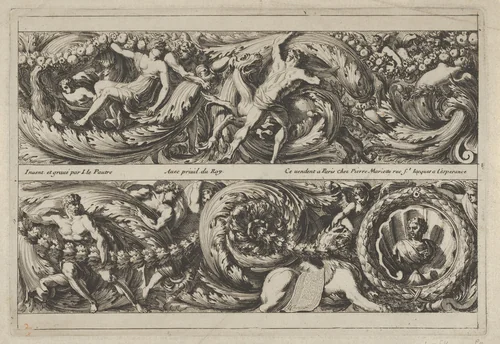
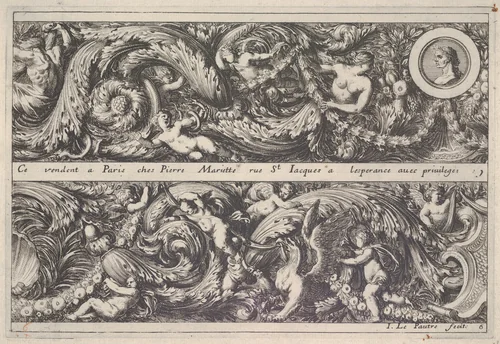
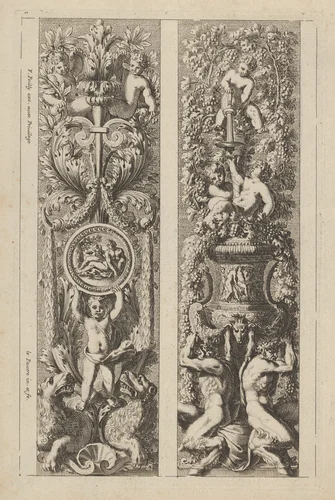
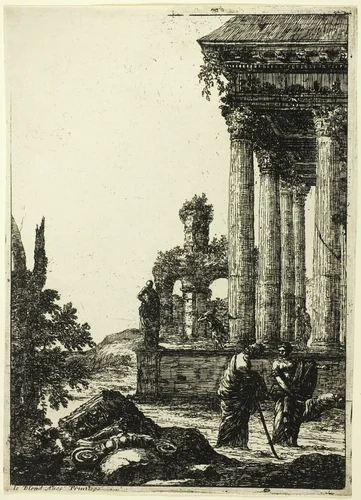
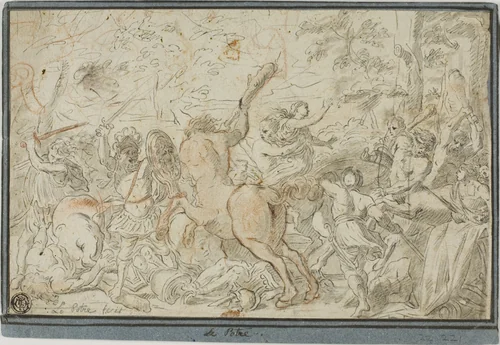
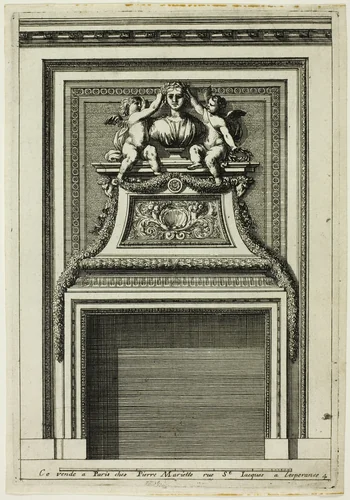
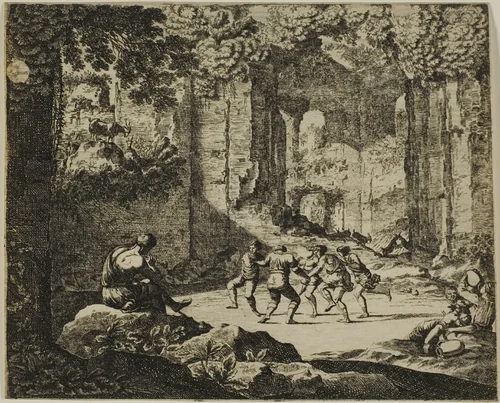
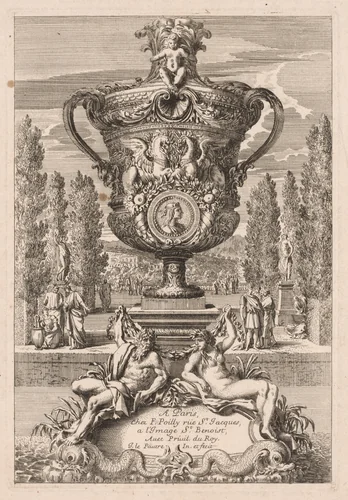
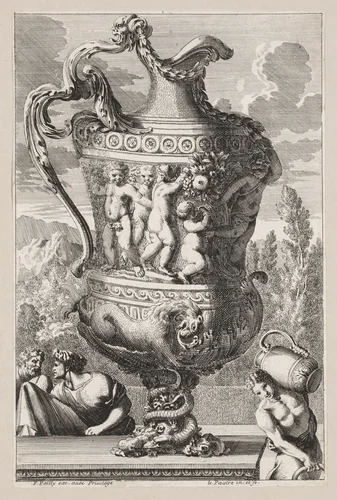
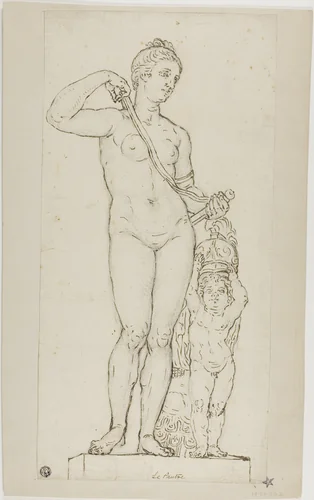
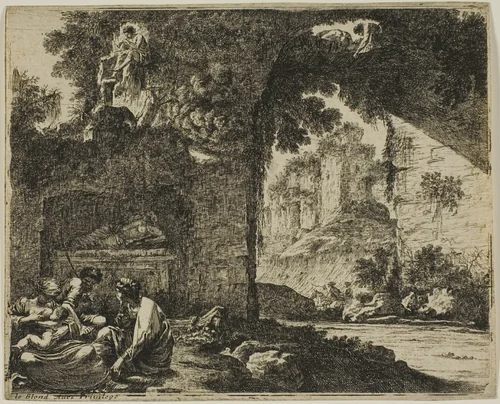
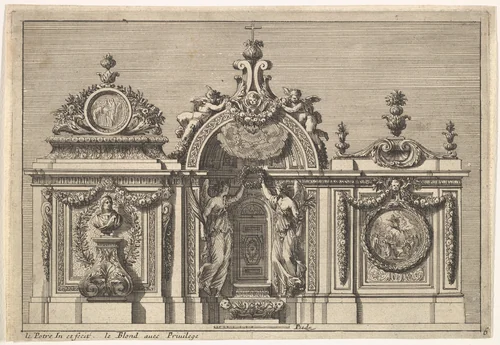
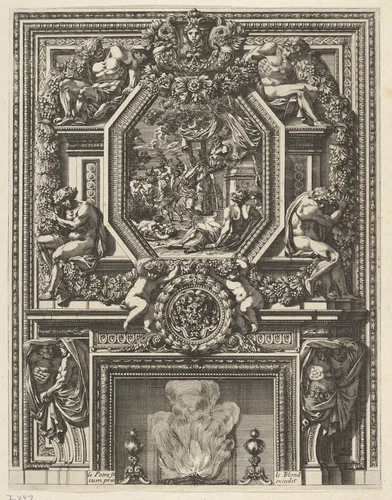
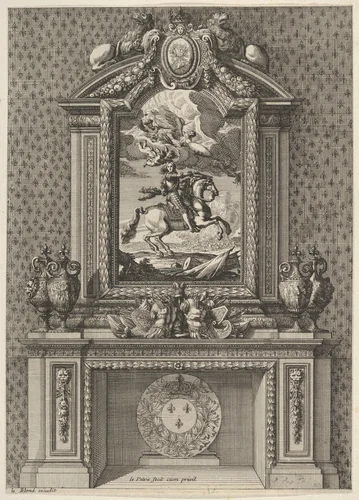
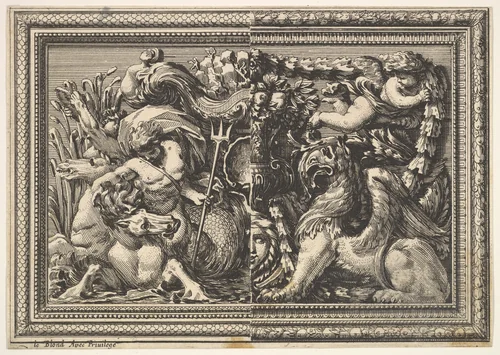
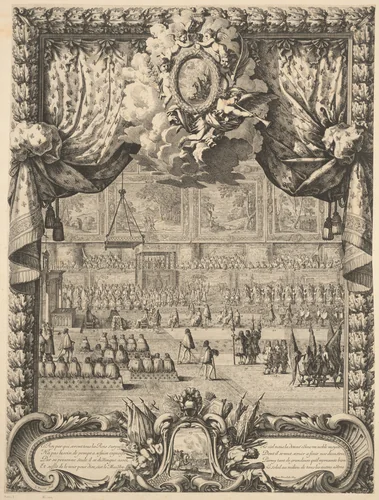
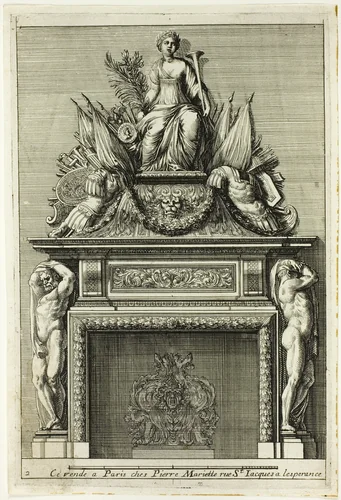
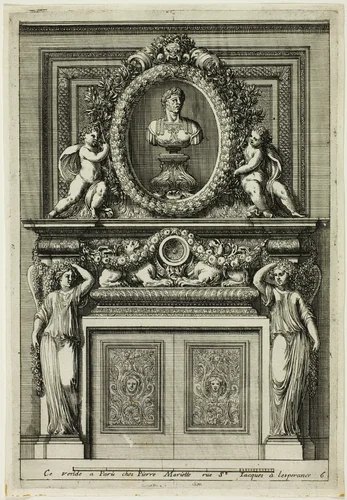
Le Pautre’s chief influence derives from the extensive dissemination of his ornamental repertoire through etching and engraving. His catalogue, which includes at least twelve known prints and two drawings now held in major collections such as the Metropolitan Museum of Art, illustrates a mastery of both classical and contemporary decorative motifs. He specialized in complex architectural components, including intricately decorated terms, mythologically infused figures, and detailed friezes, as exemplified by pieces like the Frieze with Acanthus Scrolls and a Man (Hercules?) fighting a Lion and the elaborate designs for terms found in Curieuses recherches de plusieurs beaus morceaus d'ornemens antiques et modernes (...).
His suites of Jean Le Pautre prints provided essential source material for contemporary artisans and architects, effectively defining the decorative vocabulary of early 17th-century French interiors. The sheer volume and professional demand for his work is confirmed by the subsequent publication of his collected Oeuvres across four comprehensive volumes.
While Le Pautre himself may have been trained for the workshop, his true impact was felt far beyond the building site, propagating the latest stylistic innovations across Europe via the printing press. It is an interesting observation that the man who trained as a builder ultimately laid the foundation for future generations of celebrated designers not with stone, but with ink on paper. Today, the enduring influence of his designs ensures their continued relevance for scholarly inquiry. Much of this detailed and historically significant output has entered the public domain, meaning that the full complexity and technical skill present in these high-quality prints are readily available as downloadable artwork for researchers and enthusiasts worldwide.
Source: Wikipedia · CC BY-SA 4.0