Jean Le Blond
Jean Le Blond was a printmaker active during the late 17th century, with a documented working period spanning 1650 to 1688. Le Blond’s documented output focuses primarily on the medium of prints, displaying a technical versatility in both subject matter and execution.
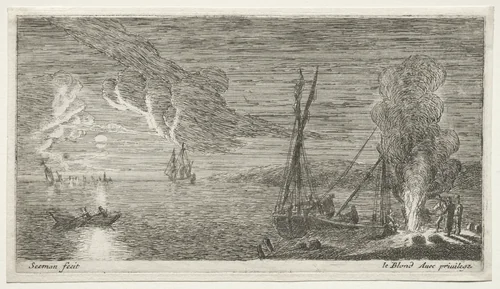
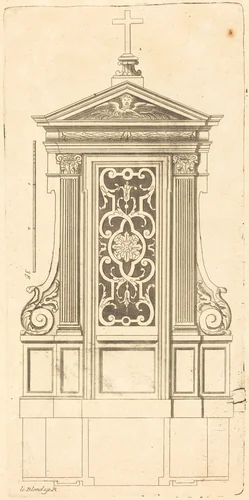
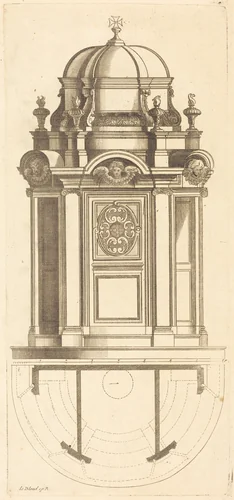
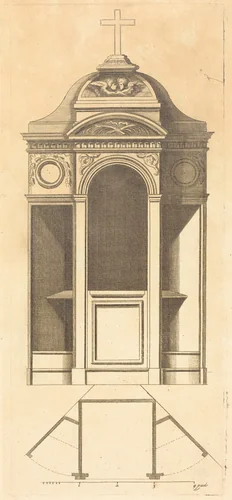
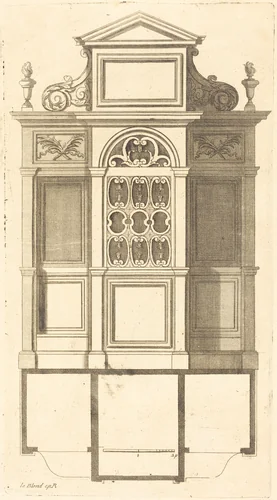
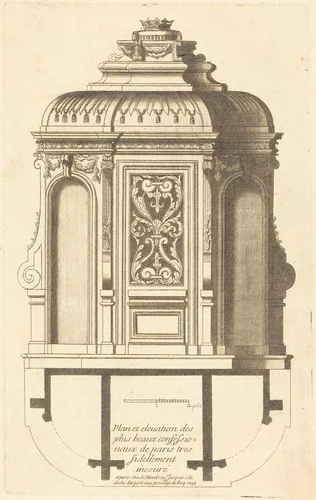
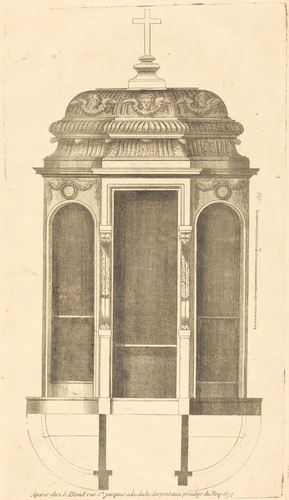
The extant works represented in institutional holdings indicate a dual focus for the artist. On one hand, Le Blond produced studies such as A Bonfire and Moonlight, suggesting an interest in dramatic light sources and atmospheric effects. On the other, the repeated appearance of the detailed architectural design Plan et elevation des plus beaux confessionnaux de Paris, tres fidelemant mesure points to a sustained involvement in technical documentation and the reproduction of contemporary design standards.
Seven known Jean Le Blond prints are represented in major international collections, establishing the artist’s historical relevance. These holdings include works preserved at the National Gallery of Art and the Cleveland Museum of Art. As a 17th-century artist, much of Le Blond’s work rests securely in the public domain, making high-quality prints and related imagery widely accessible for scholarly research and appreciation.