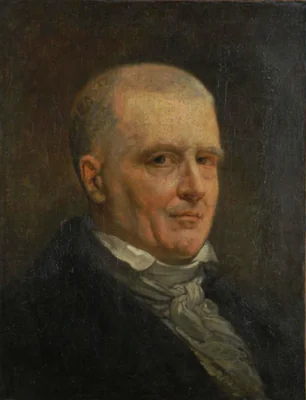
Jean Honoré Fragonard
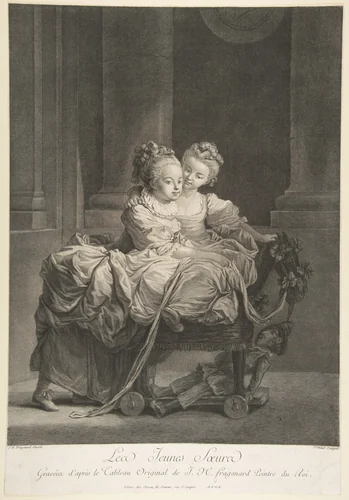
Jean-Honoré Fragonard stands as the definitive French painter and printmaker of the late Rococo period, an artist whose manner was immediately recognizable for its sheer exuberance, remarkable technical facility, and overarching spirit of hedonism. Active in the final decades of the Ancien Régime, Fragonard was exceptionally prolific, producing an estimated 550 Jean Honoré Fragonard paintings and numerous graphic works that encapsulate the luxurious leisure of the era preceding the French Revolution.
One of the more intriguing characteristics of his vast output is the fact that only a handful of his canvases are securely dated, suggesting an artist less concerned with archival posterity than with the immediate, spontaneous capture of mood and sensation. His most popular works were genre paintings that masterfully navigated the boundaries of intimacy and veiled eroticism, utilizing rapid, luminous brushwork to convey movement and light. Fragonard excelled at capturing the joie de vivre of his aristocratic patrons, celebrating a world of pleasure and refined sensuality.
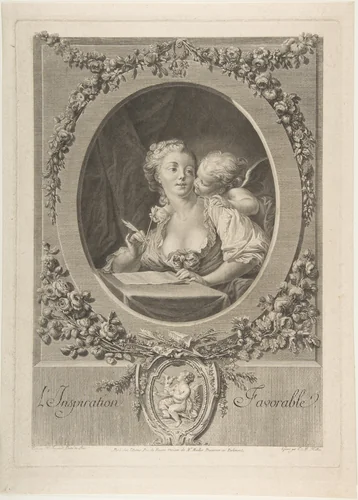
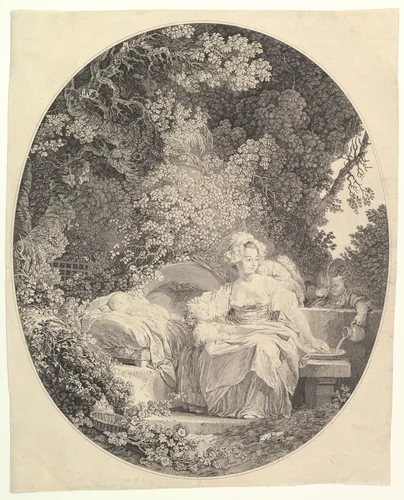
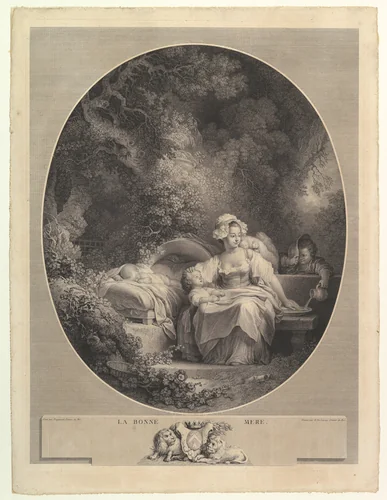
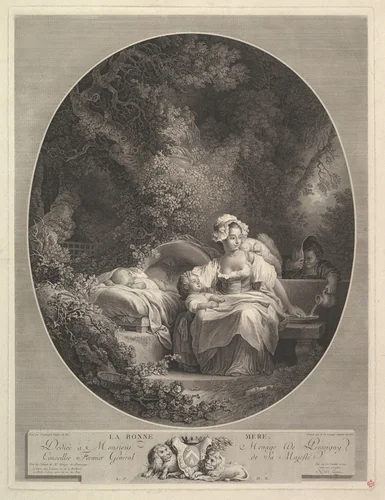
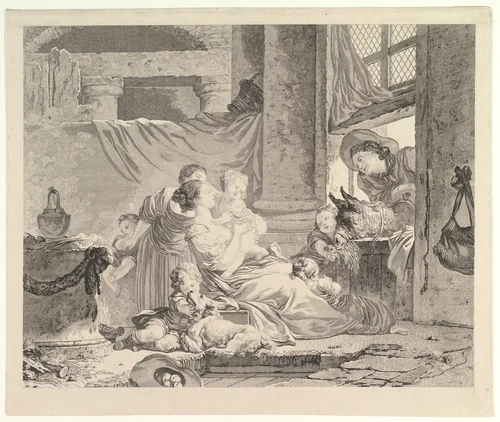
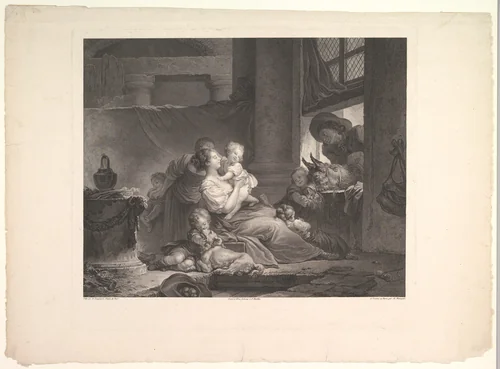
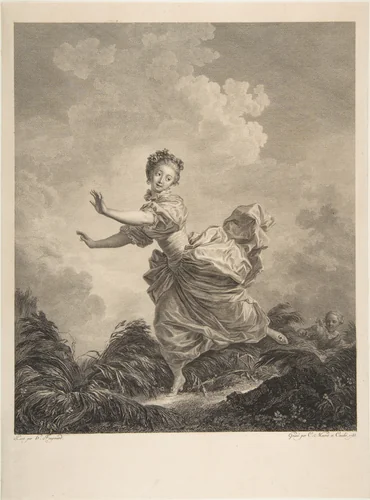
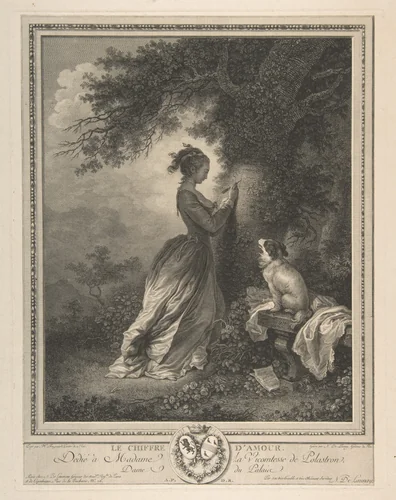
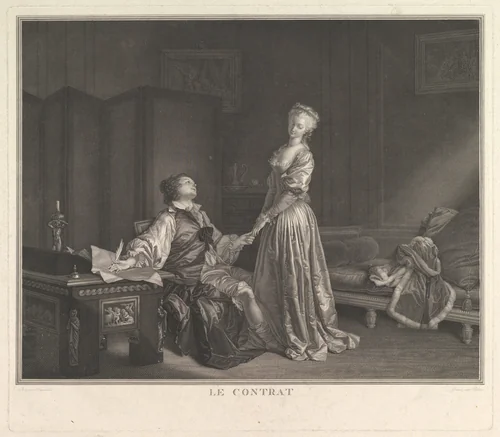
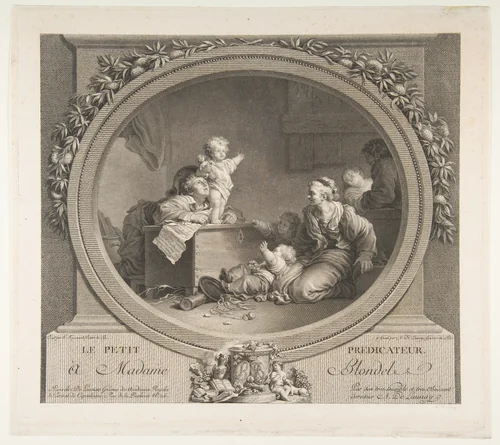
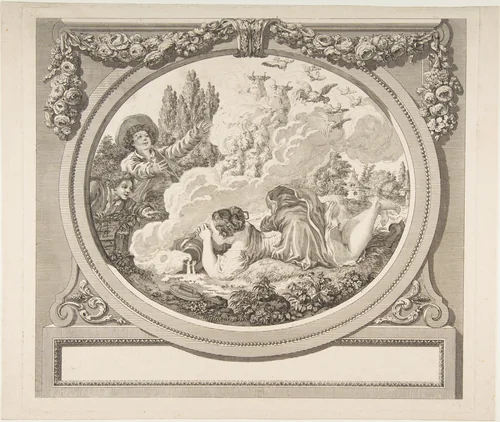
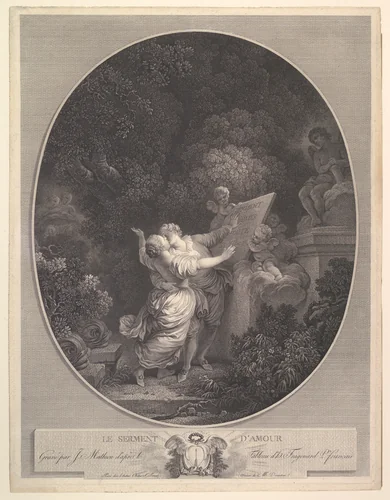
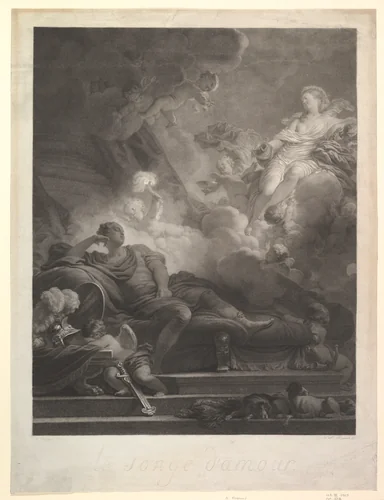
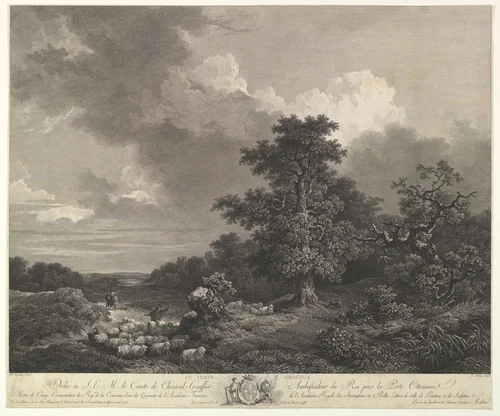
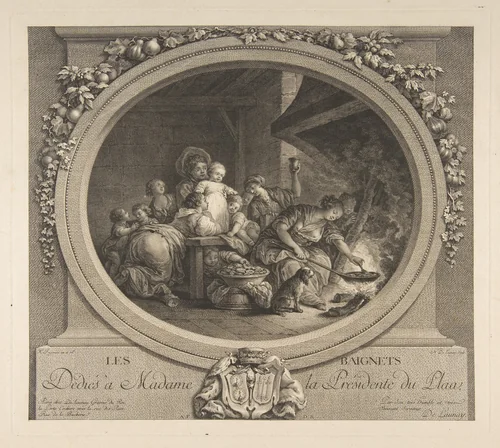
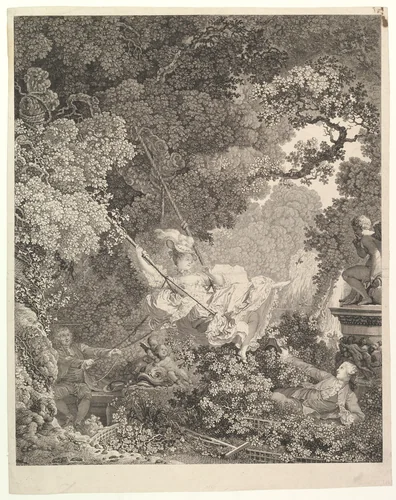
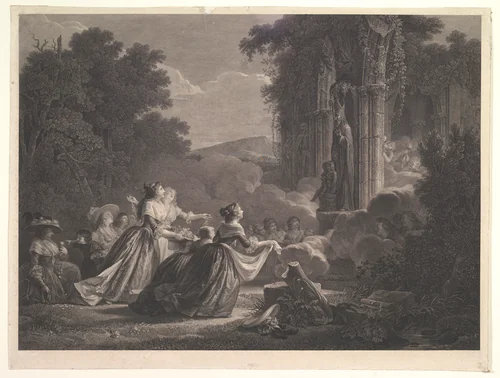
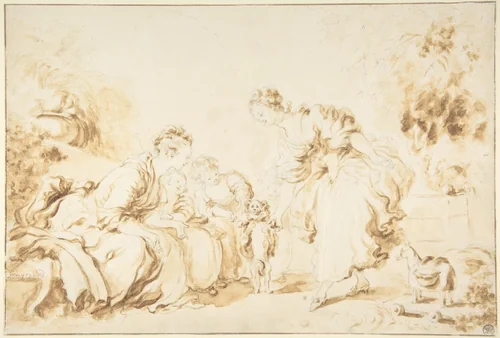
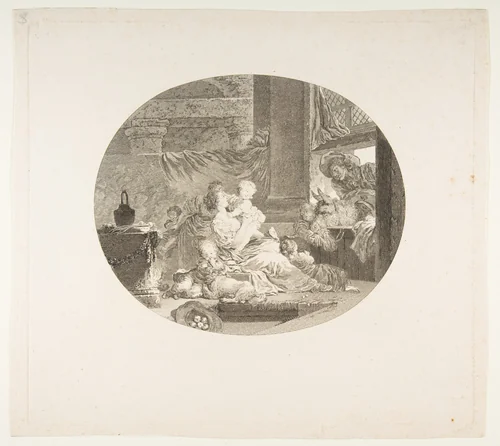
Fragonard was equally significant as a draftsman and printmaker. His graphic works, including specific studies such as Mary Magdalene and the complex allegorical plates L'hermite (Le diable en enfer) and the two related plates from the series La fiancée du roi de Garbe, reveal the same energetic line quality and fluid composition found in his paintings. This versatility secured his influential position in Parisian artistic circles throughout the latter half of the eighteenth century.
Today, Fragonard’s lasting legacy is preserved in major institutions globally, including the Metropolitan Museum of Art and the National Gallery of Art. His work transitioned seamlessly into the modern museum-quality collection, and much of his catalog is now in the public domain, allowing for free and downloadable artwork that confirms his status as one of the most technically gifted visual poets of his age.
Source: Wikipedia · CC BY-SA 4.0