Jean-Etienne Liotard
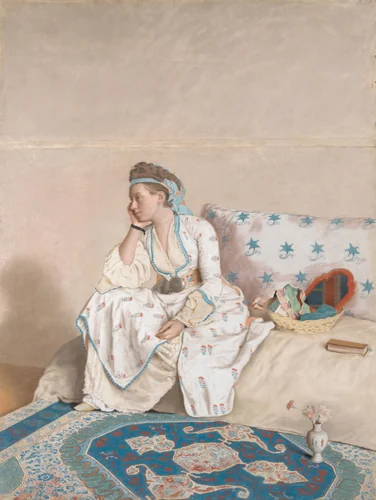
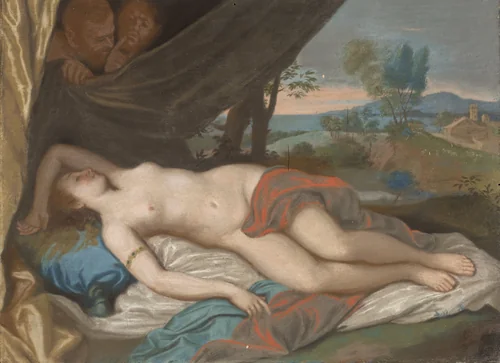
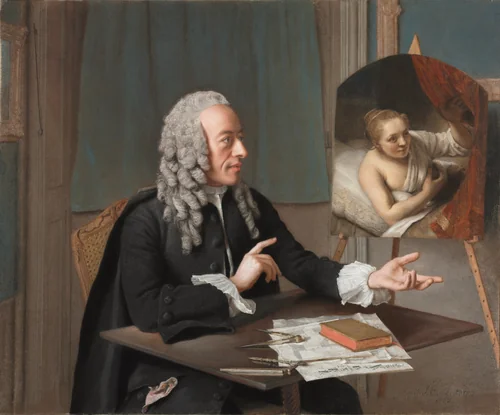
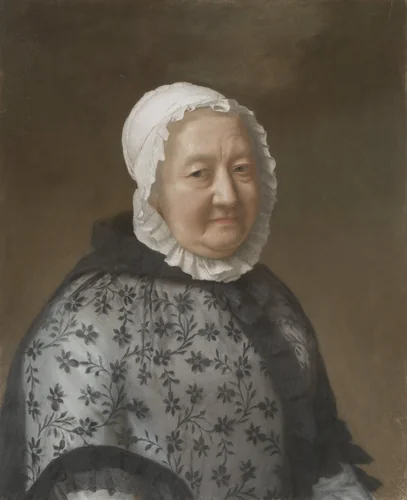
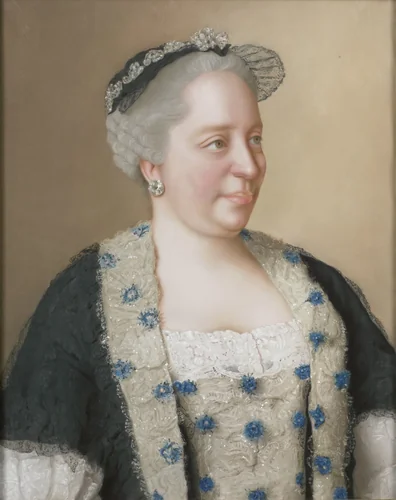
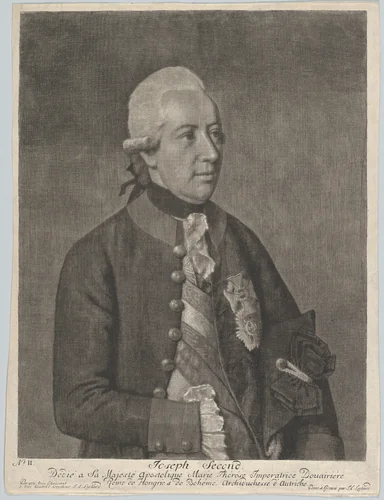
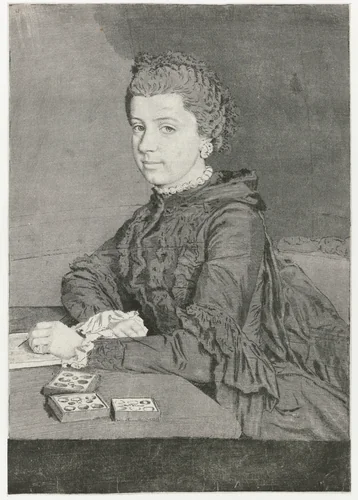
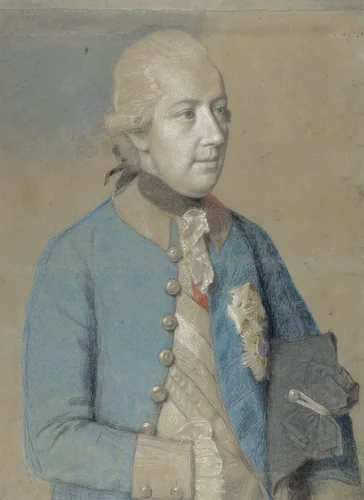
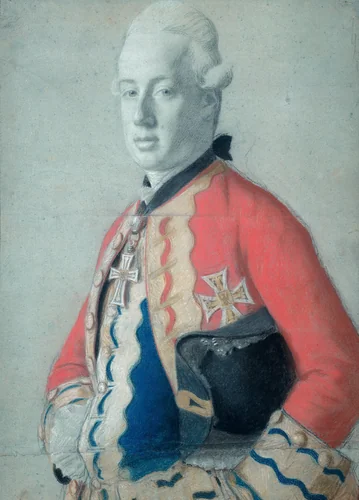
Jean-Étienne Liotard (or Giovanni Stefano Liotard) stands among the most celebrated portraitists of the eighteenth century, renowned for his exceptional mastery of pastel. A Genevan master born to French Huguenot exiles, he was a prolific figure: not only a gifted pastellist and painter but also a pioneering printmaker, art theorist, and astute dealer. His extensive active period, generally spanning 1720 to 1749, saw him embrace a strikingly detailed, almost photographic naturalism, setting his style apart from the dominant Rococo elegance of his contemporaries.
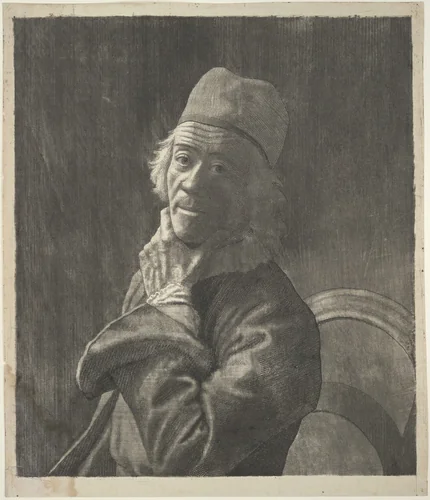
Liotard was an inveterate traveler whose career mapped the cultural capitals of Europe and the Near East. His pursuit of commissions took him across major centers, including Rome, Paris, Vienna, London, and Amsterdam. Most famously, a protracted sojourn in Istanbul cemented his reputation for meticulous Orientalist scenes of Turkish life. This exposure earned him the nickname "The Turkish Painter," a persona he often maintained by wearing Turkish dress even after his return to Western Europe. This choice lends his self-portraits, such as Self Portrait as a Young Man, an undeniable charm and subtle, conscious wit.
Central to Liotard’s philosophy was the conviction that painting should serve as "a mirror of nature." He codified this rigorous belief in his influential text, Traité des Principes et règles de la Peinture. This dedication to verisimilitude is evident in intimate character studies like Portrait of Marc Liotard-Sarasin and in his skilled academic drawings, including reproductive studies such as Apollo and Daphne, after Lorenzo Bernini’s Marble Group in the Galleria Borghese, Rome, and The Three Graces, after the Antique Marble Group in the Galleria Borghese, Rome.
His contributions ensured that Jean-Etienne Liotard paintings and Jean-Etienne Liotard prints remain vital components of major institutional holdings worldwide, including the Rijksmuseum and the Metropolitan Museum of Art. Because many of his works now reside within the public domain, they are accessible as high-quality prints and downloadable artwork, confirming his status as a European master whose clarity of vision continues to resonate.
Source: Wikipedia · CC BY-SA 4.0