Jean Duvet
Jean Duvet (c. 1485 – c. 1570), a French Renaissance goldsmith and engraver, holds the crucial distinction of being the first significant printmaker to emerge from the French tradition. Though his period of activity is often cited narrowly between 1470 and 1480, Duvet’s highly individualistic output, comprising approximately seventy-three known plates, established a profoundly personal and intensely spiritual style within the nascent field of Northern European engraving.
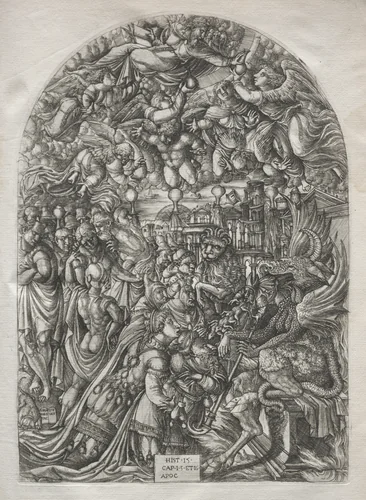
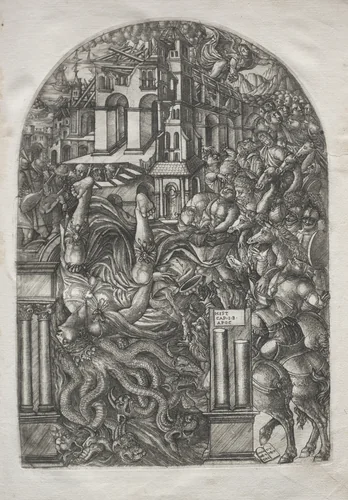
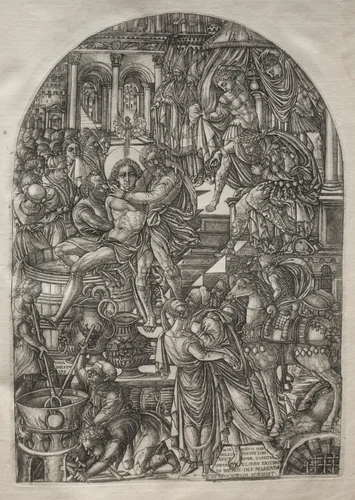
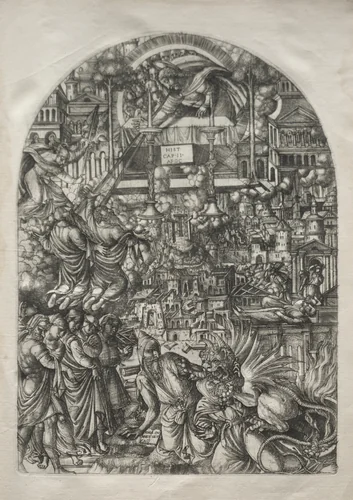
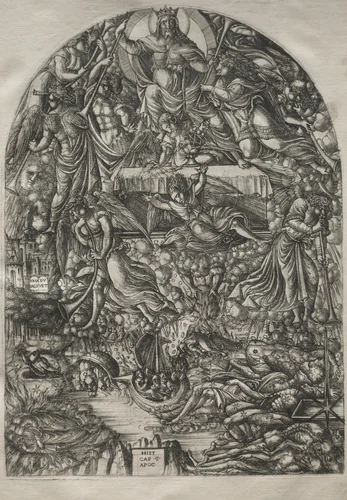
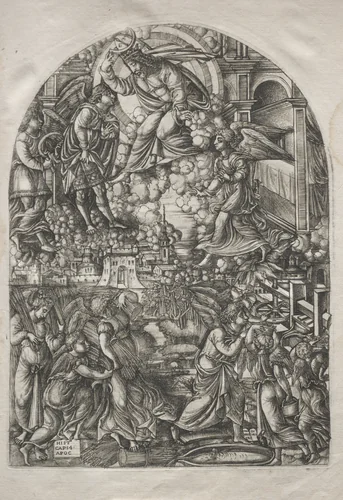
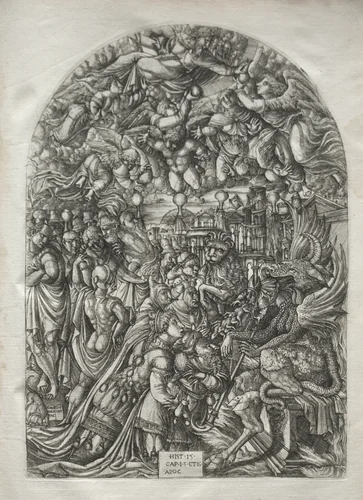
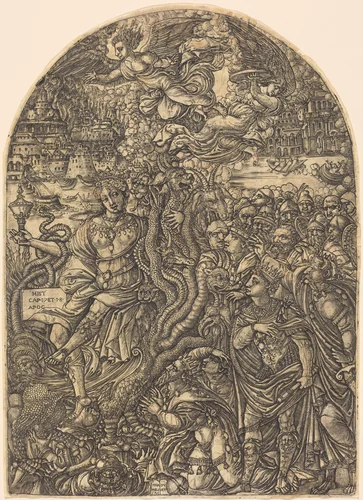
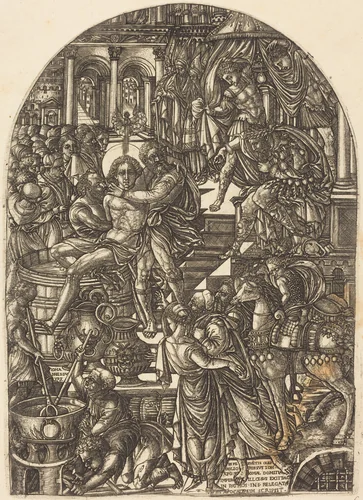
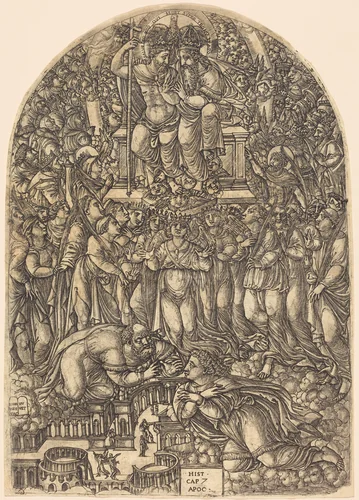
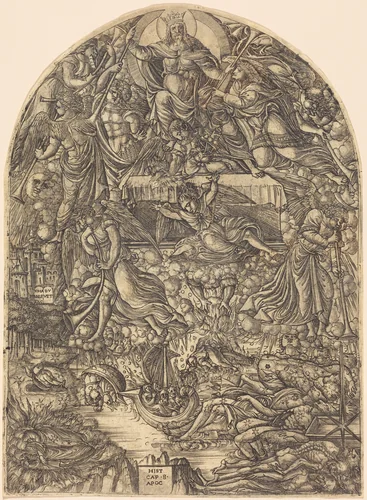
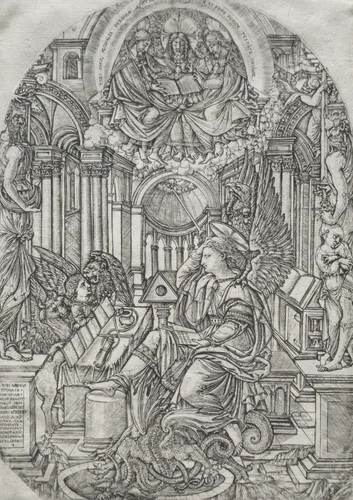
Trained initially as a goldsmith, Duvet brought a meticulous and often dizzyingly crowded aesthetic to his compositions, most notably his comprehensive series illustrating the Apocalypse. His engravings, unlike the more classically balanced works of his Italian contemporaries, are characterized by densely packed figures and a dramatic, sometimes naive quality that prioritizes visceral emotional expression over strict spatial adherence. Art historian Henri Zerner famously praised Duvet’s graphic output for its "freedom and immediacy that have no equivalent in Renaissance printmaking." This idiosyncratic approach, often compared to the later visionary work of William Blake, suggests an enduring and deeply prophetic quality in Duvet’s graphic imagination.
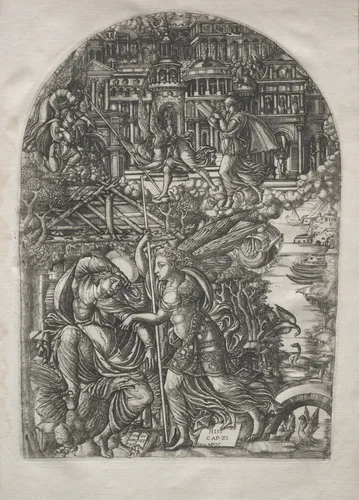
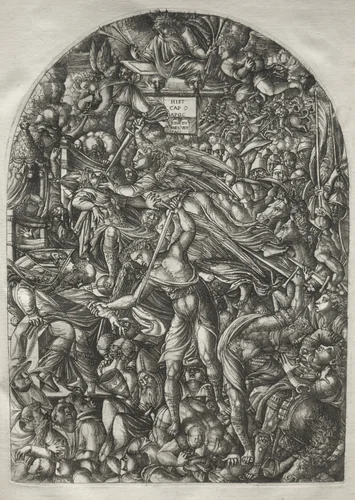
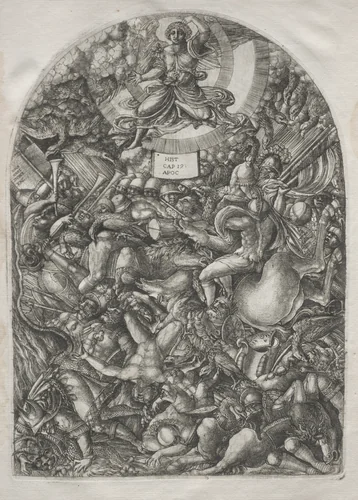
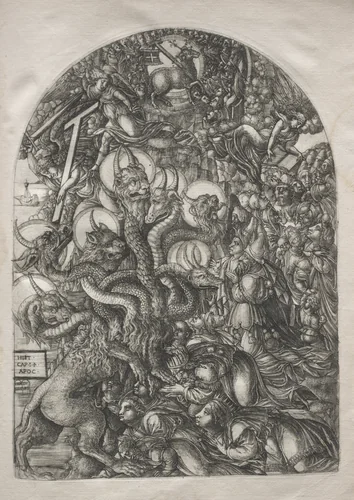
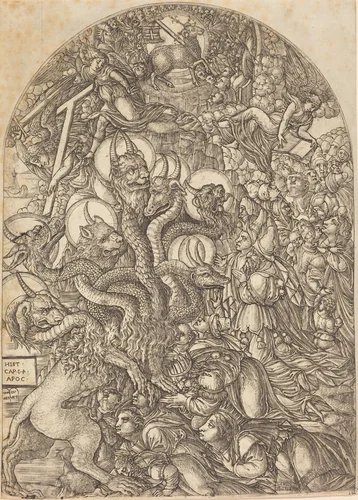
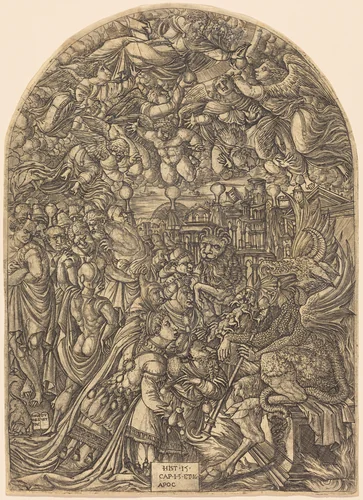
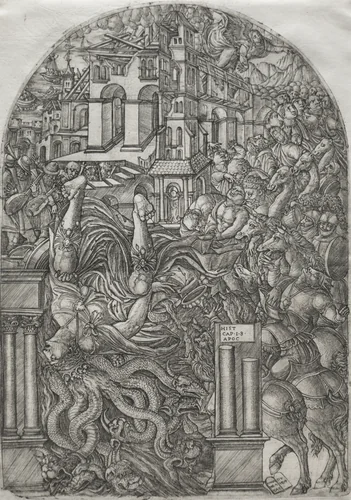
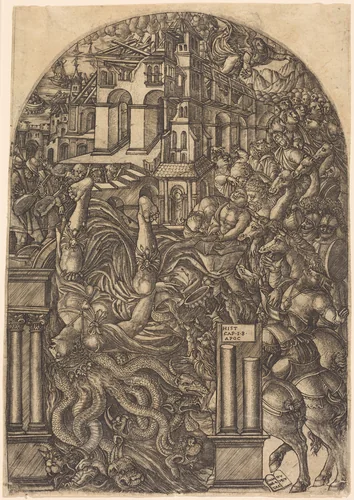
The fifteen engravings dedicated to the Apocalypse remain his most celebrated achievement, featuring complex and powerful scenes such as A Star Falls and makes Hell Open and The Dragon with two Horns and the Beast with Seven. These works, recognized for their graphic intensity and theological drama, secured his reputation. Today, original prints are held in major international institutions, including the Metropolitan Museum of Art, and they are frequently reproduced as museum-quality high-quality prints for scholarly study and public appreciation. Many of these historically significant Jean Duvet prints now reside in the public domain.
A subtle layer of biographical mystery enhances the artist's legacy. While his artistic identity is clear, historical specifics regarding his later life remain debated, particularly the question of whether he was the same Jean Duvet from Dijon who spent a crucial sixteen-year period within the militantly Calvinist city-state of Geneva. Regardless of his exact political or religious affiliations, Duvet left an indelible mark as a singular innovator whose graphic vocabulary fundamentally shaped French printmaking, bridging the late Gothic sensibility with the Renaissance spirit.
Source: Wikipedia · CC BY-SA 4.0