Jean Dassier
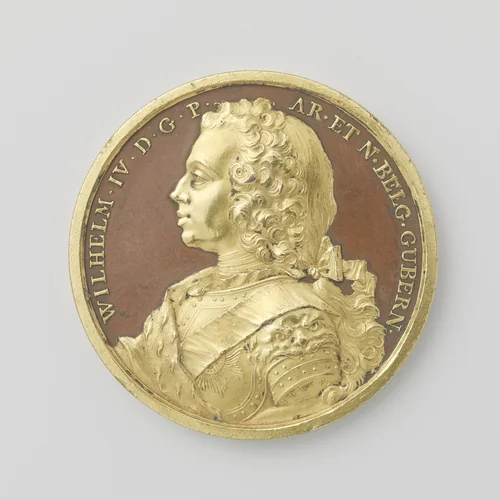
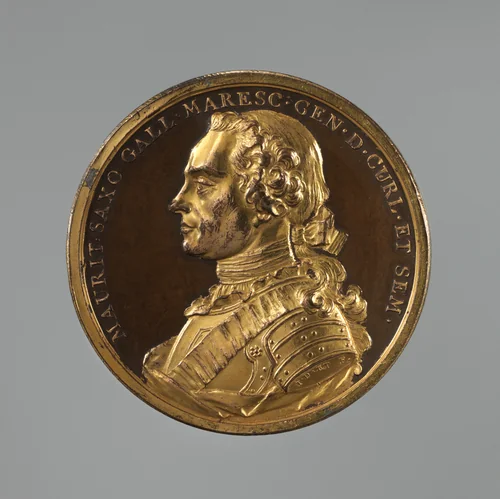
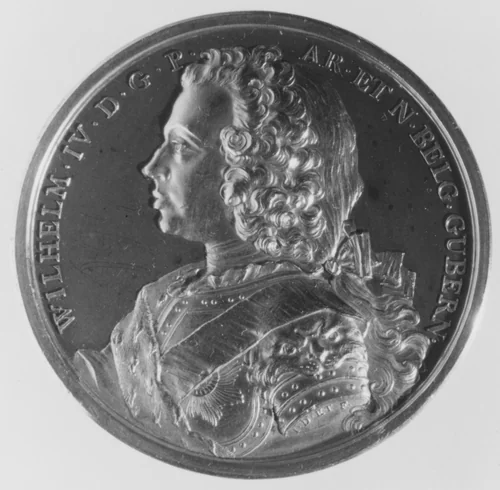
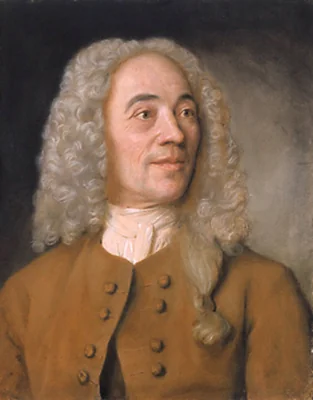
Jean Dassier (active 1721-1747) was a distinguished Genevan engraver and medallist whose precise technical skill established the benchmark for high-relief portraiture in early eighteenth-century Europe. Working primarily in metal, Dassier built a formidable reputation over two decades for the meticulous clarity of his strikes and the scholarly ambition of his medallic series. His output, though concentrated in a highly specialized medium, achieved international recognition and is now represented in leading collections globally, including the Rijksmuseum and the Metropolitan Museum of Art.
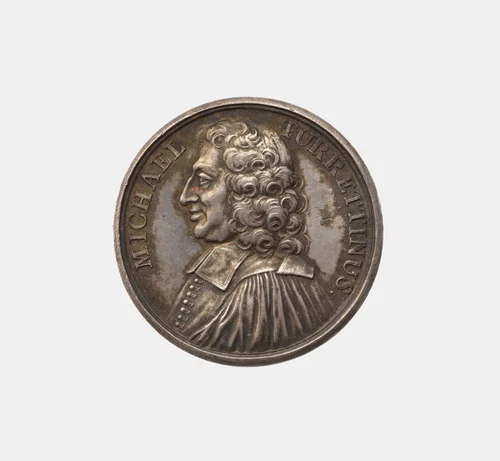
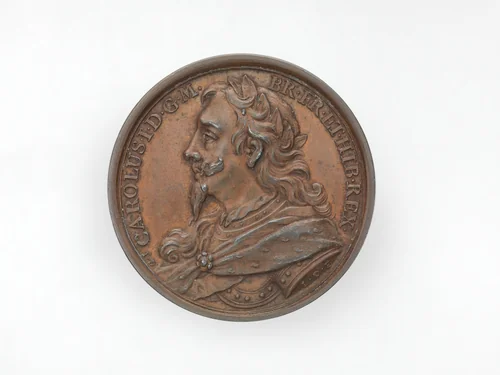
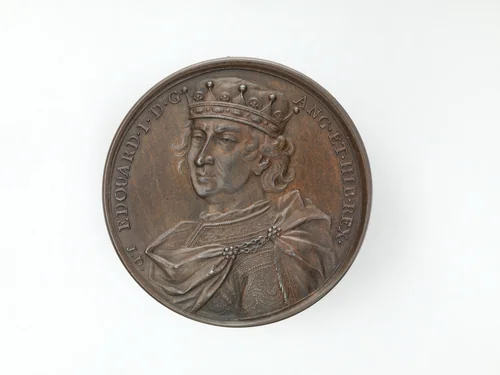
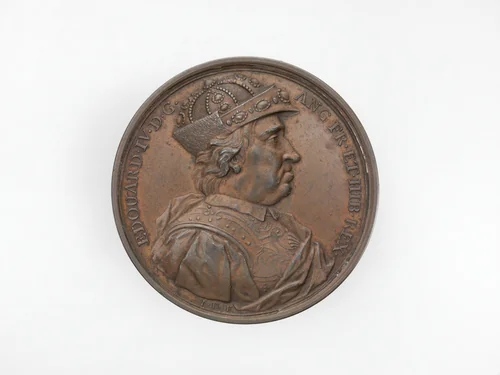
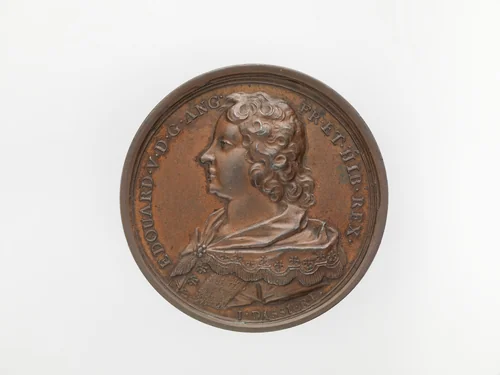
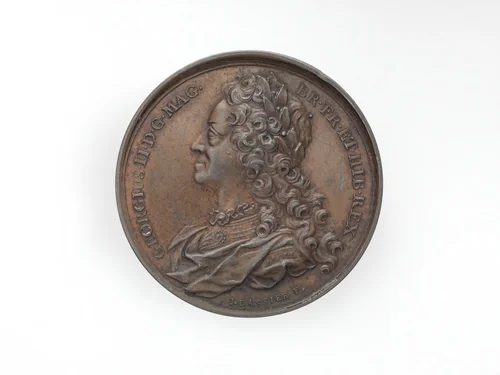
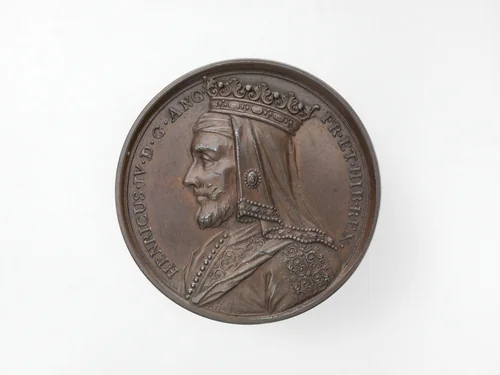
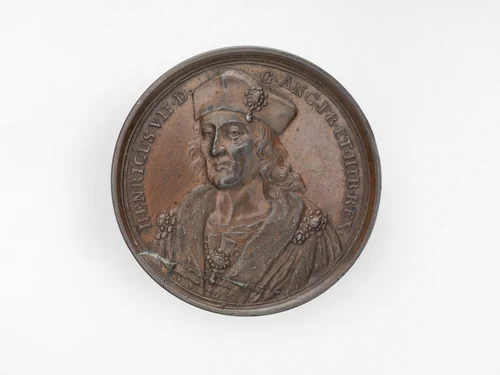
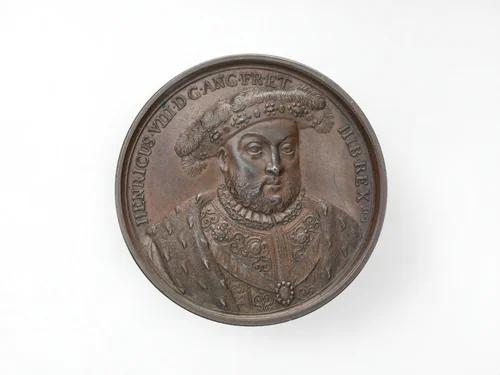
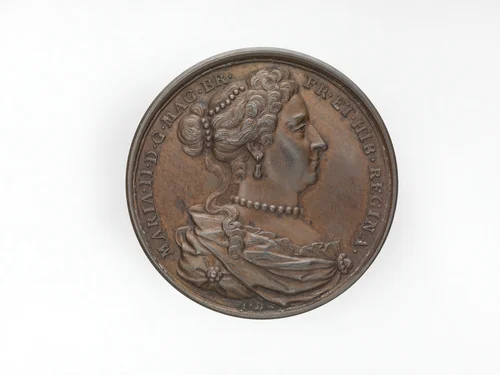
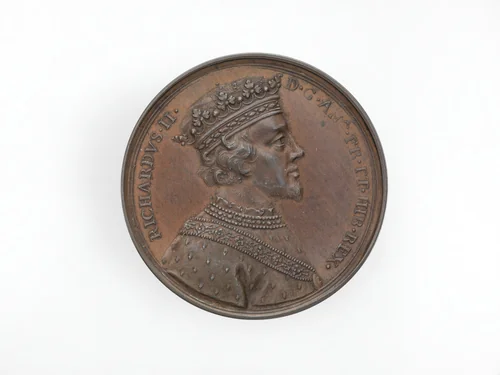
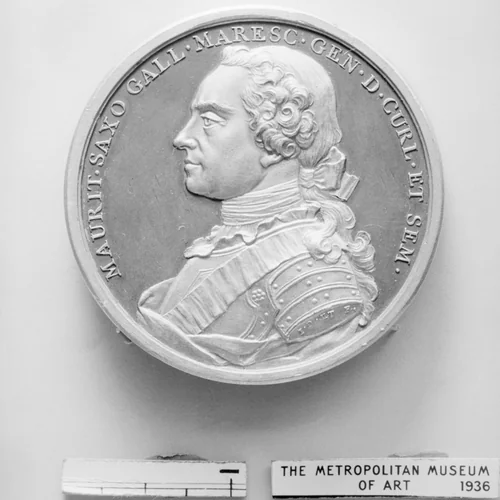
Dassier specialized in historically focused commissions, using the medal medium not merely for commemoration but as a vehicle for sustained historical documentation. This approach is best exemplified by his extensive portrait cycles, such as the ambitious series documenting the English Monarchs. Pieces like Edward I, Edward IV, and Edward V demonstrate his remarkable ability to translate authoritative historical imagery into the confines of a small, permanent sculptural format. Furthermore, his ability to define the character of contemporary figures, such as his portrait of the Genevan theologian Michael Turrettini (1646–1721), underscores his versatile talent across both historical subjects and living sitters. Observing the sheer volume of detailed medallic work produced during his relatively short active period, one realizes that Dassier must have possessed an almost unsettling efficiency, turning out historical rulers and significant thinkers with the same steady, unwavering precision.
Dassier’s metalworks are considered definitive museum-quality examples of Enlightenment-era numismatic art. His designs provided essential models that influenced subsequent generations of engravers and fine artists throughout the nineteenth century. While the extant record contains no Jean Dassier paintings, the linear precision of his medallic art makes the work highly adaptable for dissemination. Today, many of his striking portraits have entered the public domain, ensuring that this significant body of work remains accessible to modern scholars and enthusiasts. The quality inherent in his original designs is such that they are frequently translated into high-quality prints, allowing the detail captured in his low-relief portraits to be studied as downloadable artwork worldwide.
Source: Wikipedia · CC BY-SA 4.0