Jean Barbault
Jean Barbault (1715-1770) established a vital, decades-long career as a French painter, etcher, and printmaker operating primarily from Rome. Active during a high point of the city's classical rediscovery, Barbault served as an essential visual chronicler, recording the architecture, archaeological discoveries, and diverse populace of the Baroque capital. His dual focus on the meticulously documented monument and the vibrant street scene defines an oeuvre now housed in major international collections, including the Metropolitan Museum of Art and the National Gallery of Art.
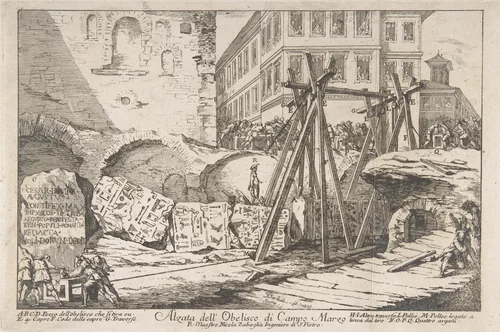
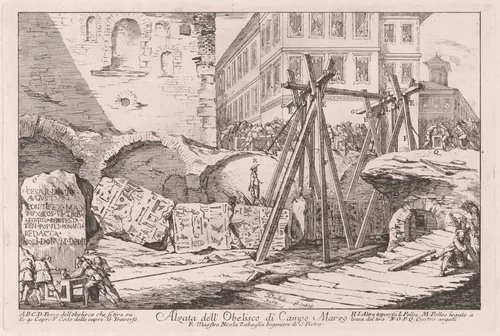
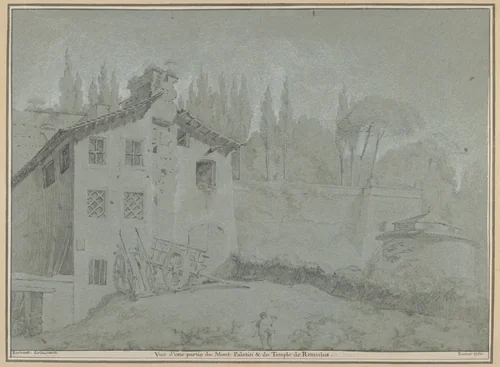
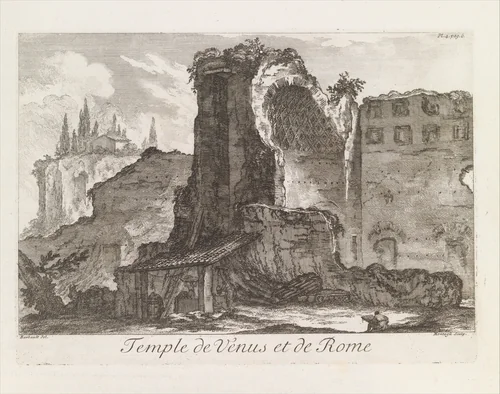
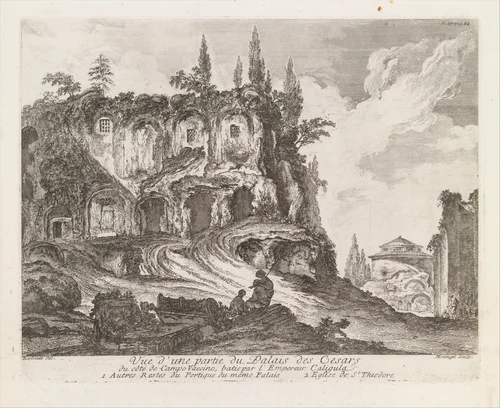
Barbault’s most enduring contribution to classical scholarship lies in his exhaustive visual surveys of Roman monuments and ongoing excavation sites. Recognizing the importance of recording these antiquities as they emerged from the earth, he translated meticulous draughtsmanship into comprehensive published volumes of engravings. These works, intended for widespread distribution, were critical references for architects and antiquarians across Europe. The precision visible in plates such as The Excavation of an Obelisk from the Campo Marzo or View of the Palatine Hill and the Temple of Romulus cemented his reputation as a primary documentarian of Rome’s ancient fabric. The widespread circulation of these high-quality prints ensured his influence permeated the nascent Neoclassical movement.
Equally engaging is Barbault’s attention to the living city. Moving beyond the solemnity of ruins, he dedicated significant effort to depicting local Roman inhabitants. These works capture figures adorned in detailed traditional dress or, in a slightly curious flourish of 18th-century exoticism, elaborately theatrical Oriental costumes. This juxtaposition highlights Barbault's comprehensive artistic engagement; he documented not only the permanent history of stone and foundation but also the shifting, costumed social performance unfolding atop it.
Barbault’s output offers crucial insights into the 18th-century art market and the dissemination of classical knowledge. The detail inherent in Jean Barbault prints ensures their continued relevance to researchers today. As primary source material for archaeological study, his work remains highly valued. A substantial portion of his graphic work is now available in the public domain, providing researchers and enthusiasts with unprecedented access to this foundational chapter of classical documentation.
Source: Wikipedia · CC BY-SA 4.0