Jean Baptiste Vanmour
Jean Baptiste Vanmour (1671-1737), the Flemish-French painter, secured his historical reputation as the definitive artistic interpreter of the Ottoman Empire at the dawn of the eighteenth century. Having relocated to Constantinople in 1699, ostensibly to serve the French Ambassador, Charles de Ferriol, Vanmour quickly transitioned from a diplomatic painter to the essential visual chronicler of the ruling class. His detailed portrayal of the imperial capital during the reign of Sultan Ahmed III and the cultural flowering known as the Tulip Era established a new standard for Western representation of the East.
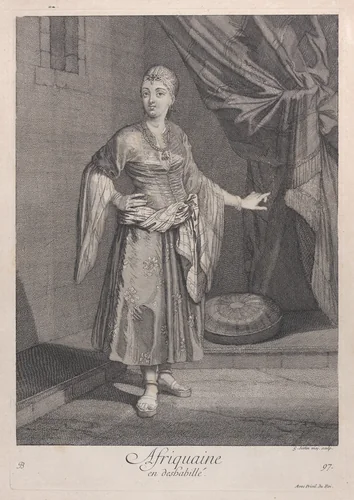
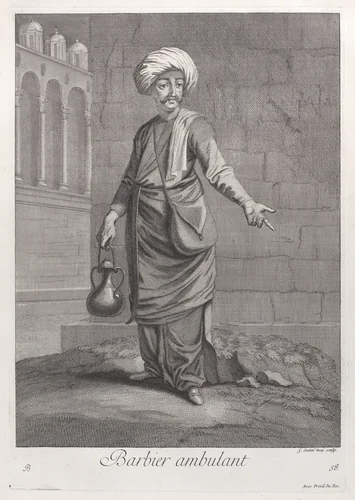
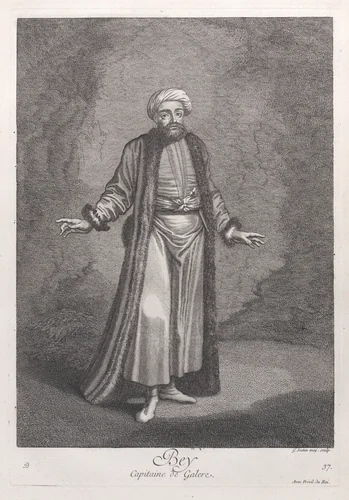
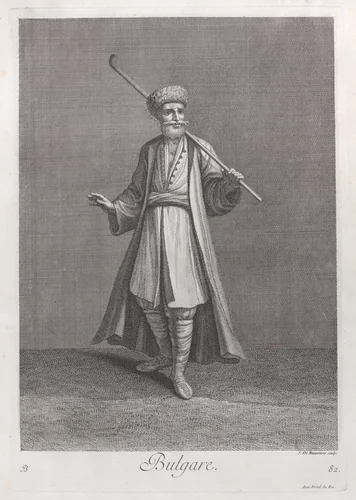
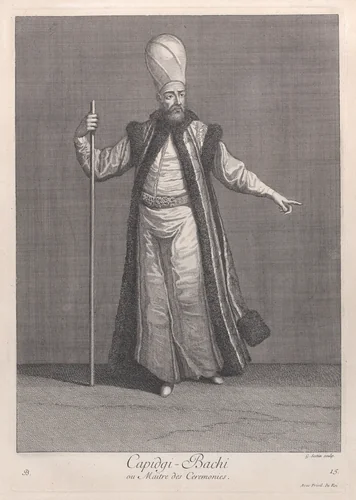
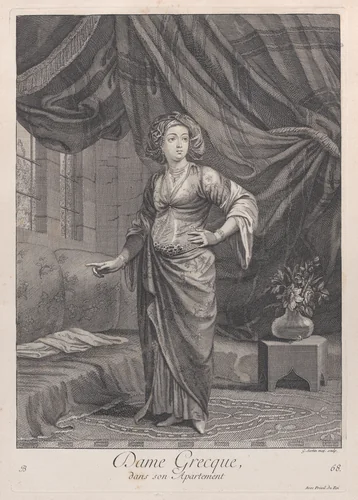
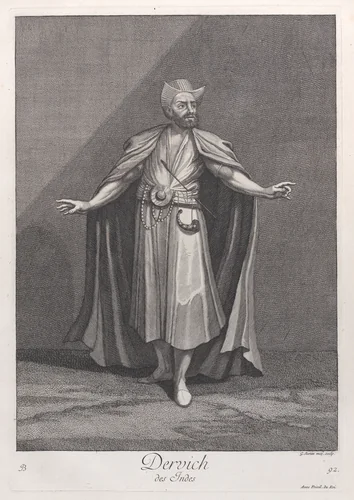
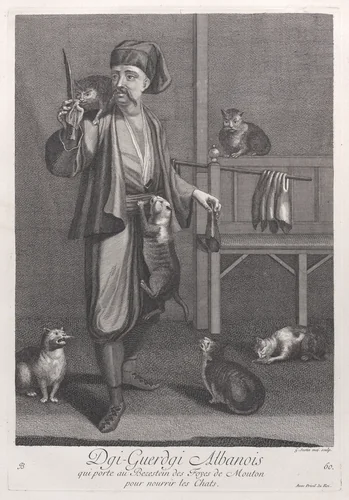
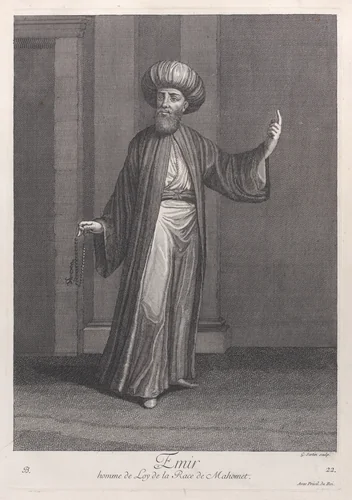
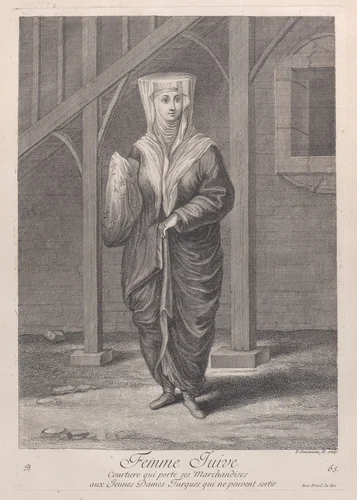
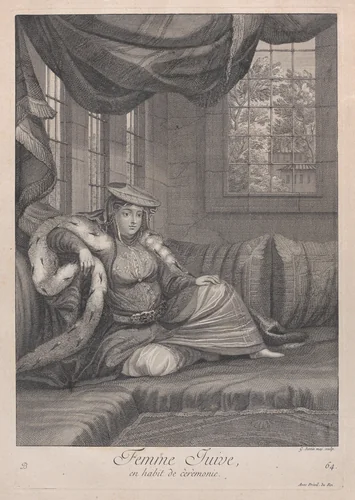
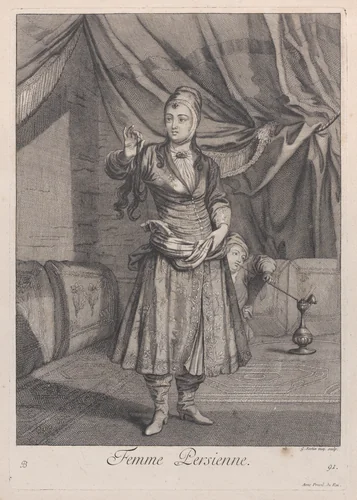
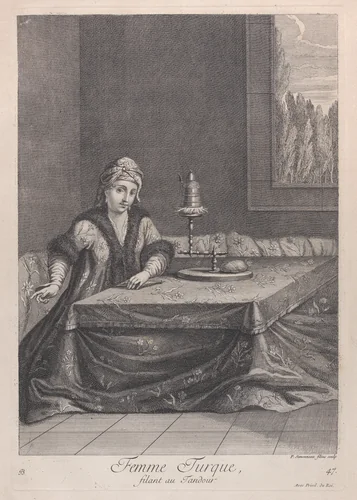
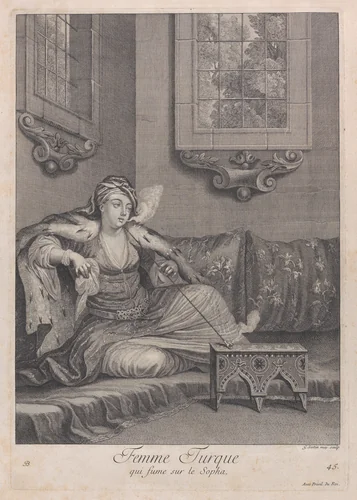
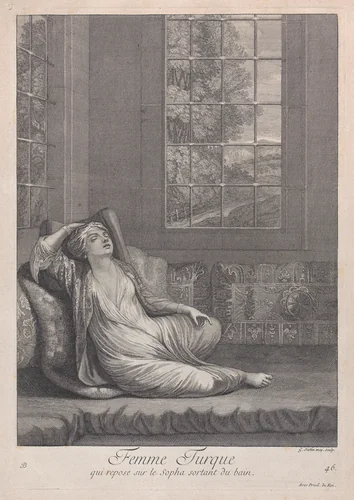
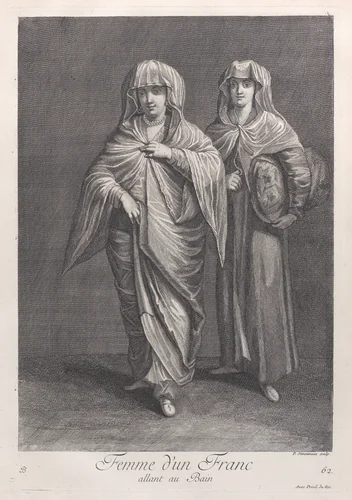
Vanmour’s artistic output was characterized by an almost anthropological commitment to accuracy. Rather than relying on imaginative fantasy, his works provided European patrons with meticulously observed documentation of costume, hierarchy, and daily life within the court. This approach culminated in the influential project, Recueil de cent estampes représentent differentes nations du Levant, first published in 1714. This collection of engravings, based on his original compositions, served as a foundational ethnographic resource for two centuries.
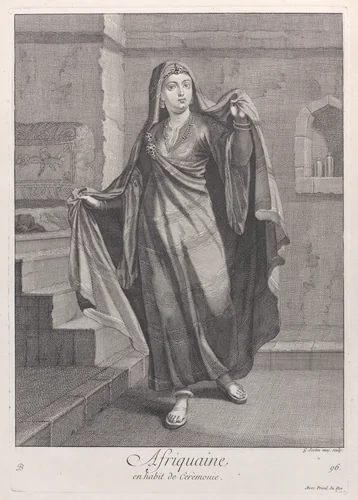
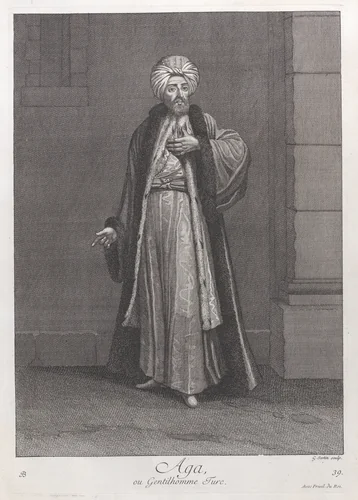
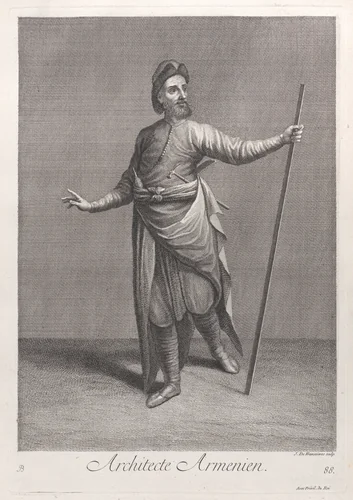
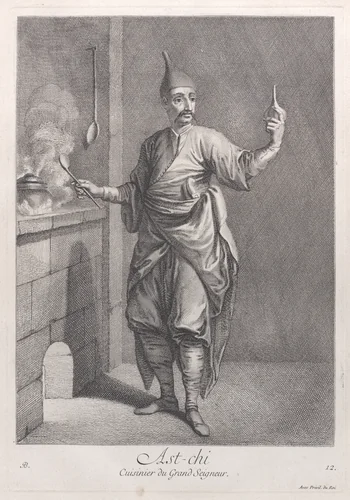
The individual plates within the Recueil are crucial historical documents. They capture not only the military and governing elite, such as the Aga, ou Gentilhomme Turc, but also specialized roles and distinct communities necessary for the functioning of the massive court apparatus, including the Ast-chi, Cuisinier du Grand Seigneur and the Architecte Armenien. His works, such as the plates depicting the Afriquaine, en habit de Cèrèmonie, are particularly valued for their clarity in illustrating ceremonial dress and social structures.
Vanmour’s ability to move within the highest echelons of Ottoman society allowed him a unique, intimate perspective. He managed to capture the solemnity and exoticism required by European taste while simultaneously revealing the functional, sophisticated reality of the bureaucracy. He was, in essence, the supreme society portraitist for the grandest theater in the East. Today, original Jean Baptiste Vanmour prints and paintings are cornerstones of public domain collections in institutions like the Metropolitan Museum of Art. The growing availability of these museum-quality resources ensures that high-quality prints and downloadable artwork continue to inform scholarship and appreciation of early eighteenth-century global exchange.
Source: Wikipedia · CC BY-SA 4.0