Jean-Baptiste Perronneau
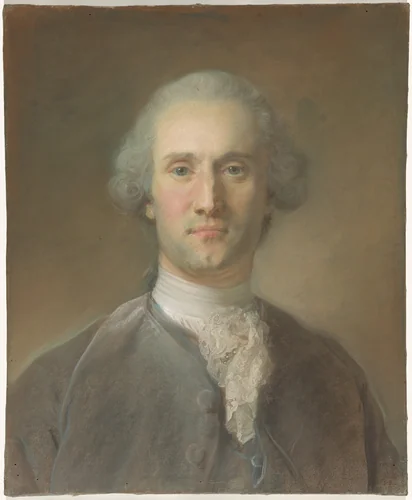
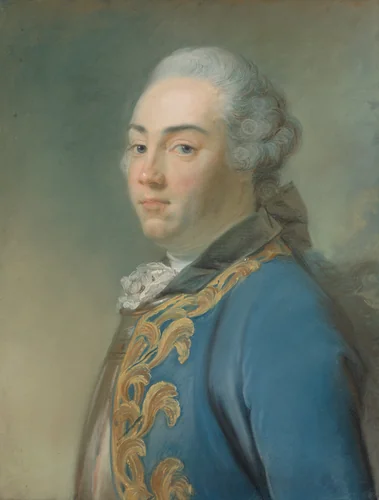
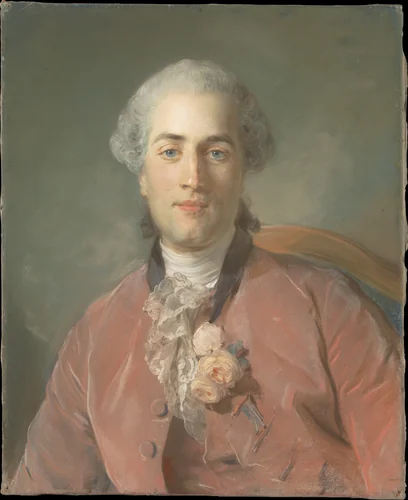
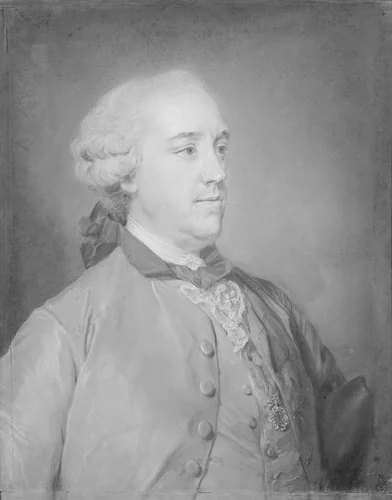
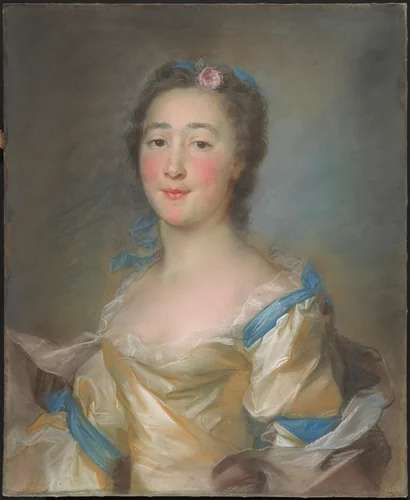
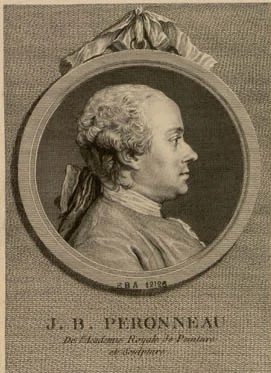
Jean-Baptiste Perronneau (1715-1783) stands among the preeminent French draughtsmen and portraitists of the mid-eighteenth century. Active between 1738 and 1767, he rose to prominence as the era’s foremost specialist in the portrait pastel, defining an aesthetic elegance characteristic of the later Rococo period. While often viewed in the shadow of his brilliant contemporary, Maurice Quentin de La Tour, Perronneau’s approach prioritized an insightful depiction of individual character over dramatic display, lending his sitters a particular air of quiet sophistication.
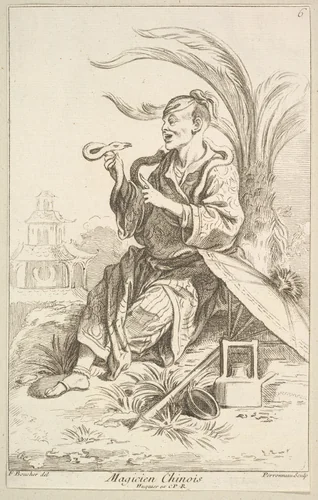
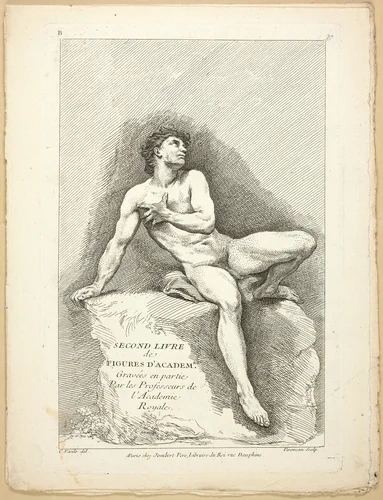
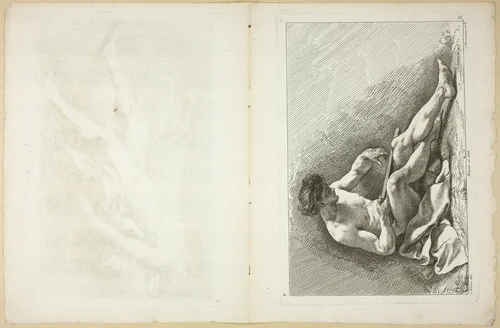
Although Perronneau is primarily known for the delicate, fugitive nature of his pastel technique, his surviving output includes essential studies in graphite and chalk, as well as several significant engravings. His technical proficiency is documented through his contribution to academic resources, specifically the rigorous anatomical studies published in the Seconde Livre de Figures d’Académies Gravées en Partie par les Professeurs de l’Académie Royale. Figures such as Page 46 and Page 47 demonstrate the mastery of form required for acceptance into the Académie Royale. Even minor, yet intriguing, works like the Chinese Magician maintain a striking clarity and precision, revealing the draughtsman’s versatile skill.
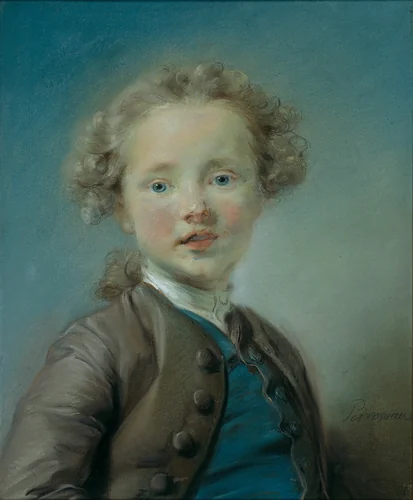
The hallmark of his achievement lies in the expressive intimacy he achieved in the genre, evident in works like the poignant Portrait of a Young Boy with Blue Eyes. Unlike some of his rivals, Perronneau’s sitters appear genuinely engaged, utilizing light and shadow to create deeply nuanced faces, ensuring their continued museum-quality status centuries later.
The legacy of Jean-Baptiste Perronneau paintings and high-quality prints is preserved in the permanent collections of the world’s leading institutions, including the Mauritshuis, the National Gallery of Art, and the Metropolitan Museum of Art. Fortunately for researchers and enthusiasts, many of his works have entered the public domain, providing global access to downloadable artwork and ensuring the scholarly study of his unique contribution to French portraiture continues without restriction.
Source: Wikipedia · CC BY-SA 4.0