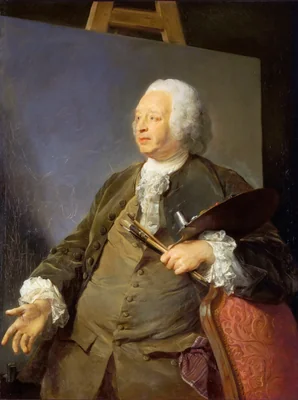
Jean-Baptiste Oudry
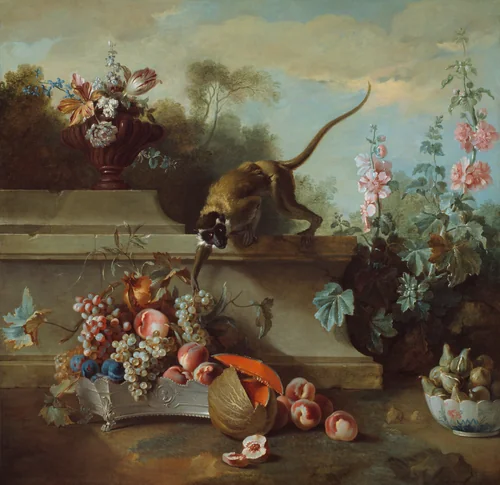
Jean-Baptiste Oudry (1686-1725) was a foundational figure in early eighteenth-century French art, whose mastery extended across painting, engraving, and the industrial design of textiles. Identified primarily as a master of the Rococo aesthetic, his enduring reputation rests upon an extraordinary naturalism applied rigorously to the animal world, a specialty that brought new dignity and scrutiny to the genre during his lifetime.
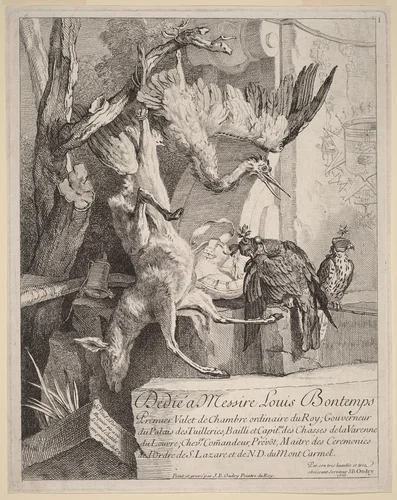
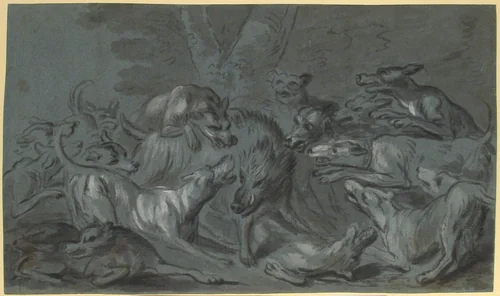
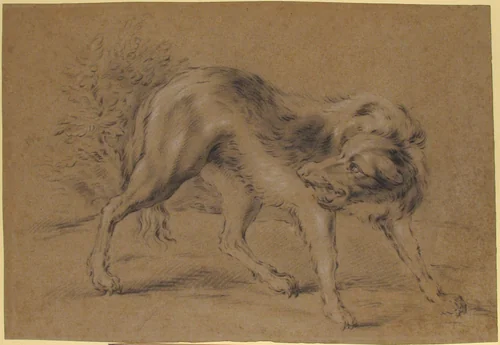
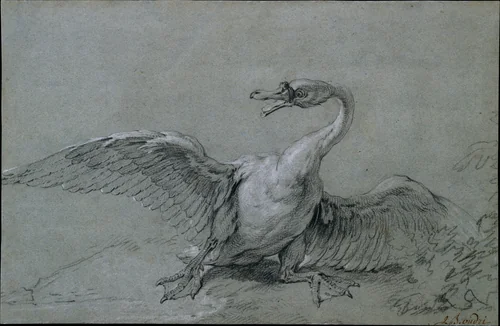
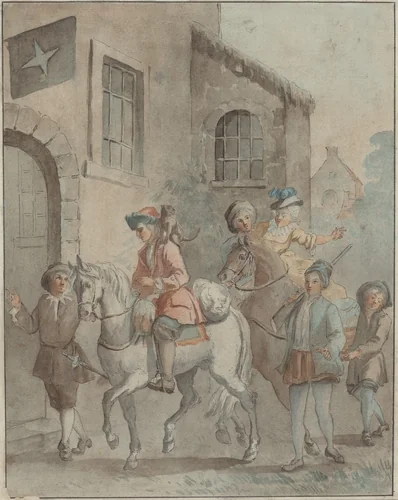
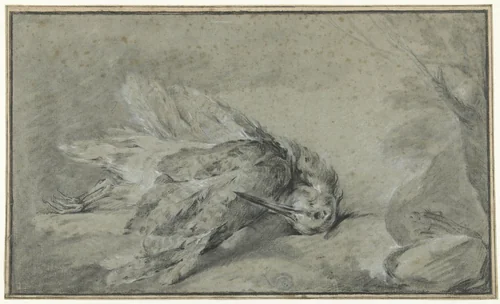
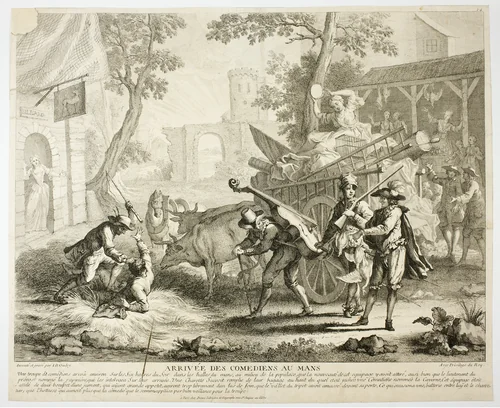
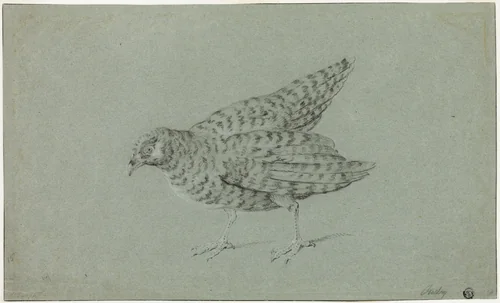
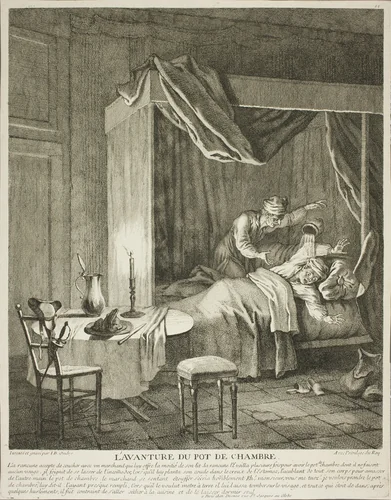
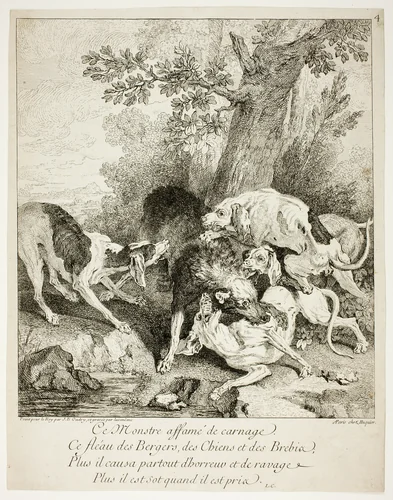
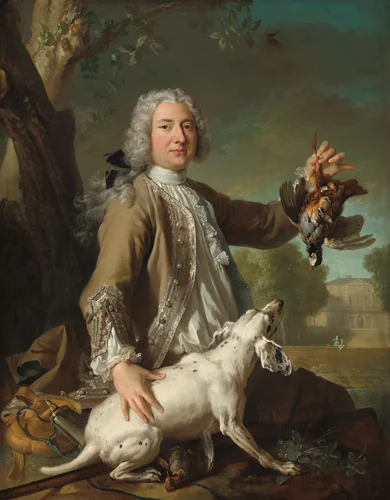
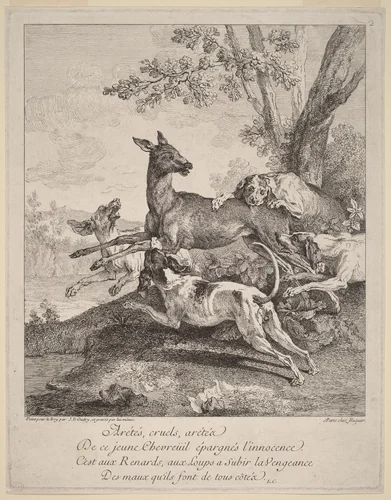
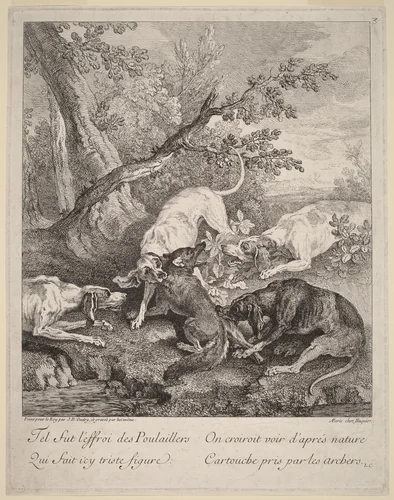
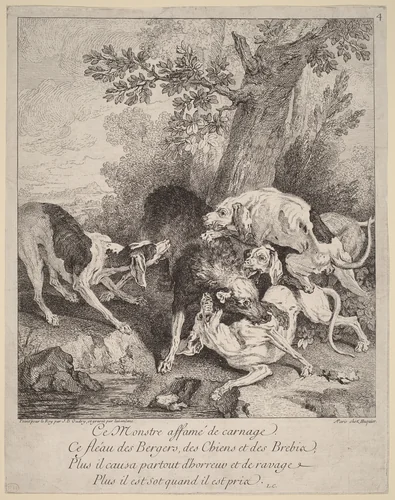
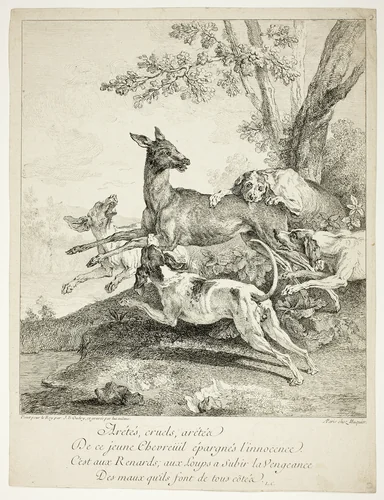
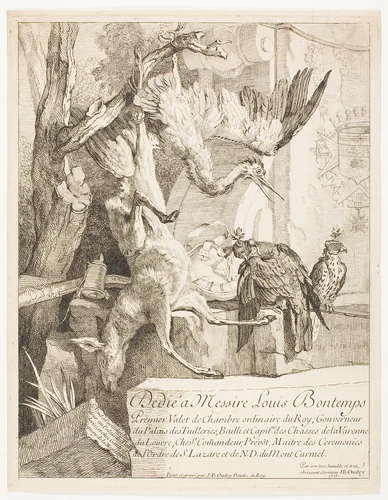
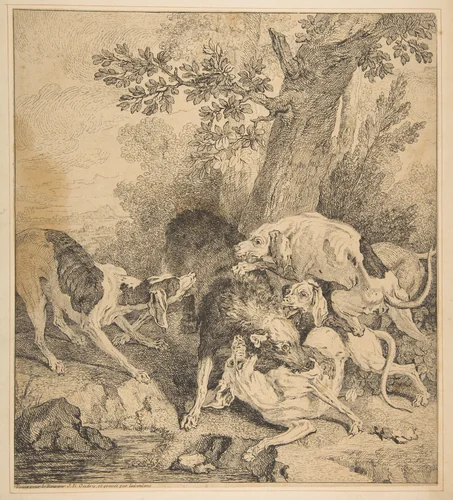
While celebrated for the large-scale canvases that would become known as Jean-Baptiste Oudry paintings, his prolific output in drawing and printmaking illustrates his technical virtuosity in equal measure. Works such as Frontispiece and the dynamic composition Pack of Dogs Attacking a Wild Boar reveal an artist captivated by motion and the intense drama of the hunt. He possessed the unique ability to capture not merely the anatomical form of a beast, but the tension of its disposition, visible in the focused intensity of studies like Angry Dog and Angry Swan. This precision made him highly sought after for commissions related to royal hunting pursuits and domestic portraiture of beloved household animals.
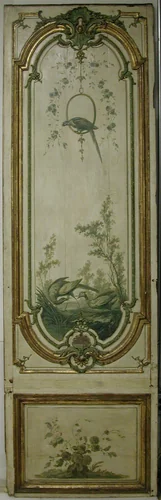
Oudry’s significance was cemented by his extensive influence within the French decorative arts. He maintained a crucial dual career as a designer for the premier textile manufacturers, the Gobelins and Beauvais, successfully translating his powerful compositions into monumental woven forms suitable for courtly interiors. This position established him as a key arbiter of visual taste and design administration.
His comprehensive body of work, ranging from detailed preparatory drawings to large tapestries, is preserved in major global collections, including the Art Institute of Chicago and the Metropolitan Museum of Art. The widespread availability of Jean-Baptiste Oudry prints, often accessible today as downloadable artwork and other royalty-free resources, ensures that his precise vision and enduring influence on naturalistic representation remain readily available for contemporary study and appreciation.
Source: Wikipedia · CC BY-SA 4.0