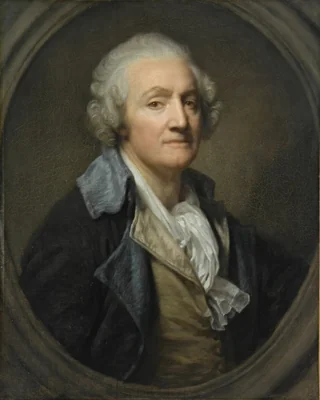
Jean-Baptiste Greuze
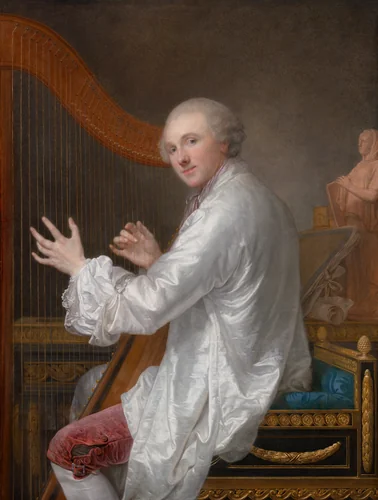
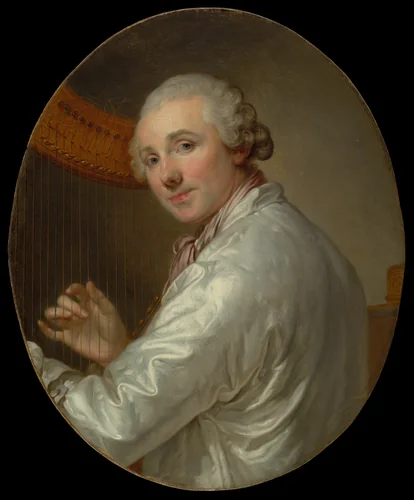
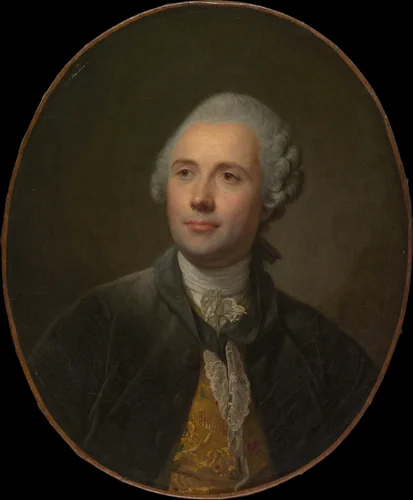
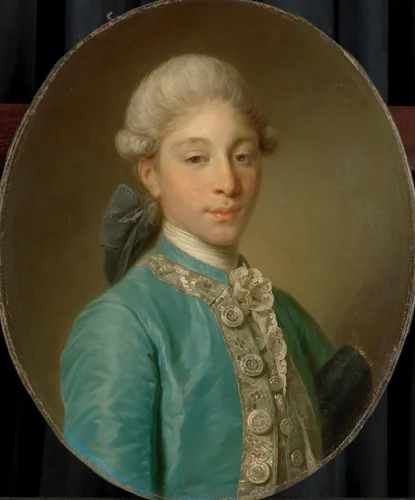
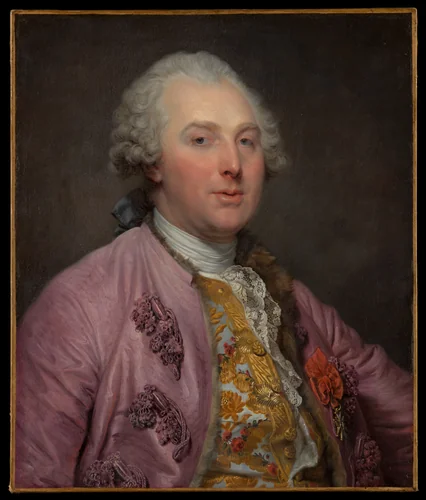
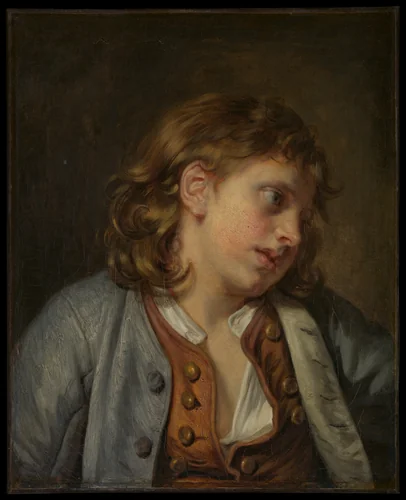
Jean-Baptiste Greuze (1725–1805) remains one of the most distinctive, and perhaps most intensely moralizing, voices in 18th-century French painting. While recognized during his prolific career as a master of portraits and an aspirant to history painting, it was the highly dramatic genre scene that cemented his reputation and defined his historical significance. Greuze emerged during the twilight of the playful Rococo era, pioneering a powerful shift toward bourgeois sentiment and domestic virtue that anticipated the strict moralizing focus of early Neoclassicism.
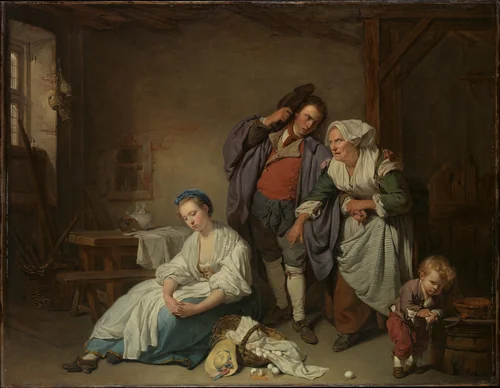
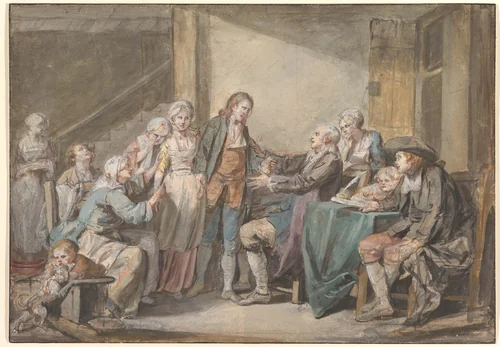
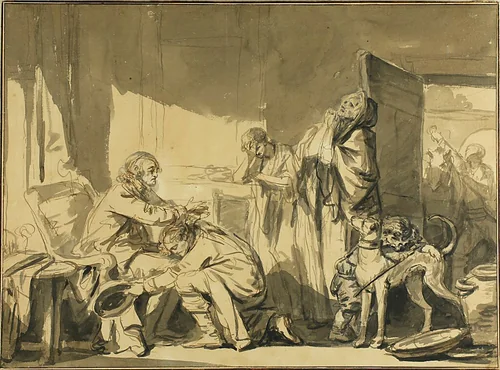
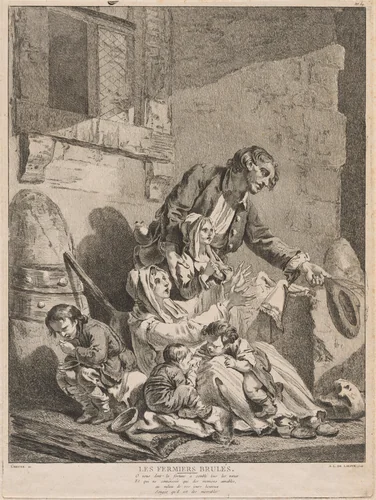
His fame rests squarely on his scènes de genre—narrative canvases that employed the scale and high emotion traditionally reserved for academic subjects. Rather than depicting simple daily life, Greuze staged deeply moving familial dilemmas or virtuous domestic rites. Works such as The Angry Mother and A Farmer Entrusting the Plow to His Son utilized theatrical lighting and exaggerated expressions to communicate specific ethical lessons, transforming the private home into a stage for public morality.
This approach was heavily championed by influential critics, most notably Denis Diderot, who praised Greuze for using art as a vehicle for civic improvement and emotional instruction. If his heightened scenes occasionally strayed into outright sentimentality—a charge often leveled at later, less successful imitators—Greuze nonetheless captured the profound anxieties and aspirations of the French Enlightenment.
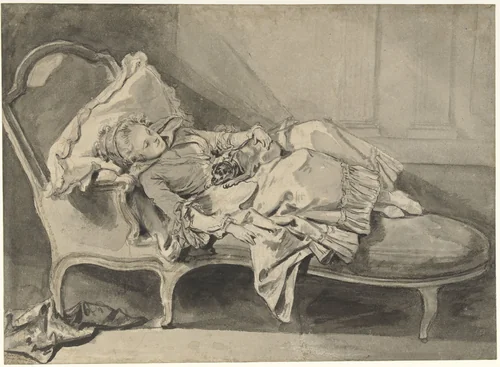
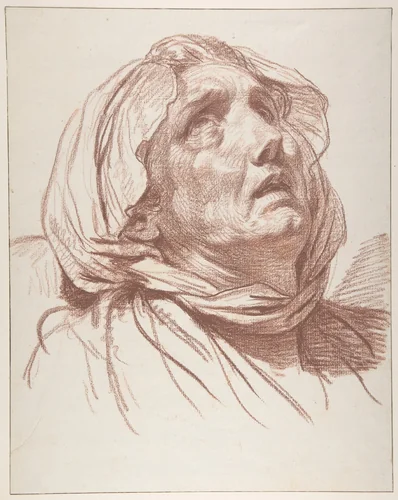
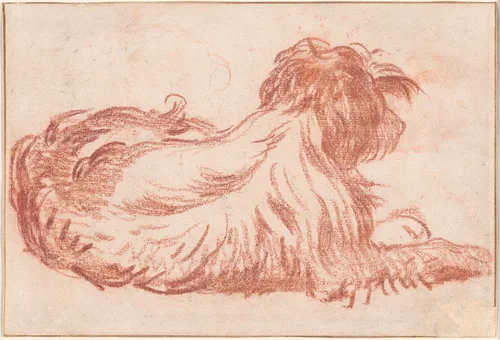
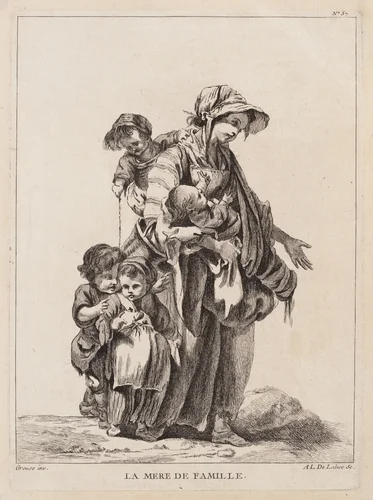
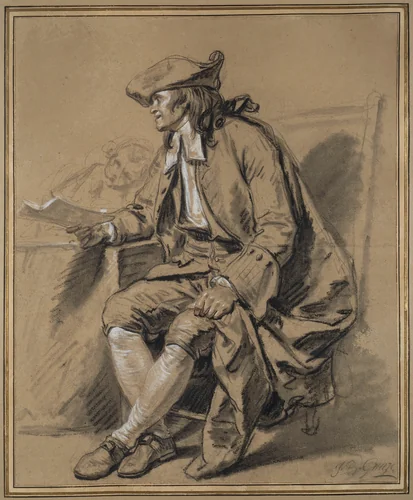
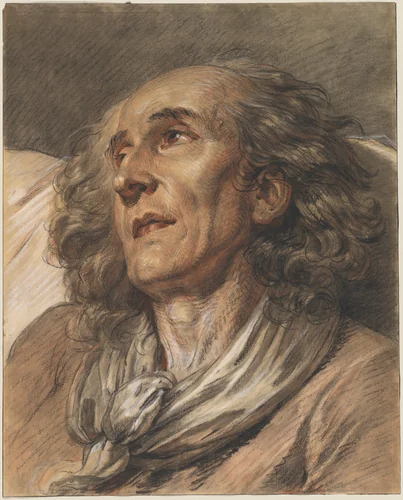
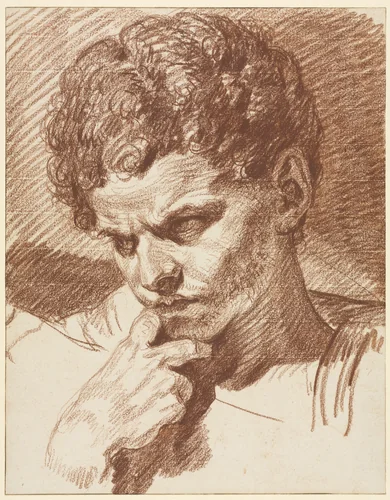
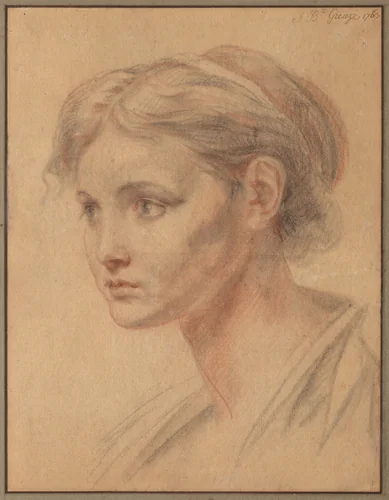
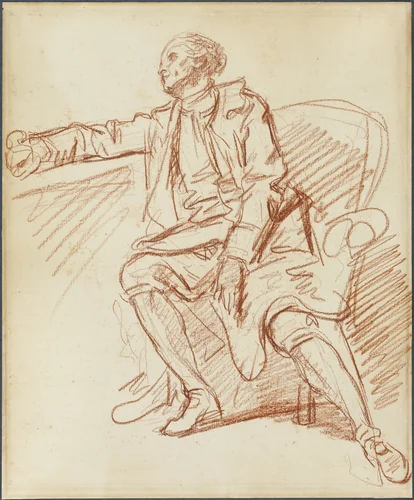
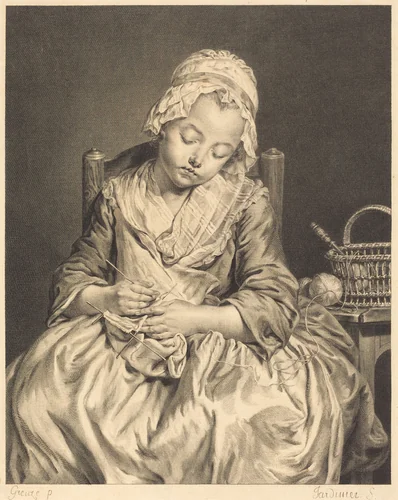
Beyond painting, his rigorous preparatory methods are preserved in a substantial corpus of drawings, including the meticulous detail found in Study of a Hand and expressive characterizations like Child's Head. These studies, held in major institutions worldwide, demonstrate his mastery of chalk, wash, and line—essential tools for achieving the profound emotional pitch his paintings required. The enduring quality of these compositions ensures their continued study today. Many key examples of Jean-Baptiste Greuze prints and drawings are now available as downloadable artwork through public domain initiatives, guaranteeing that these important historical pieces remain accessible for research and educational purposes.
Source: Wikipedia · CC BY-SA 4.0