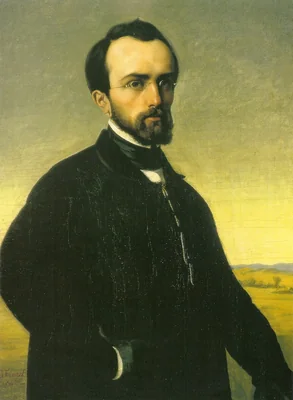
Jean-Baptiste Frénet
Jean-Baptiste Frénet was a quintessential 19th-century polymath, balancing careers in traditional fine art, emerging photographic technology, and local politics throughout his life in Lyon, France. Born in 1814, Frénet initially established himself within the Lyonnaise art establishment as a respected practitioner of painting and sculpture, commanding the academic rigor expected of his era.
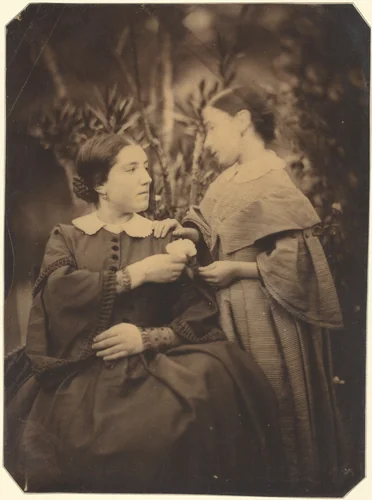
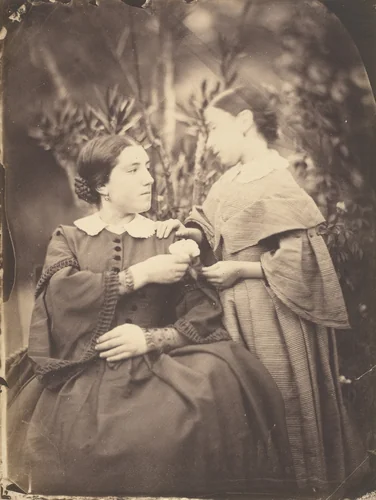
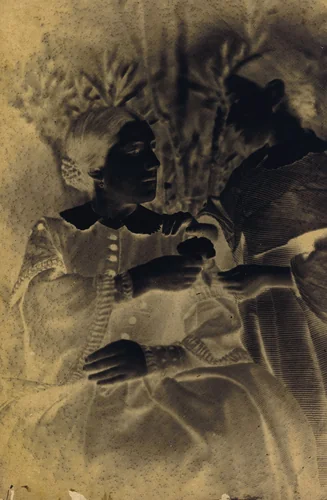
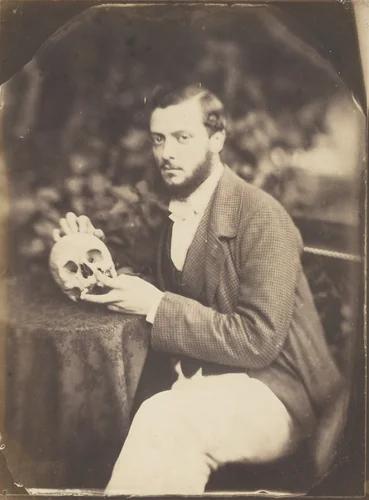
However, it is his comparatively brief, intense engagement with the nascent medium of photography between 1853 and 1856 that currently secures his recognition in major international collections. The surviving six photographs attest to his technical proficiency and provide insight into mid-century French portraiture. These scarce images, highly valued for their museum-quality preservation, are often defined by crisp detail and formal composition. Repeated subjects, such as the multiple instances of Boy in Uniform and Portrait of Woman and Child, suggest Frénet served a specialized clientele who sought permanence and dignity in their photographic records.
The scarcity of these photographic works ensures that institutions like the National Gallery of Art and the Metropolitan Museum of Art hold precious keys to understanding his artistic output. While few examples of Jean-Baptiste Frénet paintings are widely known today, his surviving photographs demonstrate an impressive command of form and light, regardless of medium.
That Frénet managed to sustain a parallel career in municipal politics while navigating the rigorous demands of painting, sculpting, and pioneering chemical photographic processes provides a fascinating perspective on 19th-century intellectual ambition. One might observe that the meticulous control required for the chemical developing of high-quality prints stood in sharp contrast to the inherently unpredictable nature of civic administration. Today, the legacy of Jean-Baptiste Frénet prints endures digitally. Many of these historical images have entered the public domain, making downloadable artwork and royalty-free versions accessible to historians. Researchers can frequently find free art prints of his work through major gallery databases, cementing his place as an early, though modest, contributor to the history of the photographic image.
Source: Wikipedia · CC BY-SA 4.0
![[Boy in Uniform] by Jean-Baptiste Frénet, photograph, 1853-1857](https://img.artbee.org/fc84b56b-da15-4f1f-948a-13b666229a2d/small.webp)
![[Boy in Uniform] by Jean-Baptiste Frénet, photograph, 1853-1857](https://img.artbee.org/3f17ecf3-d2d9-4532-933e-f0e9190ed6c1/small.webp)