Jean Baptiste Claude Chatelain
Jean Baptiste Claude Chatelain (1710–1758) holds a significant, if often understated, position in 18th-century British graphic arts. An accomplished English draughtsman and engraver of French ancestry, Chatelain specialized almost exclusively in the landscape, a genre gaining tremendous popularity among both collectors and print buyers in the Georgian era. His active period, roughly spanning 1710 to 1730, coincided with a crucial shift toward greater naturalism and atmospheric depth in scenic representation.
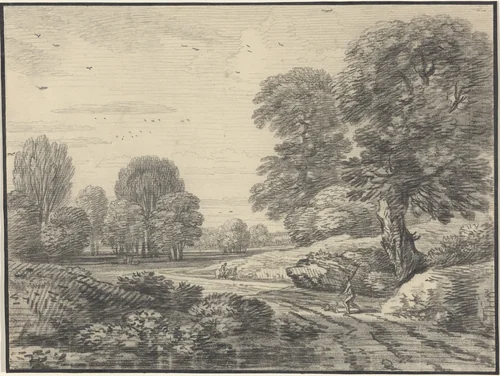
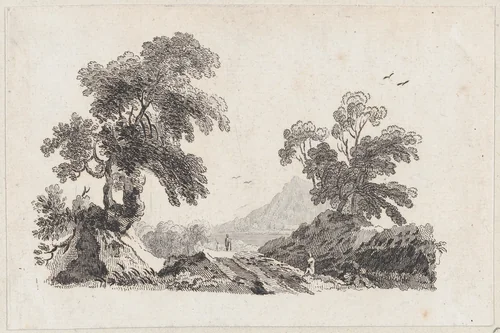
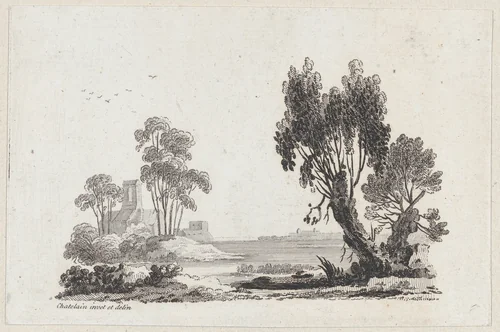
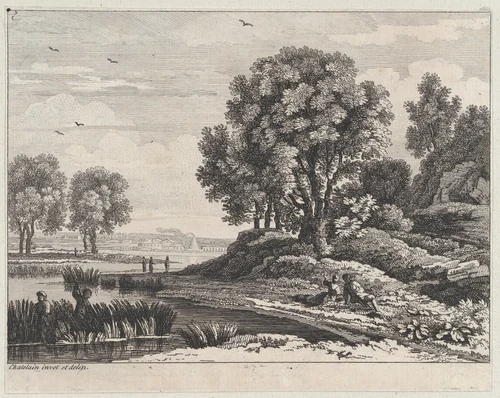
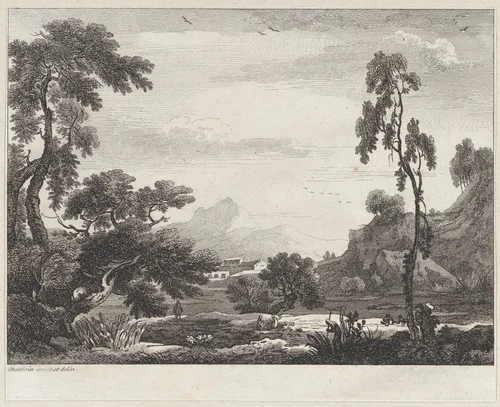
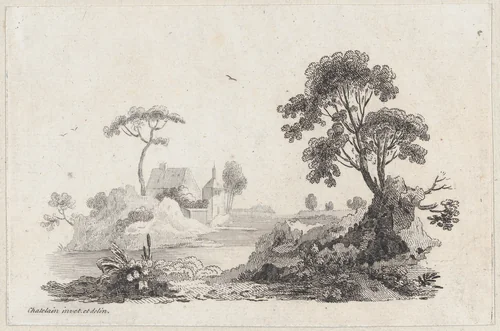
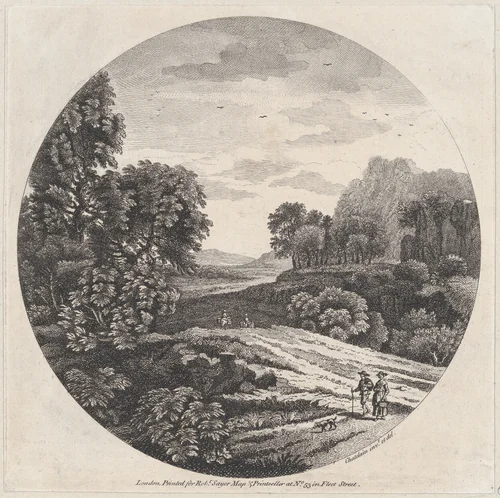
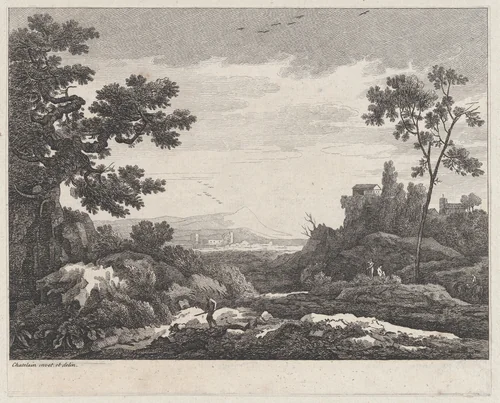
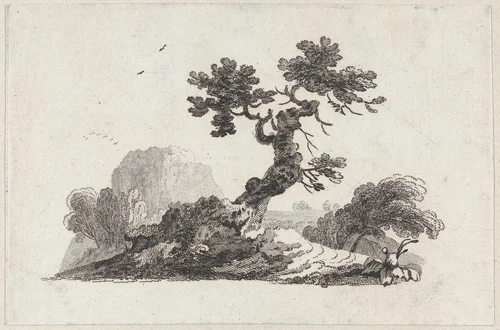
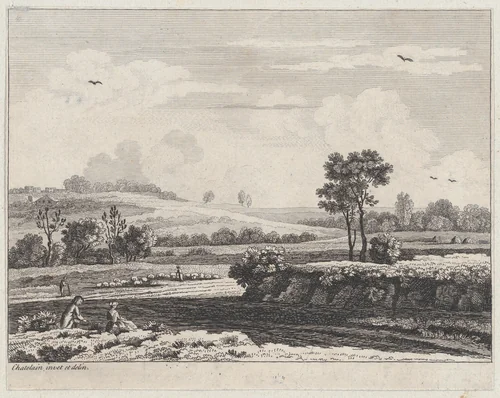
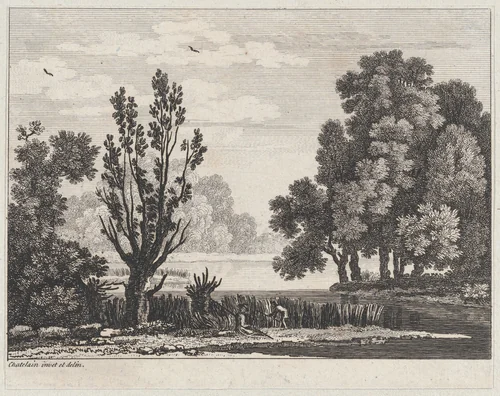
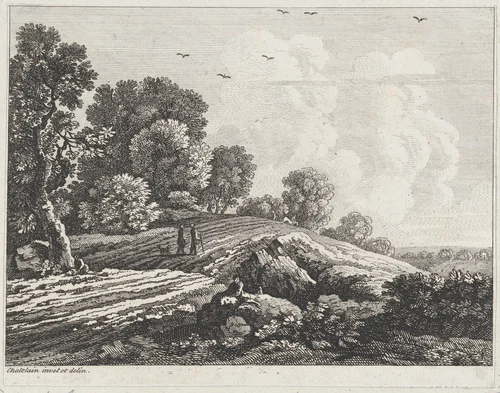
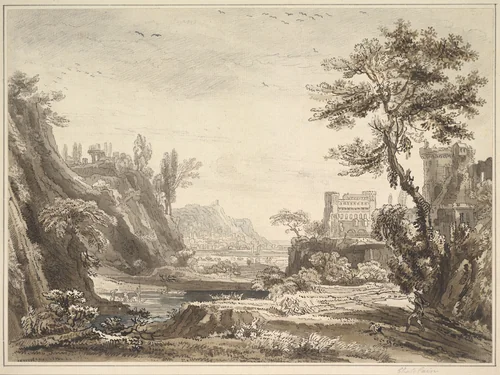
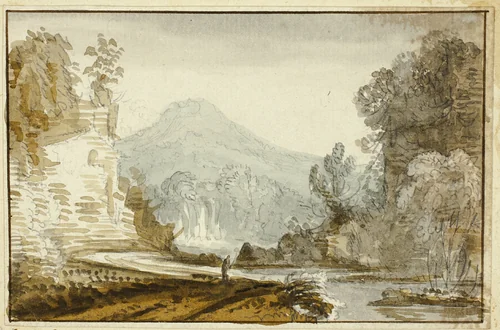
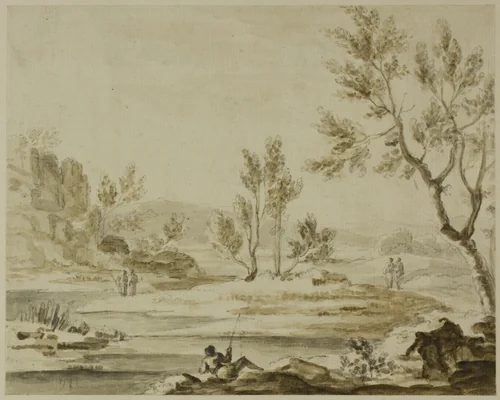
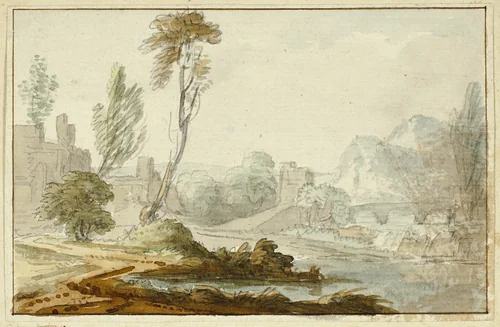
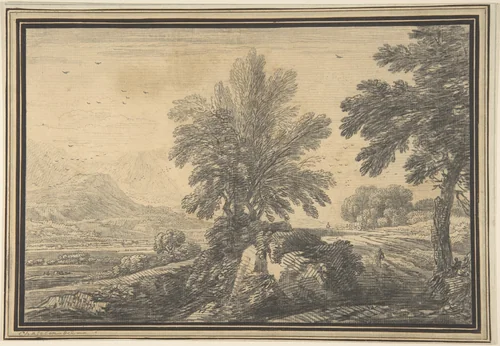
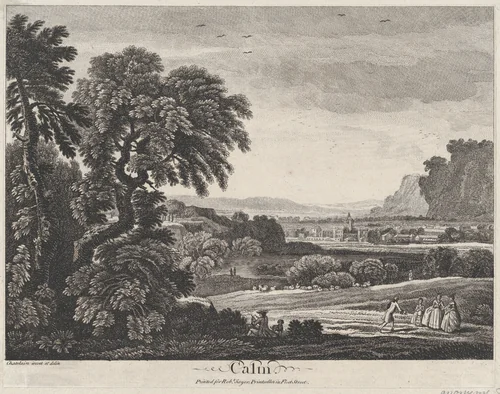
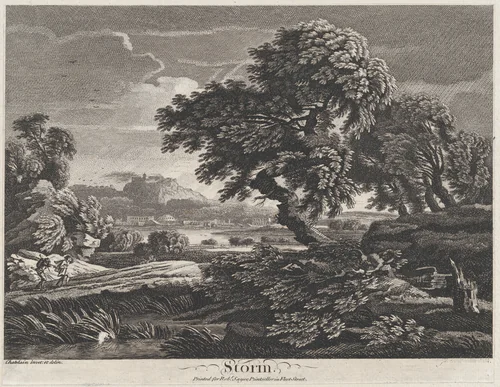
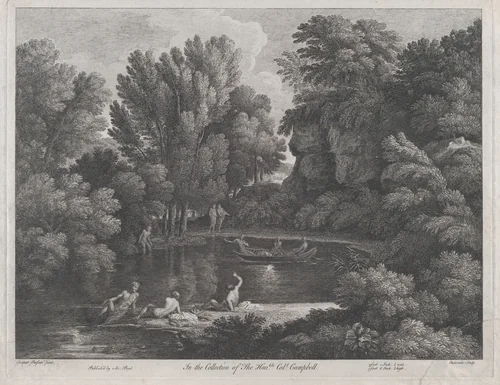
The surviving corpus of his work indicates a deep commitment to graphic media, comprising three drawings, one painting, and eleven documented prints. The technical precision of his engravings, often executed after his own detailed preparatory sketches, speaks to his foundational training. Works such as Travelers on a Road in a Wooded Landscape exemplify his style: dense chiaroscuro, a strong sense of topographical accuracy, and an uncanny ability to capture the specific light and texture of the English countryside. While many of his prints carry the simple but functional title Landscape, their collective output contributed materially to the establishment of the English landscape school.
Unlike contemporaries who sought to inject historical drama into every scene, Chatelain displayed an engagingly quiet dignity in his subject matter. He was the meticulous surveyor of the picturesque, preferring the inherent structure of trees and winding roads to overt narrative complexity.
The enduring quality of his draftsmanship is evidenced by the inclusion of his work in premier American collections, including the Metropolitan Museum of Art, the National Gallery of Art, and the Art Institute of Chicago. The availability of high-quality prints and original drawings allows for continued study of his nuanced approach to composition. Furthermore, the increasing accessibility of these assets means many of the most important Jean Baptiste Claude Chatelain prints and landscape studies have entered the public domain, making downloadable artwork widely available for scholars and enthusiasts alike, ensuring his contributions remain visible well beyond his comparatively short life. His museum-quality works continue to serve as essential visual records of early 18th-century graphic innovation.