Jean Arp
Jean Arp (Hans Peter Wilhelm Arp), the German-French artist who defined a generation through his radical commitment to chance and organic abstraction, stands as a foundational pillar of 20th-century modernism. Operating simultaneously as a sculptor, painter, and poet, Arp’s versatility allowed him to challenge the boundaries of medium and representation, first through the chaos of Dada and later through the contemplative purity of non-objective forms.
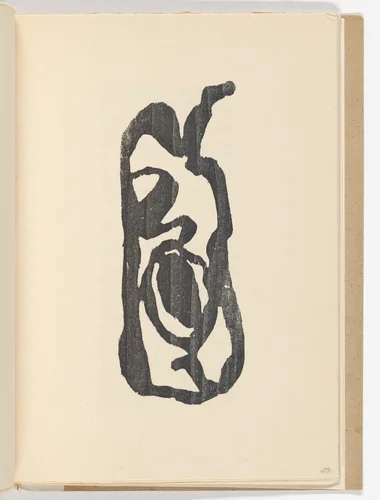
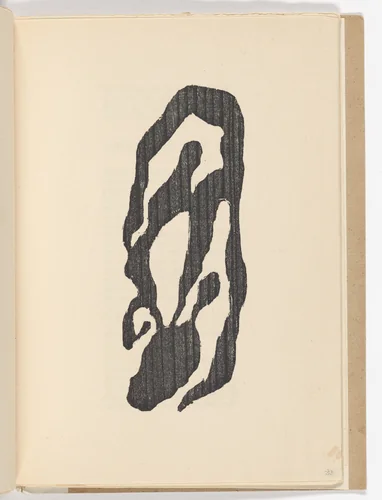
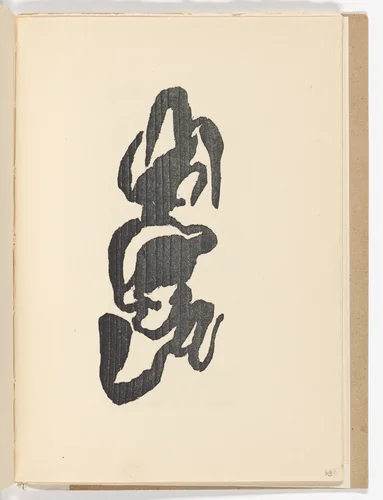
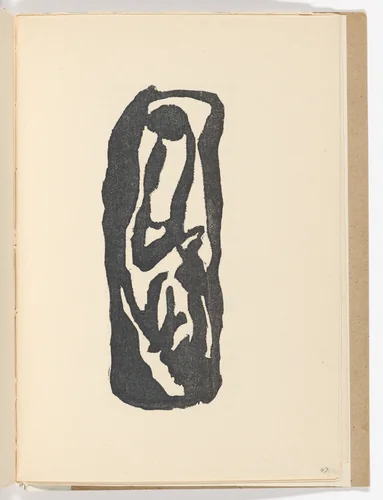
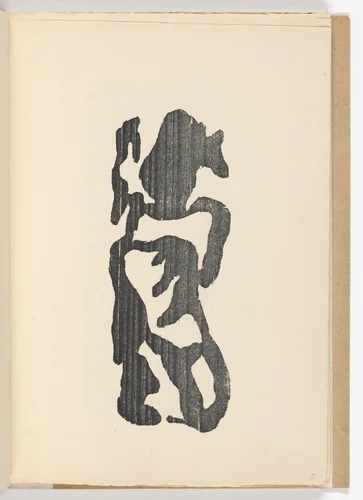
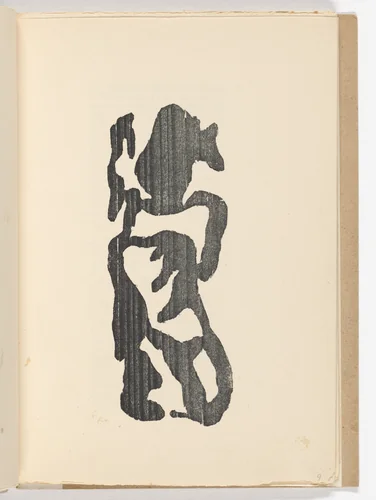
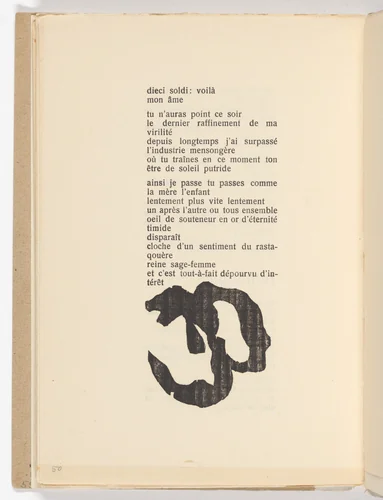
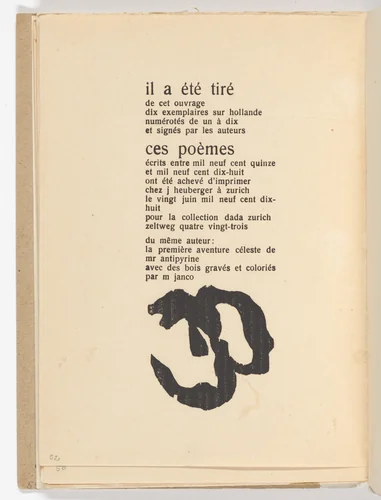
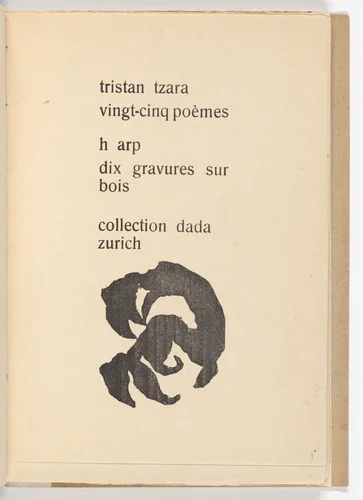
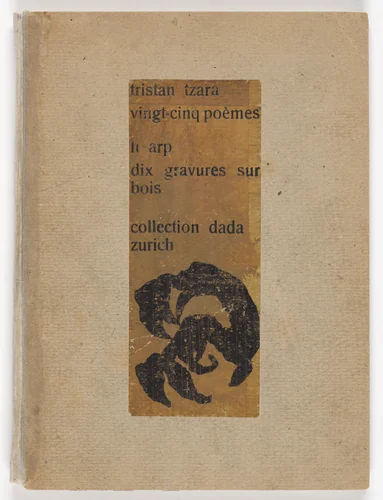
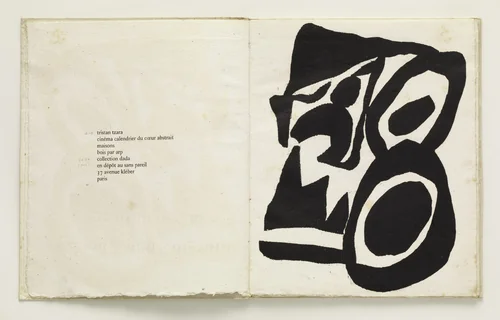
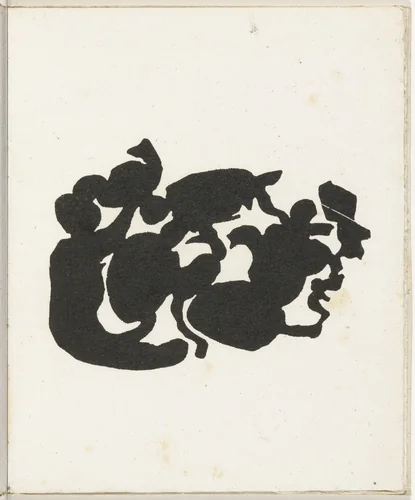
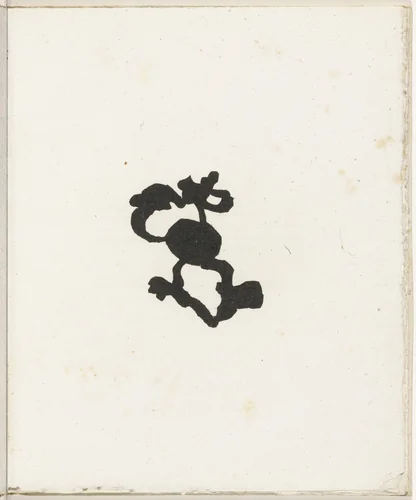
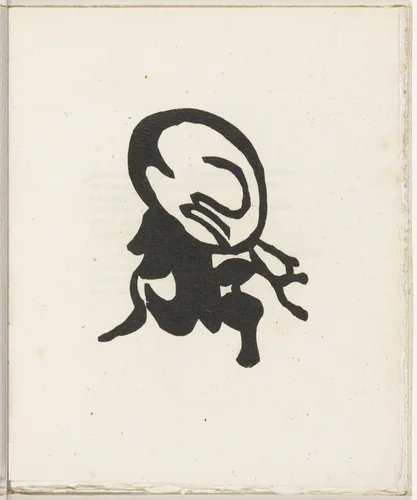
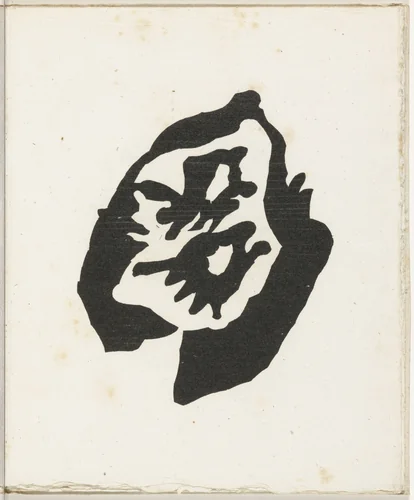
His pivotal role in the Zurich Dada movement, beginning around 1916, saw him pioneering methods that utilized collage and assemblage to subvert traditional artistic authorship. Arp often allowed external variables, such as gravity or random tearing, to determine composition, effectively establishing a dialogue between the conscious hand and elemental forces. This period of artistic experimentation—including the years 1914–1917—was marked by a profound interest in integrating language and visual art. Works such as the illustrated volume Phantastische Gebete (Fantastic Prayers), encompassing both his poetry and abstract graphic designs, underscore the complexity of his early intellectual project. The subtle, yet revolutionary, formal decisions evident in the Front cover and the Headpiece from this publication reveal the abstract syntax that would define his mature style.
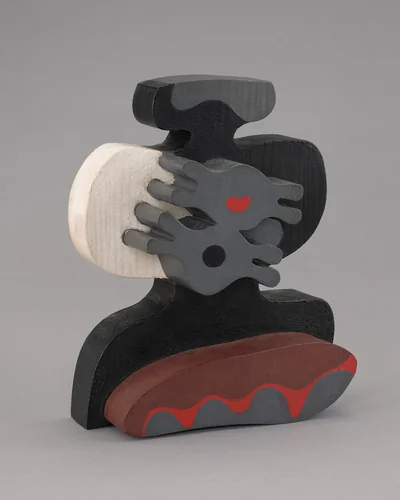
Although Arp is perhaps best known today for his later biomorphic sculpture, which introduced soft, unsettlingly familiar organic shapes into the hard geometry of modernist sculpture, his graphic works from the 1910s are equally significant for tracing the origins of this style. He was, unusually for an artist of his stature, equally invested in the power of the written word as he was in visual form, maintaining a strong literary output throughout his career.
A dedicated abstract artist, Arp insisted on an art rooted in nature’s own laws, creating compositions that feel both random and inevitable. His legacy is maintained through major collections globally, including the Museum of Modern Art, which holds key drawings and illustrated books. Scholars and collectors frequently access high-quality prints of his graphic output. The continued availability of significant portions of his work in the public domain ensures that the revolutionary concepts introduced by Dada and manifest in early Jean Arp prints continue to influence contemporary practices worldwide.
Source: Wikipedia · CC BY-SA 4.0