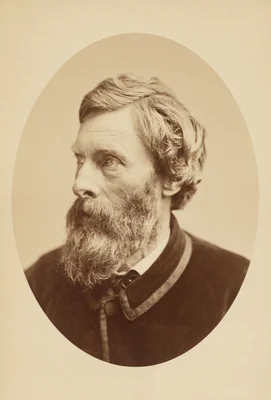
Jasper Francis Cropsey
Jasper Francis Cropsey (1823-1900) stands as a pivotal figure among the second generation of American landscape painters, renowned for his defining contributions to the Hudson River School. His work, which masterfully combined meticulous architectural precision with the movement’s romantic celebration of American wilderness, secured his legacy in the narrative of nineteenth-century art.
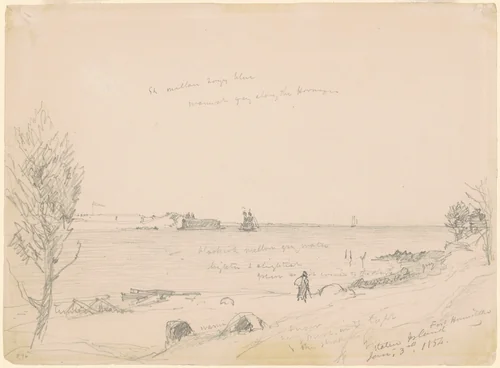
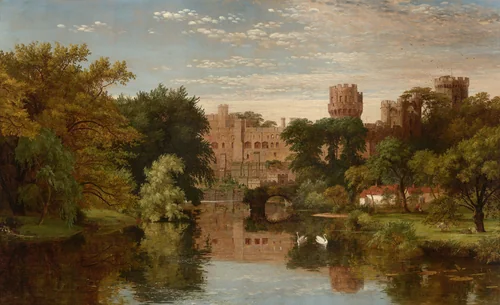
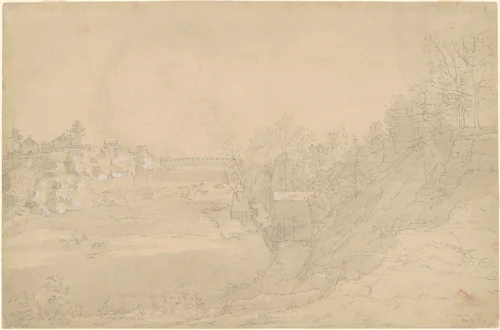
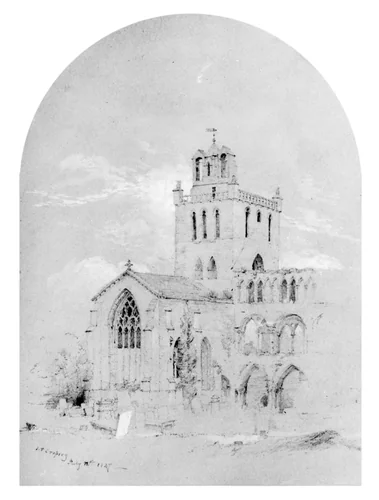
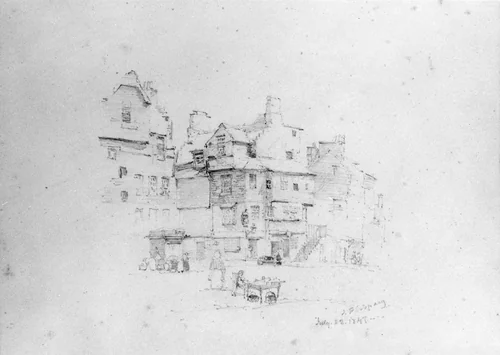
Cropsey’s initial training as an architect deeply informed his artistic practice. Unlike many of his contemporaries, his eye was trained to render structures, perspective, and topography with exactitude, a skill evident in detailed early sketches such as James McCullough's Leadmill and complex views like Jedburgh Abbey (from Cropsey Album). This structural foundation provided a unique counterpoint to the sublime emotionalism often associated with the Hudson River School. Even in the most sweeping panoramas, his compositions retain an unusual sense of weight and place, moving beyond mere imitation toward intellectual structure.
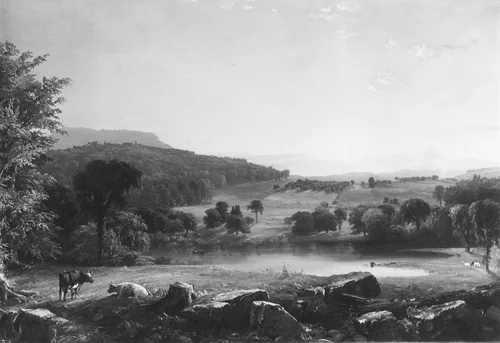
Throughout his prolific career, Cropsey distinguished himself through his dedicated exploration of light and seasonal atmosphere. While his contemporaries captured the general majesty of the landscape, Cropsey became known as the “Painter of Autumn,” demonstrating an unparalleled ability to render the intense, saturated hues of the Northeastern fall foliage. He possessed a visual intellect that treated color not merely as decoration, but as a critical element of form and spiritual expression—a quality that made his Jasper Francis Cropsey paintings immediately recognizable during his lifetime.
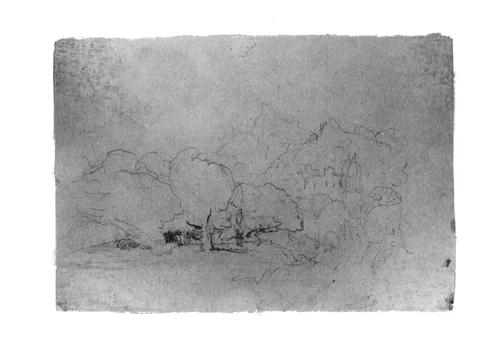
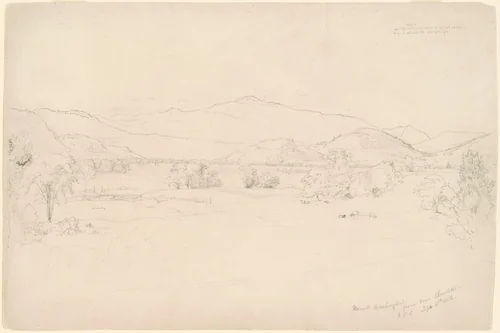
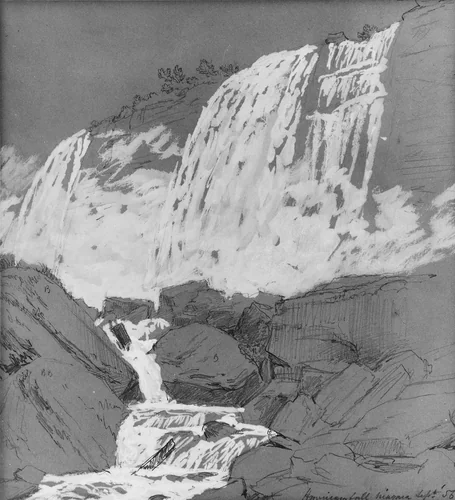
Today, his oeuvre is considered indispensable for understanding the development of American environmental aesthetics. Major works are maintained in the nation’s foremost institutions, including the Metropolitan Museum of Art and the National Gallery of Art. Scholars and enthusiasts increasingly turn to his graphic work; much of the detailed preparatory material and studies, like View of a Mountain [verso], are now firmly in the public domain. This allows for unparalleled access, enabling research and the creation of high-quality prints from original downloadable artwork, ensuring that the crystalline vision of Jasper Francis Cropsey prints remains widely available for study and appreciation.
Source: Wikipedia · CC BY-SA 4.0
![View of a Mountain [verso] by Jasper Francis Cropsey, drawing, 1823-1900](https://img.artbee.org/cc60e7b0-5a2a-4782-b2a0-08179486328e/small.webp)
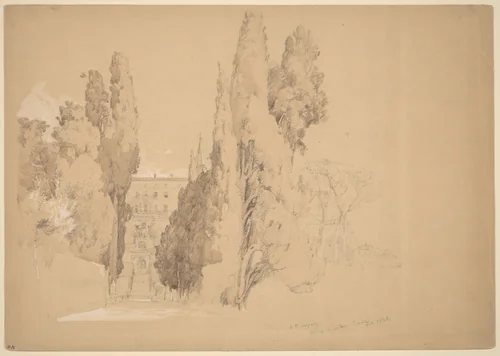
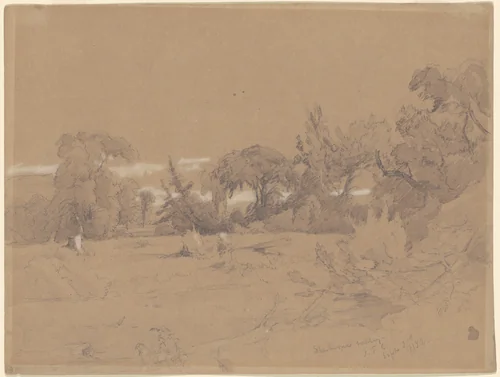
![View through the Trees at Tivoli [recto] by Jasper Francis Cropsey, drawing, 1848](https://img.artbee.org/56b248f4-6369-426b-91af-b3d6d2f0ddf5/small.webp)