Jaromír Funke
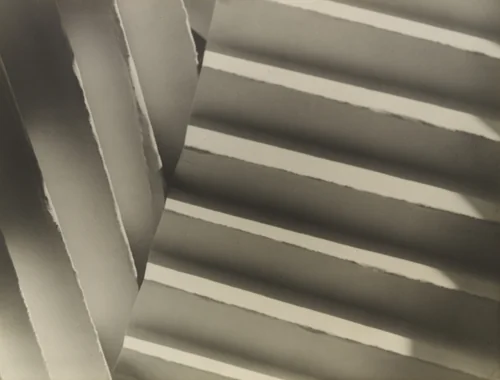
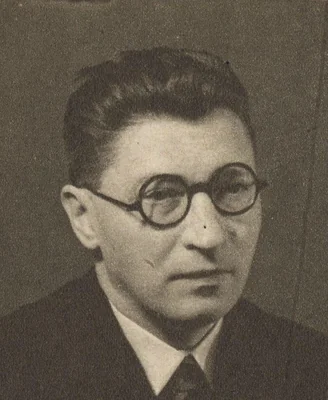
Jaromír Funke (1896-1945) stands as one of the pivotal figures who defined Czech modernist photography in the 1920s and 1930s. Active principally during a crucial period of European aesthetic restructuring, Funke helped transition photography from a derivative craft into a recognized, autonomous artistic medium. His most intensely experimental phase, roughly spanning 1923 to 1929, resulted in images that synthesized the formal rigor of international Constructivism with the distinctly lyrical Czech movement known as Poeticism.
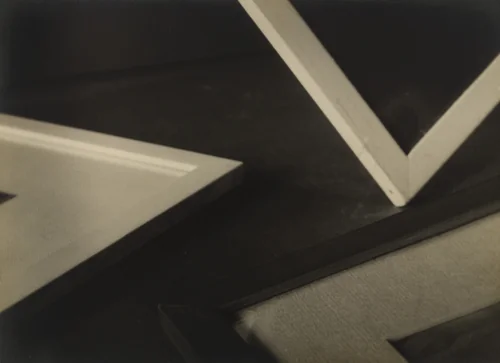
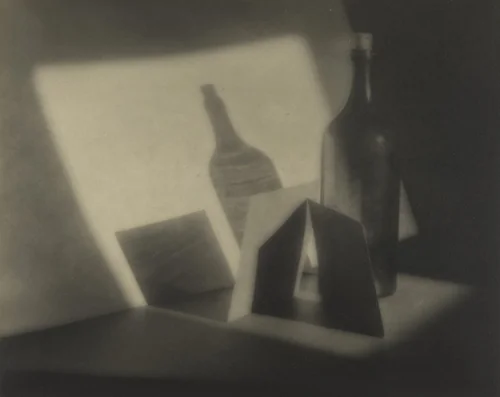
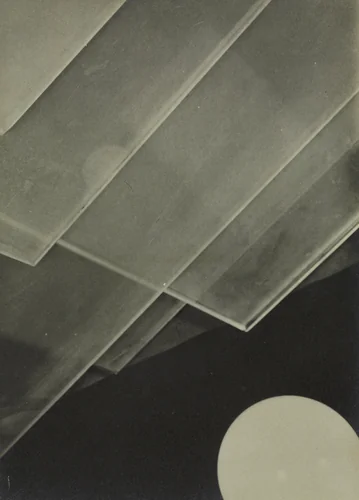
Working primarily in Prague, Funke abandoned the soft focus and romanticism of Pictorialism, embracing sharp focus, stark geometry, and complex explorations of light and shadow. His signature approach involved arranging common, often reflective objects, such as glass, mirrors, and geometric solids, to create visual paradoxes. Pieces like Still Life. Frames exemplify this method, where shadows become palpable, load-bearing elements of the composition, challenging the viewer’s perception of flatness and depth simultaneously. Such groundbreaking, often challenging images are today recognized as museum-quality works, held in prestigious collections such as the Museum of Modern Art.
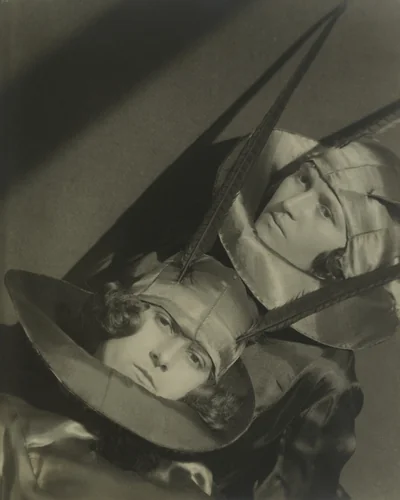
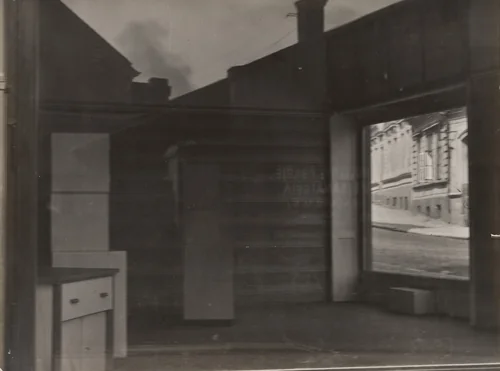
Beyond pure abstraction, Funke demonstrated a keen interest in the psychological effects produced by visual dissonance, often hinting at the emerging tenets of Surrealism. The atmospheric tension found in works like After the Carnival captures a slightly unsettling, vacant quality that reflects the subconscious narratives of the interwar urban landscape. While his photography was decidedly radical, Funke maintained a parallel career as a highly respected educator and theorist, writing extensively on the philosophical implications of the camera eye—a rare balance between aggressive visual innovation and academic analysis.
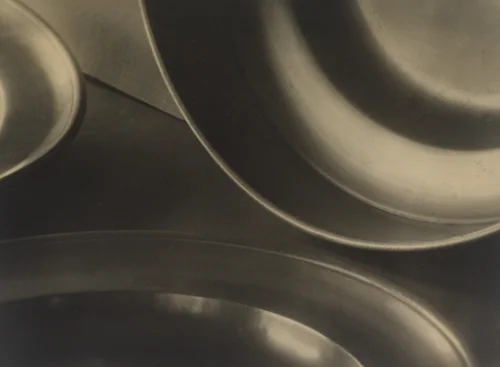
The relatively brief but prolific period of his modernist output remains essential to understanding Central European art history. Today, high-quality prints and downloadable artwork of his key compositions, including Plates and Composition, allow scholars and enthusiasts alike access to this crucial chapter of Czech modernism. Funke successfully pushed the boundaries of what photography could represent, firmly establishing its place within the European avant-garde.
Source: Wikipedia · CC BY-SA 4.0