Japan
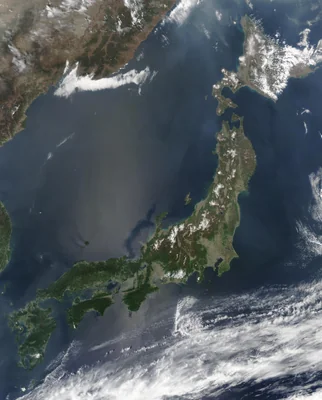
The artistic and material history of Japan is defined by its distinctive geography—an archipelago extending from the Sea of Okhotsk in the north to the East China Sea in the south. Approximately 75% of its terrain is mountainous and heavily forested, a reality that historically concentrated settlement and thus the early development of artistic production along the eastern coastal plains. This physical isolation fostered unique, millennia-long cultural lineages that shaped craft from the earliest periods, a focus reflected in the timeline spanning from 1000 BCE to 1601 CE.
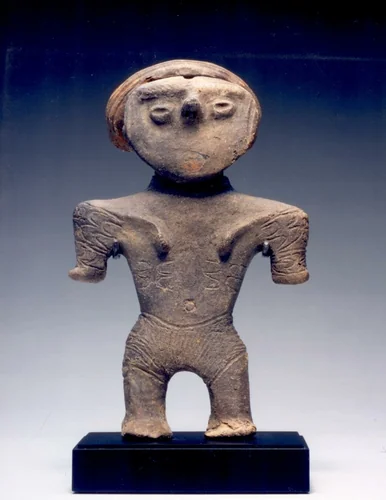
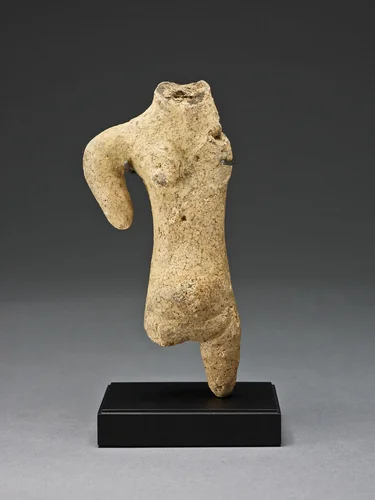
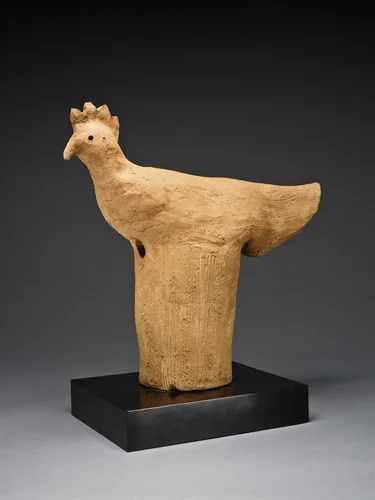
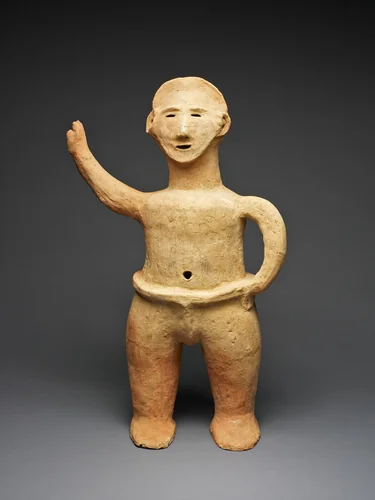
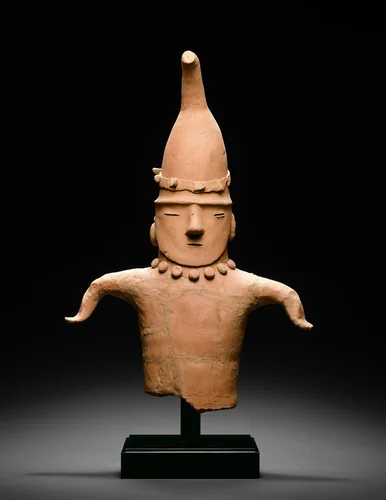
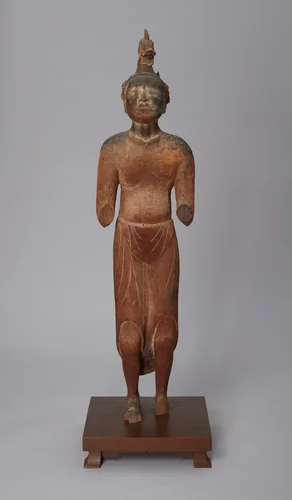
The earliest significant contributions to the visual arts center on complex ceramics and expressive sculptural works, many serving ritualistic or funerary functions. These objects articulate a profound interest in cosmology, human form, and the natural world. Among the extant works that define this early period are powerful examples of abstract and representational figures, including the distinctive Female Figurine with Topknot and the intensely intimate Partial Figure of a Pregnant Women. These works, often executed in earthenware, demonstrate an early mastery of three-dimensional modeling.
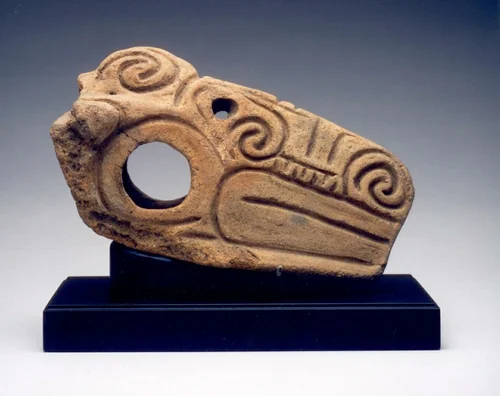
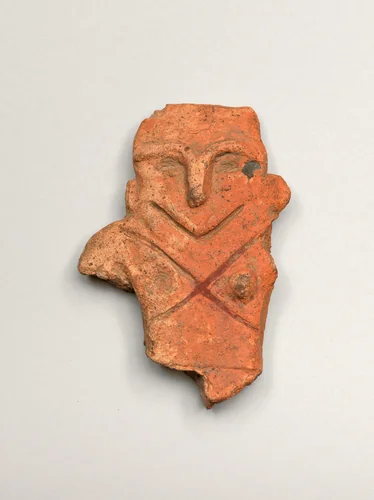
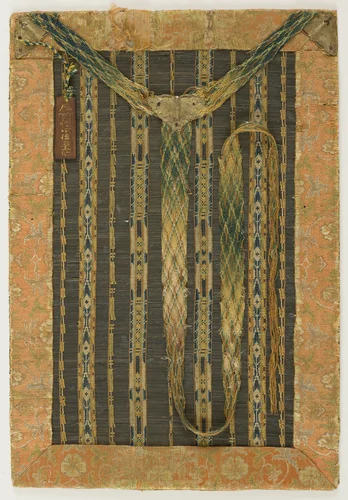
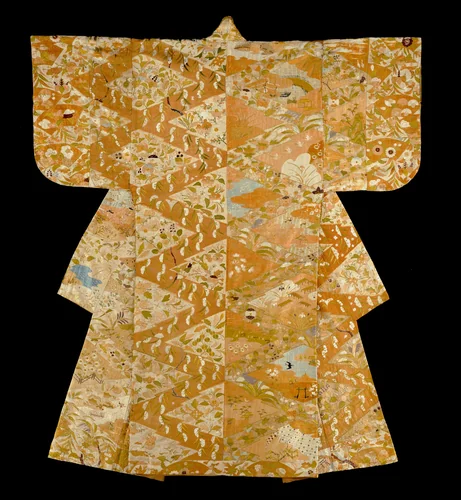
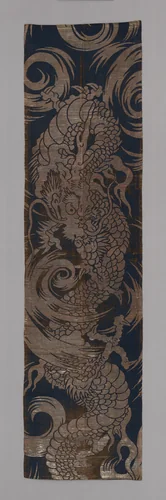
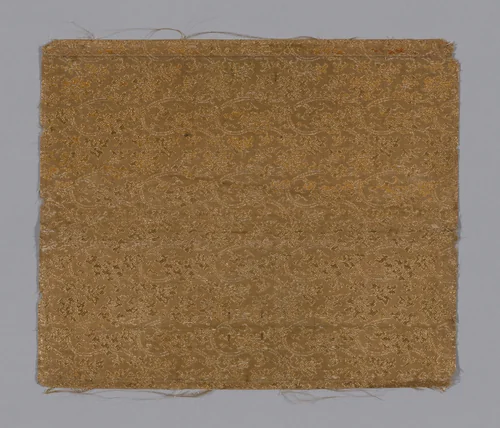
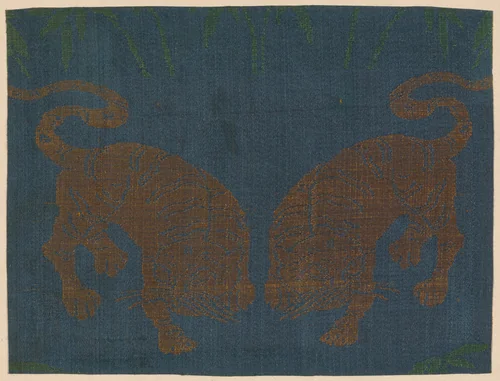
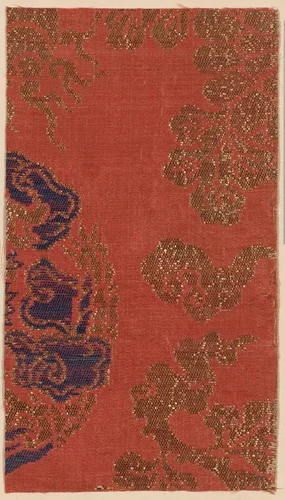
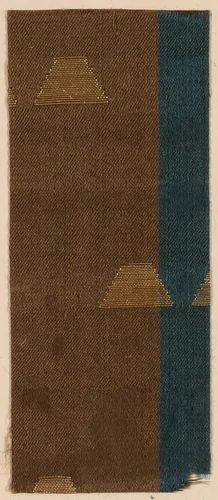
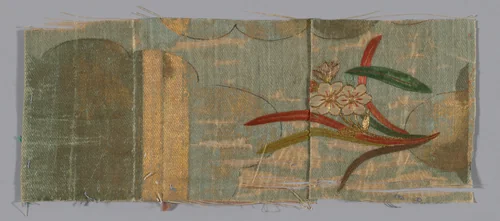
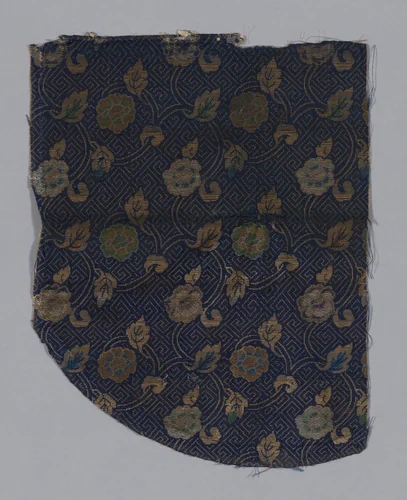
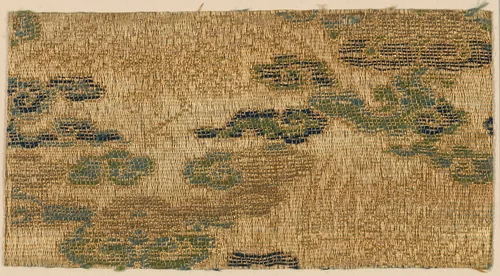
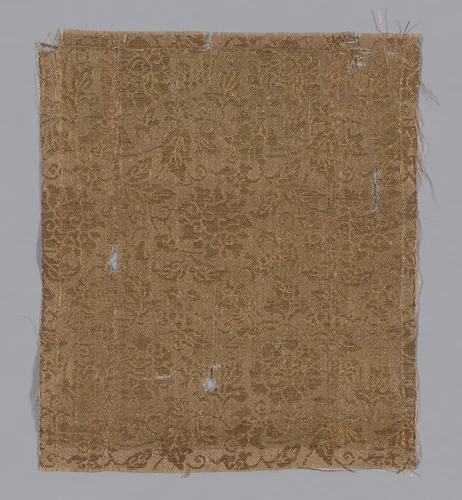
Material culture from this era also embraced the functional aesthetic, exemplified by pieces such as the meticulously rendered Handle in the Form of an Animal Head. A collection of five textiles further attests to the early integration of design into utilitarian objects. However, perhaps the most arresting piece remains the enigmatic Smiling Figurine. This small work stands out not just for its technical skill, but for its unusual emotional resonance, offering a rare, early glimpse into purely character-driven expression within the archaic lexicon.
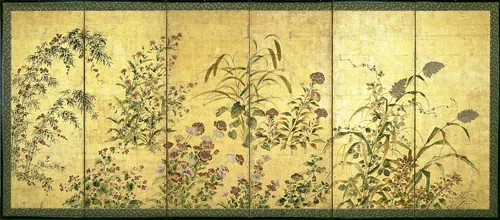
The pioneering craft documented during this period forms the essential foundation of subsequent art movements. Today, many of these museum-quality works are housed in significant global institutions, including the Art Institute of Chicago, providing scholars and enthusiasts rich primary sources. The legacy of these early achievements persists, influencing design and composition in modern Japan prints and paintings, ensuring their continued relevance as royalty-free resources for study and appreciation.
Source: Wikipedia · CC BY-SA 4.0