Jane Martha St. John
Jane Martha St. John holds a significant, if narrowly defined, place among the pioneering English photographers of the mid-nineteenth century. Active for only a fleeting period between 1853 and 1856, St. John specialized in the calotype process, a defining early photographic method that utilized paper negatives. This choice of medium, known for its characteristic painterly texture and diffused light effects, immediately set her work apart from the sharp precision offered by the competing daguerreotype process.
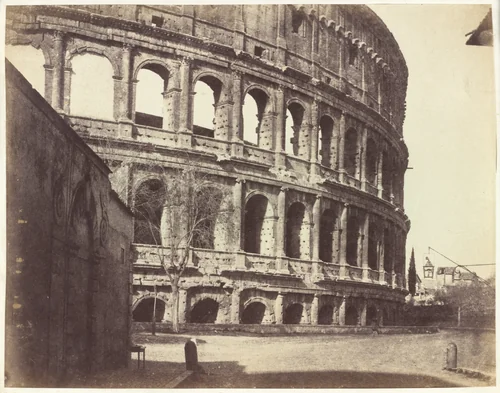
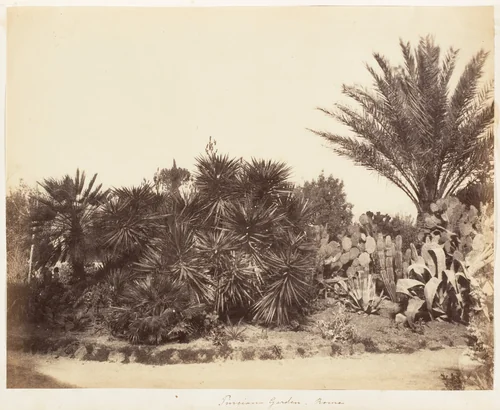
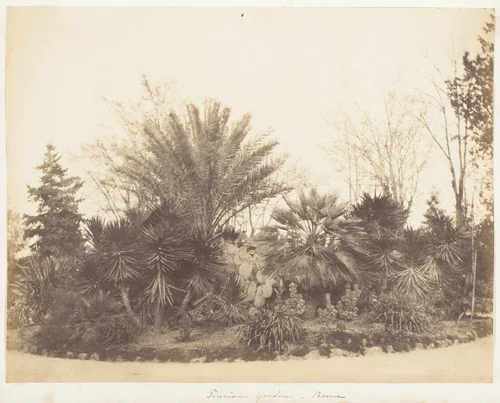
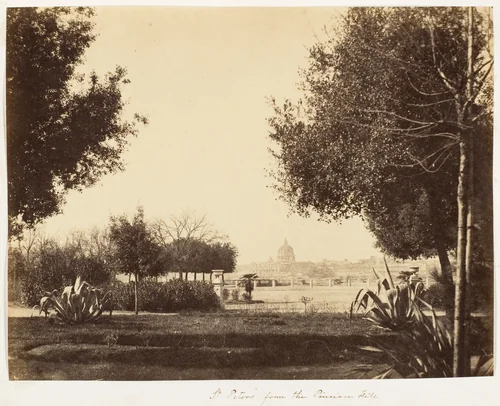
Her primary subjects were the classical ruins and scenic topography of Italy, capturing the essential romance and rugged decay that defined the era's grand tour aesthetic. Though her documented output is limited to just twelve surviving photographs, these works offer an invaluable record of early photographic exploration outside the confines of the controlled studio environment.
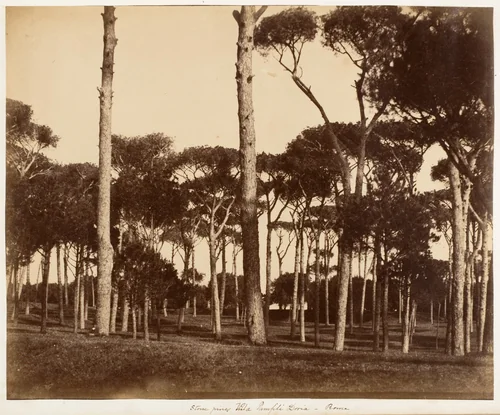
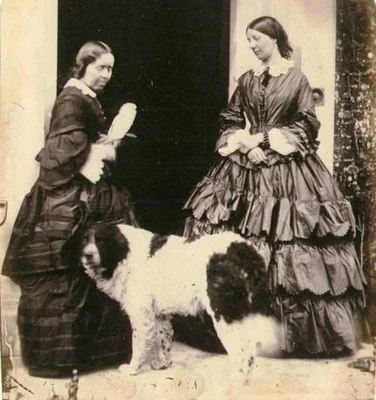
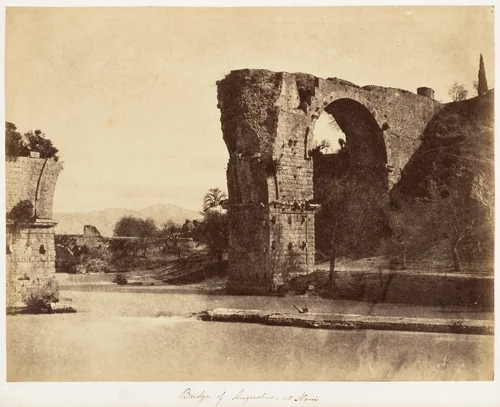
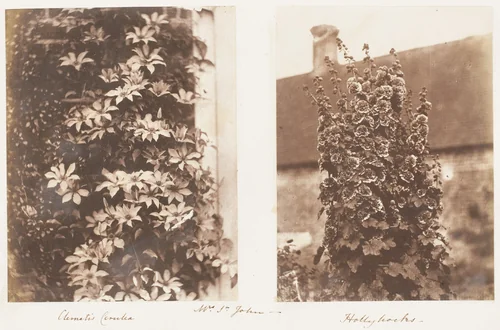
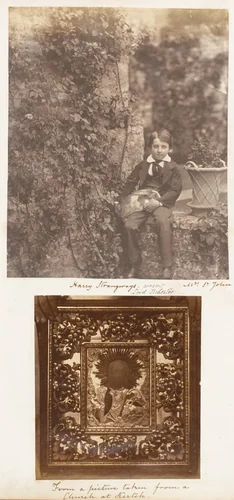
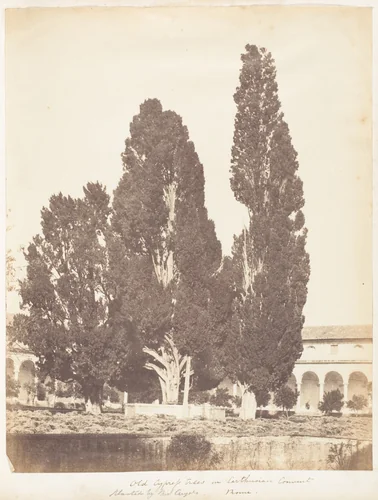
St. John’s subjects display a remarkable versatility within her short career. While she is best known for architectural studies, such as the impressive depiction of the ancient infrastructure in Bridge of Augustus at Nani and the quiet contemplation of Old Cypress Trees in Carthusian Convent, Rome, she also successfully navigated portraiture and delicate botanical subjects. The composition of Clematis Cerulea; Hollyhocks demonstrates an eye for structure and detail, contrasting sharply with the archival military record found in Harry Strangways, present Lord Ilchester; From a Picture Taken from a Church at Kertch. One must admire the sheer logistical fortitude required to manage the bulky, chemical-laden equipment necessary for calotype printing while touring the Continent; photography in the 1850s was hardly a casual pursuit.
Despite her minimal catalog, St. John’s enduring impact is confirmed by the placement of her photographs in major institutional collections, including the J. Paul Getty Museum and the Metropolitan Museum of Art. These holdings validate the historical and artistic weight of her contribution, guaranteeing their long-term preservation as museum-quality photographic artifacts. A selection of her high-quality prints, now valued documents of early travel photography, has entered the public domain, making this unique glimpse into mid-Victorian Italy widely available as downloadable artwork for scholarly study and appreciation.
Source: Wikipedia · CC BY-SA 4.0
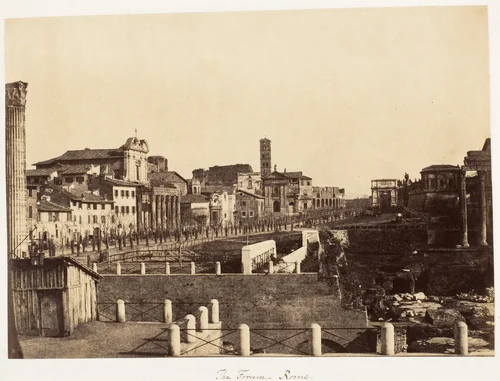
![[Arch of Titus] by Jane Martha St. John, photograph, 1853-1856](https://img.artbee.org/2e2b9b44-902e-497a-b7cc-f2e3382e35d5/small.webp)