Jan Wijnants
Jan Jansz Wijnants (active c. 1600-1660) was a pivotal figure in the evolution of the Dutch Golden Age landscape tradition. A painter who operated primarily in Haarlem and later in Amsterdam, Wijnants specialized in subtly dramatic, highly textured depictions of woodlands, dunes, and rural byways, fundamentally influencing how succeeding generations approached nature painting.
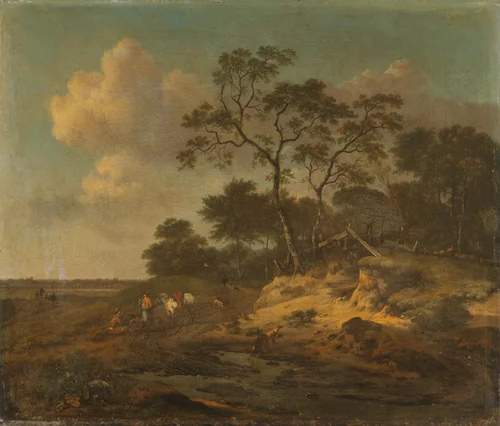
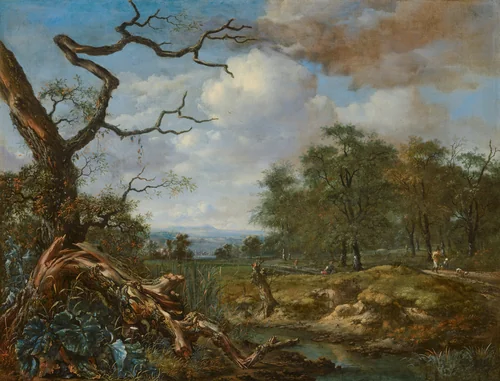
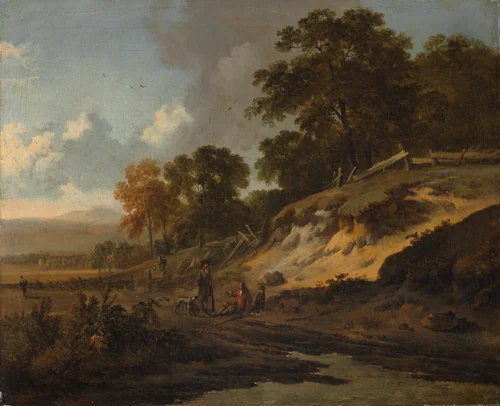
Wijnants’s artistic method is characterized by a remarkable precision in the rendering of light and shadow, particularly visible in works such as Dune Landscape with Hunters Resting. He mastered the technique of creating vast, receding vistas, typically anchoring the foreground with meticulously painted gnarled trees, sandy banks, or small anecdotal figures. This careful arrangement of elements granted his compositions both sweeping depth and a sense of inviting intimacy.
His historical impact proved substantial; the great English portraitist and landscape artist Thomas Gainsborough reportedly studied Wijnants’s work closely, utilizing his methods for conveying complex atmospheric effects and the delicate articulation of sandy terrain. Wijnants’s technical achievements ensure that these Jan Wijnants paintings retain their enduring museum-quality appeal nearly four centuries later.
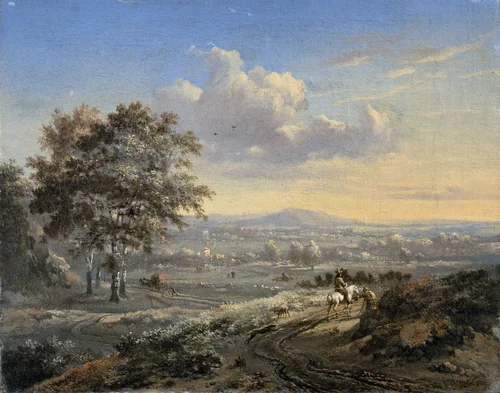
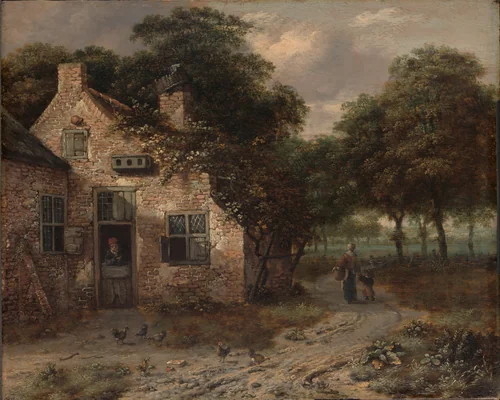
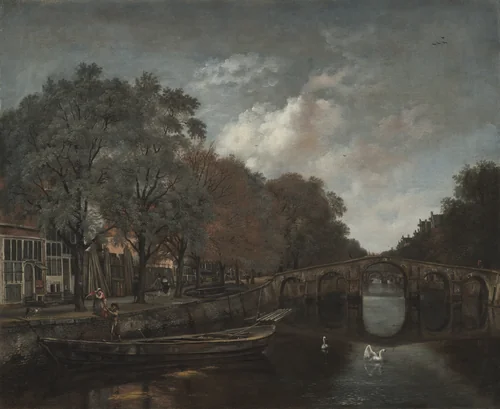
While Wijnants is perhaps best known for capturing the solitude of the Dutch countryside, as seen in Hilly Landscape with a Rider on a Country Road and the domestic charm of The Farmhouse, his competence extended beyond the rural idyll. The existence of the urban topographical view Herengracht, Amsterdam in his catalog reveals a versatility often overlooked when classifying landscape specialists. This shift from sandy roads to patrician canals demonstrates a robust observational skill applicable across disparate subject matter.
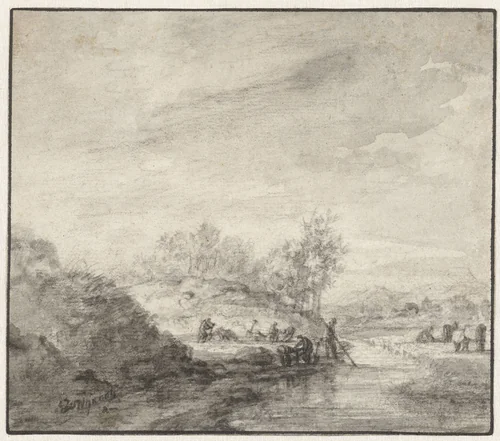
Wijnants’s output, encompassing five known paintings and at least one drawing, is carefully preserved in premier global institutions, including the Mauritshuis, the Rijksmuseum, and the Cleveland Museum of Art. His enduring clarity and technical mastery secure his position as an essential antecedent to the fully developed 18th-century landscape style. For scholars and enthusiasts, many of his significant pieces are held in the public domain, meaning high-quality prints derived from his originals are widely accessible today.
Source: Wikipedia · CC BY-SA 4.0