Jan Wellens de Cock
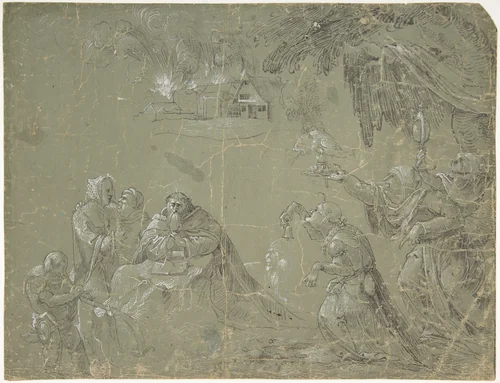
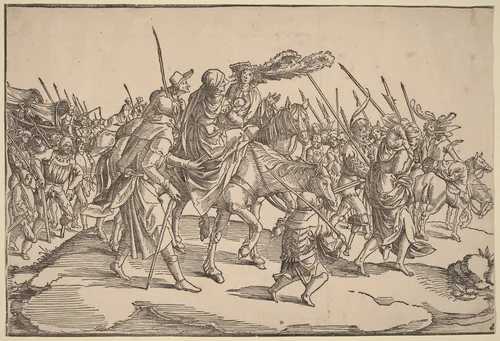
Jan Wellens de Cock (active 1490-1522) stands at the complicated intersection of Netherlandish Renaissance printmaking and modern art historical attribution. Though traditionally celebrated as a key Flemish figure active in Antwerp, recent scholarly re-evaluation has dramatically shifted the understanding of his output. The small but powerful corpus of drawings and striking, atmospheric prints historically assigned to the name “Jan Wellens de Cock” reveals an artist or group of artists deeply engaged with the innovations of Hieronymus Bosch, specializing in unsettling, highly detailed visions of spiritual struggle and fantastic topography.
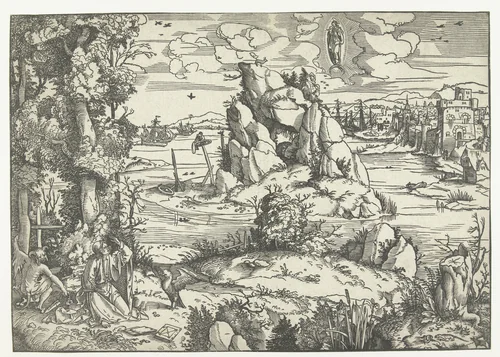
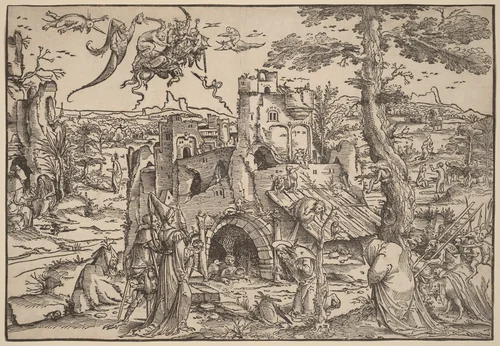
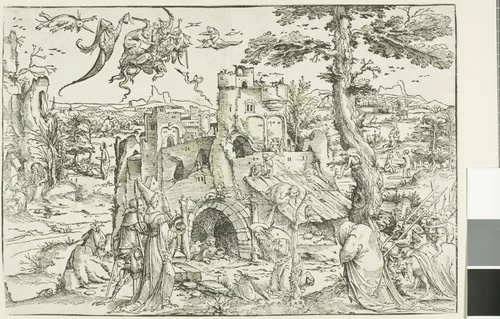
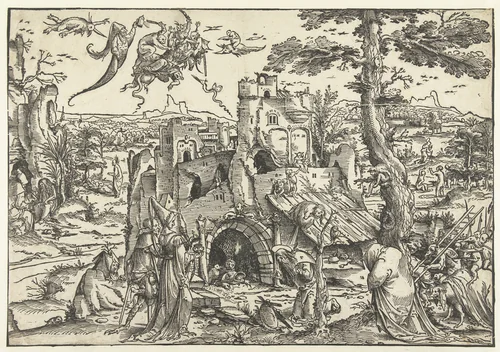
This body of work, comprising just a handful of compelling images, is represented in major international institutions including the Metropolitan Museum of Art and the Rijksmuseum. The core of the output includes works like Johannes op het eiland Patmos and the profoundly imaginative Temptation of St. Anthony, a subject that provided a fertile ground for imaginative expression in the early sixteenth century. This particular print is notable for its accompanying verso study, Fantastic Landscape, which demonstrates a revolutionary approach to integrating human activity within sublime, strange natural settings.
Crucially, modern research suggests that the entirety of the œuvre may in fact belong to one or more anonymous figures, often referred to by the neutral designation Pseudo Jan Wellens de Cock. These unidentified masters were likely active either in Antwerp or within the immediate circle of Cornelis Engebrechtsz. in Leiden. This reassignment acknowledges the inherent difficulty in separating the hands within collaborative workshops of the period, particularly when dealing with ephemeral media like prints and drawings.
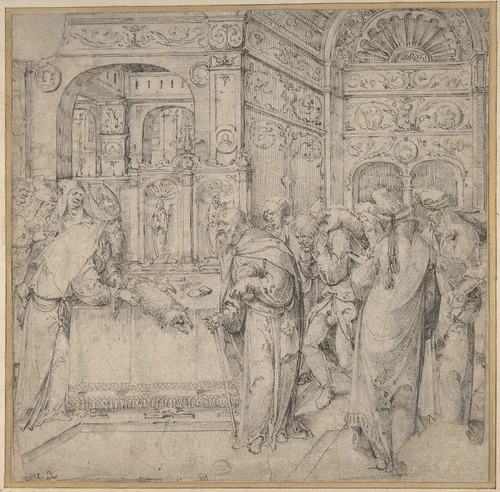
Regardless of the true identity behind the signature, the resulting works achieved remarkable influence, pioneering the dark, psychologically charged style that would become characteristic of Northern Mannerism. The detailed draftsmanship evident in pieces such as Joachim's Offering Refused illustrates a technical facility coupled with a wry, unsettling narrative flair. These highly original works are now frequently documented and reproduced. They are often available to researchers and collectors as high-quality prints via museum programs, making the compelling visual narratives of this mysterious figure readily accessible in the public domain. The enduring power of these challenging and beautiful compositions ensures the legend of Jan Wellens de Cock, or his pseudonymous counterpart, remains a vivid chapter in early Netherlandish art.
Source: Wikipedia · CC BY-SA 4.0