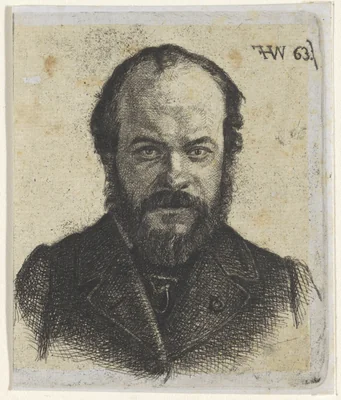
Jan Weissenbruch
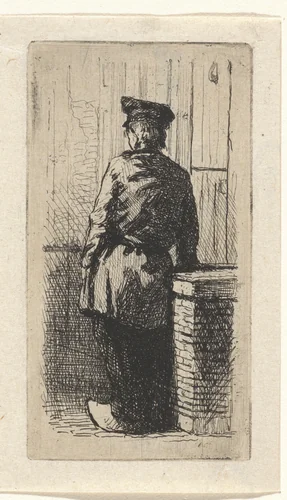
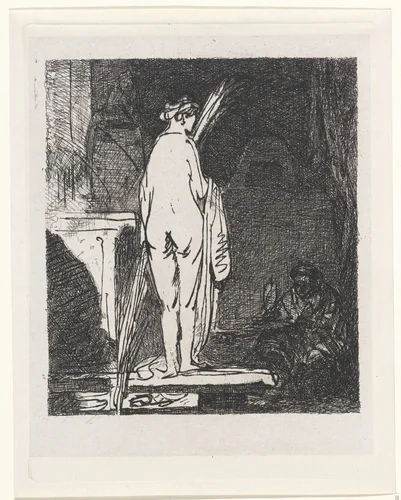
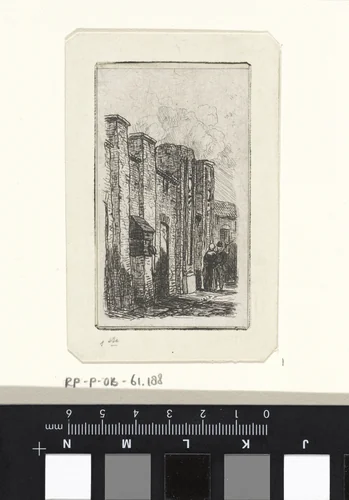
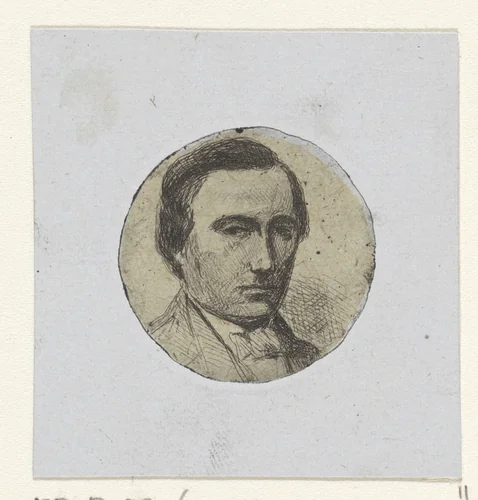
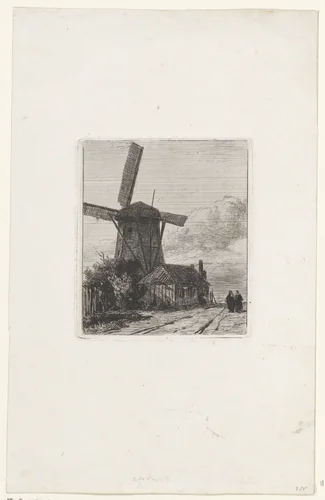
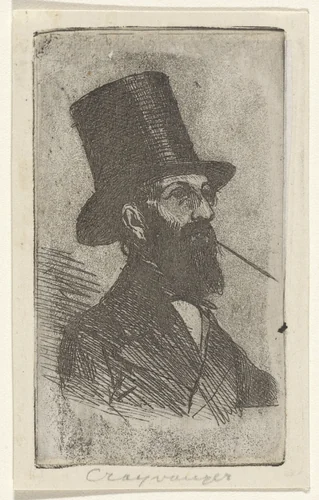
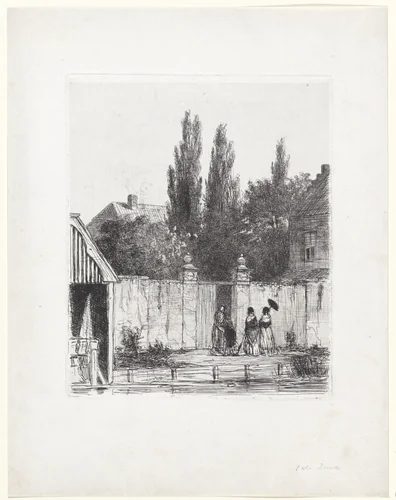
Jan Weissenbruch was a 19th-century Dutch painter whose brief but concentrated artistic output centered predominantly on graphic works, establishing him as a skilled practitioner of topographical and scenic representation. Active between 1832 and 1837, Weissenbruch focused his early career on capturing the precise character of Dutch life and the national landscape. His works provide valuable early records of the shifting geography and architecture of the period.
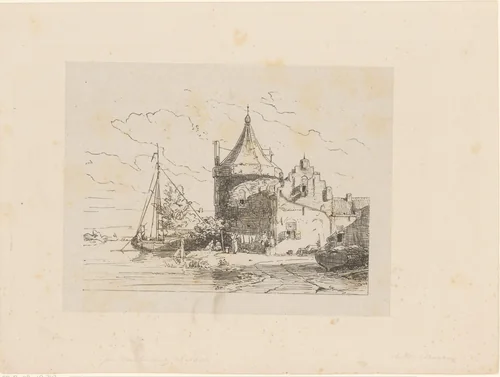
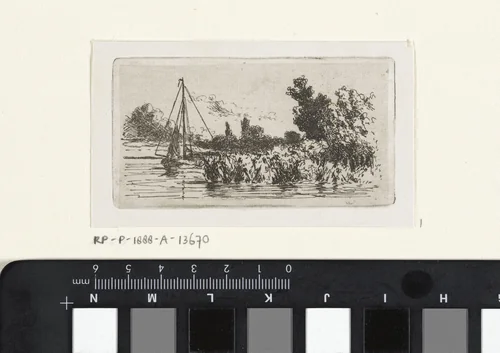
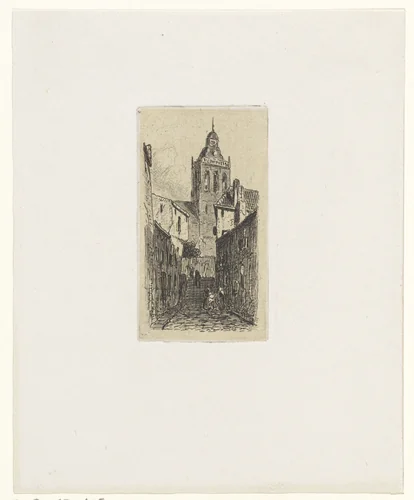
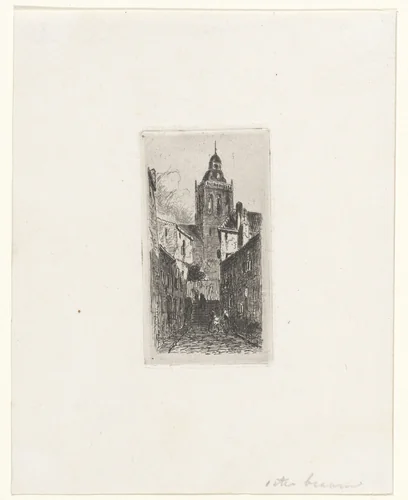
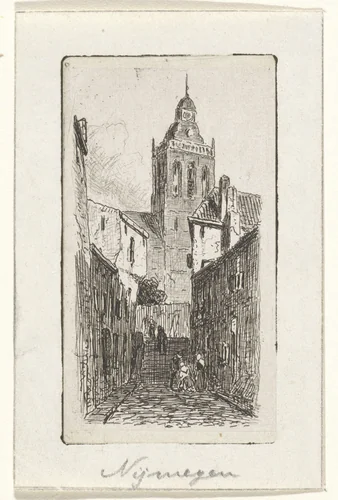
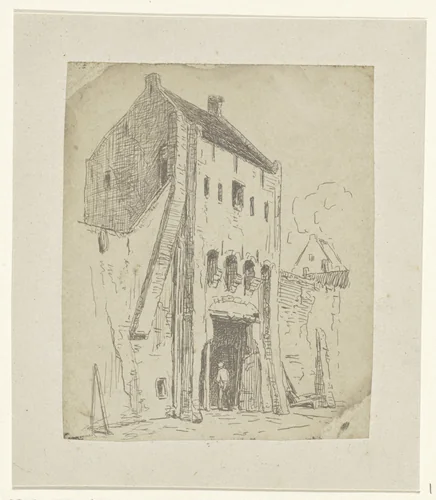
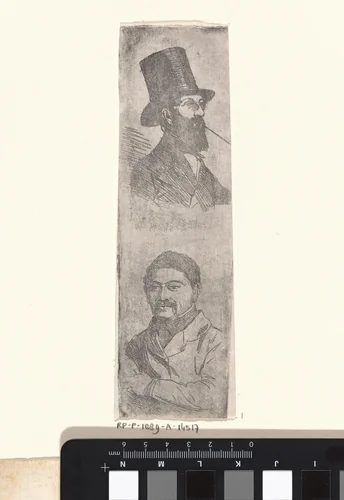
The core of his catalog, comprising fourteen prints and one surviving photograph, reveals an affinity for the technical precision necessary for etching and lithography. Unlike many of his contemporaries who specialized solely in oil, Weissenbruch's contributions were largely in reproducible media. This approach meant his artistic reach extended further, ensuring that the details captured in pieces like Gezicht op een meer met boten and the structurally accurate Gezicht op de Waltoren te Culemborg were widely distributed and studied. Many of these historically significant images are now digitized and available as high-quality prints for institutional research.
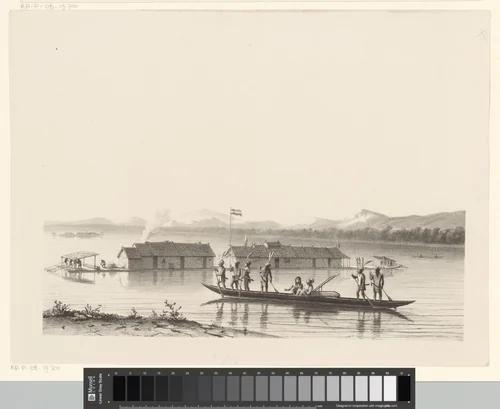
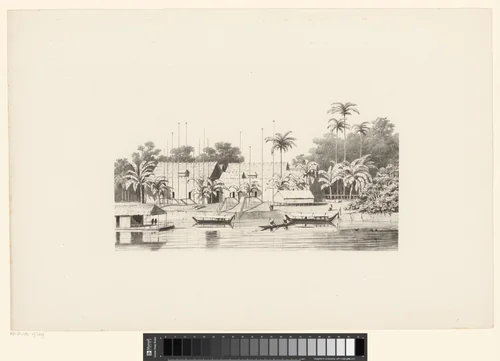
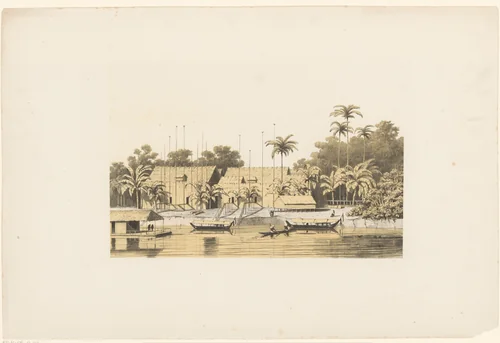
Weissenbruch’s favored subject was the Netherlands’ complex network of waterways, demonstrated through views such as Gezicht op de Lek. Yet, within this localized focus, a curious thematic departure exists: two prints titled Riviergezicht in Azië. Given the constraints and travel technologies of the era, these works suggest an intriguing, though perhaps indirect, engagement with the global expansion of visual culture. Whether these pieces were derived from other artists’ travel lithographs or reflected an uncommon personal journey, they provide a fascinating counterpoint to his grounded Dutch scenery.
Although his period of activity was relatively short, Weissenbruch’s precise and meticulous output secured his place within institutional collections. Today, his surviving prints and the rare photographic document reside in major holdings, most notably the Rijksmuseum in Amsterdam. The accessibility of these early works means that much of his legacy is now preserved in the public domain, offering valuable insight into the graphic arts lineage of the 19th-century Low Countries.
Source: Wikipedia · CC BY-SA 4.0