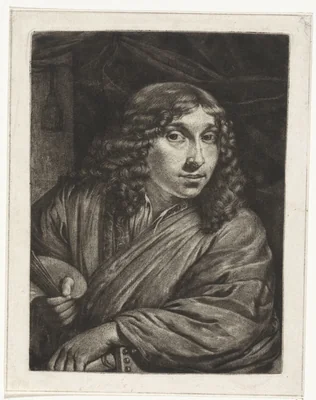
Jan Verkolje
Jan Verkolje (Johannes Verkolje, 1650-1693) occupies a distinctive position in the latter half of the Dutch Golden Age, distinguished by his dual mastery of painting and the newly emerging print technique of mezzotint. Although his initial training occurred in Amsterdam, Verkolje strategically established his active professional career in Delft. This setting provided him with essential access to a refined circle of powerful local patrons, enabling him to specialize in commissioned portraits and sophisticated domestic scenes.
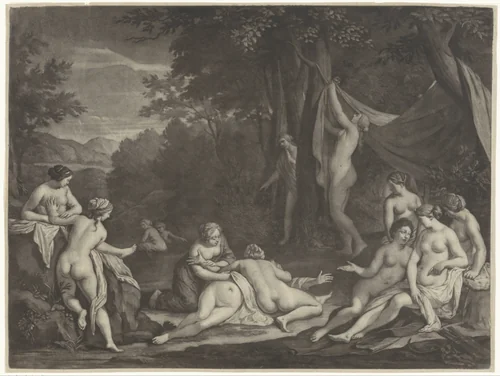
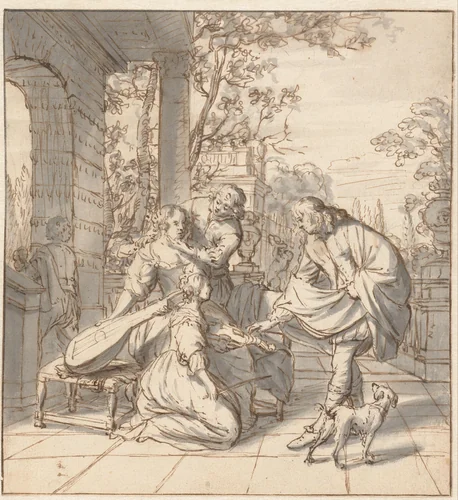
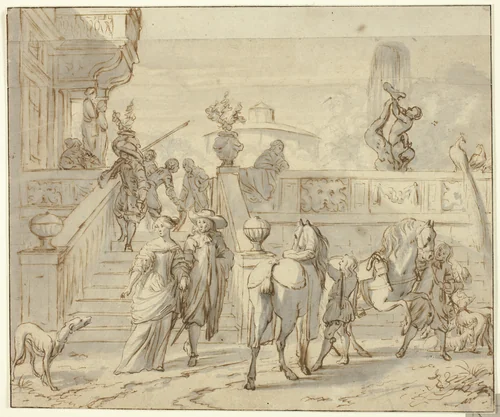
Verkolje’s painted oeuvre is best known for its polished genre pieces, which often feature elegant couples engaged in subtle, sometimes ambiguous, social interactions within luxurious interiors. These Jan Verkolje paintings display the meticulous attention to light, texture, and domestic detail common among Delft School artists. While celebrated for these social documents, he also executed mythological and religious compositions, demonstrating the versatility required of a successful 17th-century painter.
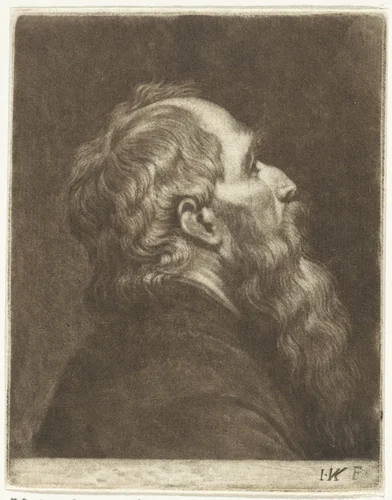
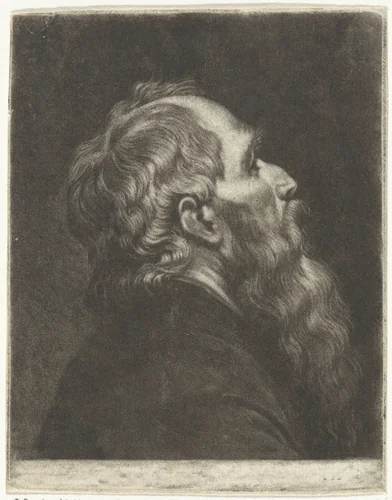
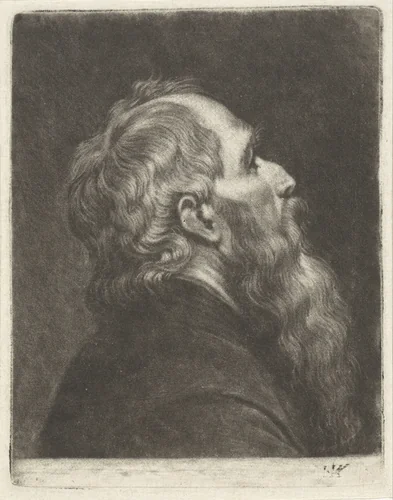
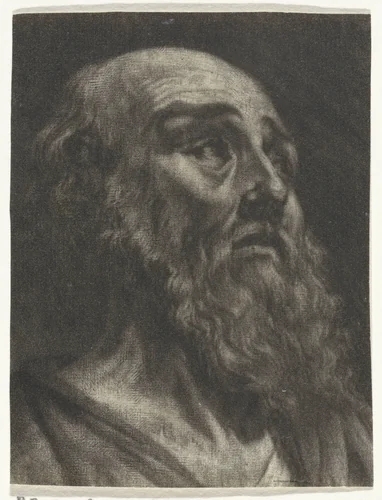
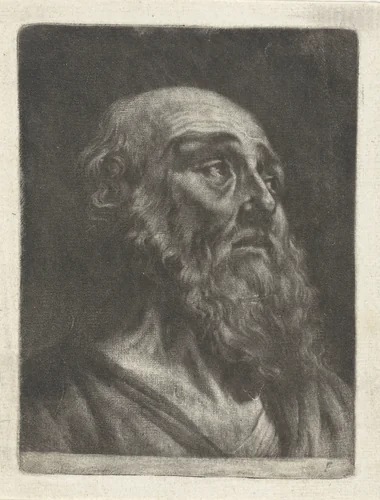
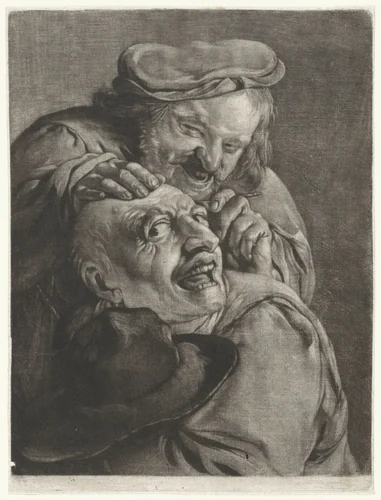
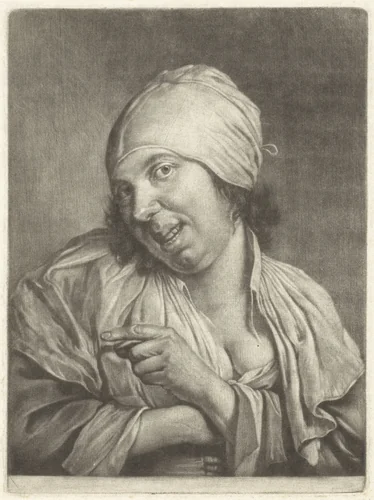
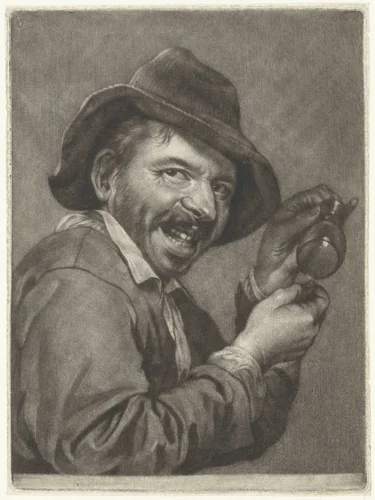
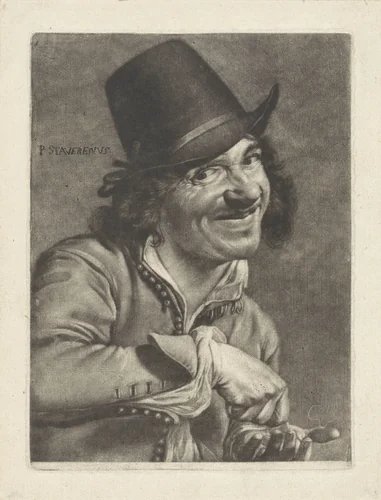
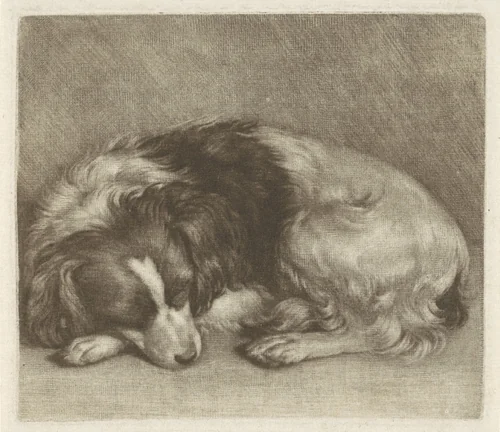
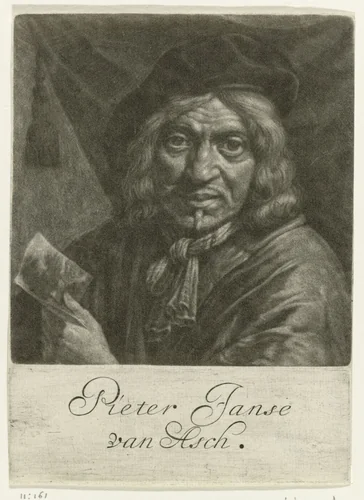
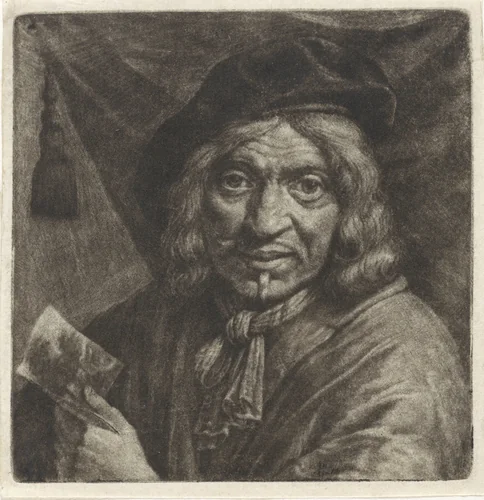
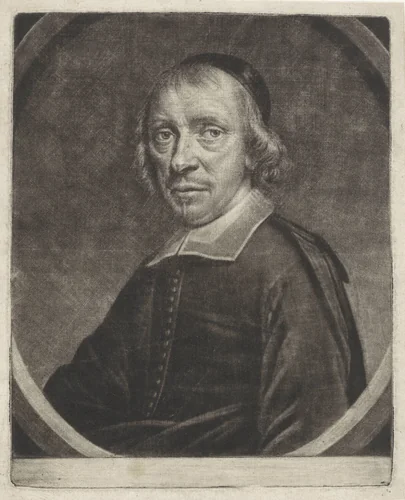
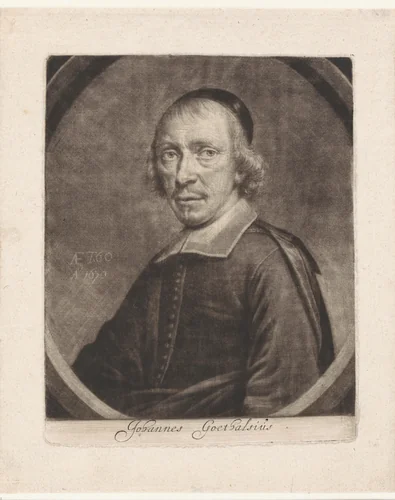
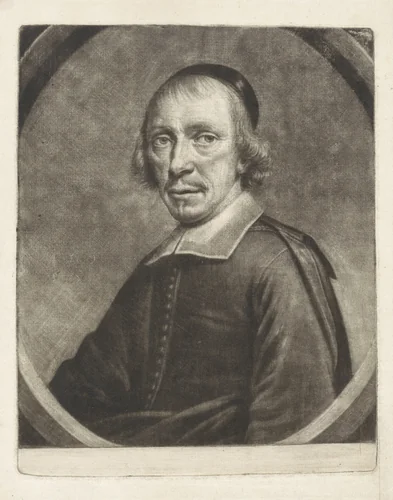
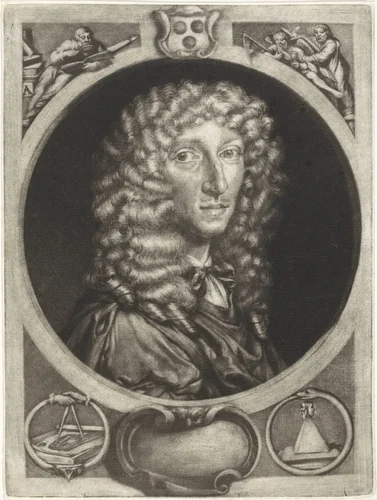
However, Verkolje’s most innovative contribution to art history rests in his technical proficiency as an engraver. He became one of the foremost practitioners of mezzotint, a difficult process lauded for its ability to produce deep, velvety black tones and exceptional chiaroscuro effects, perfectly suited for rendering the subtle variations of light on fabric and skin.
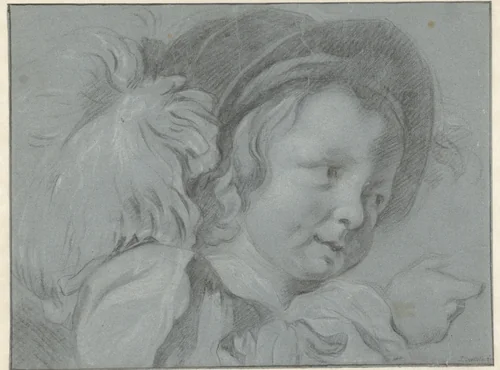
It is a curious historical observation that while Verkolje earned fame painting the fashionable elite, a significant portion of his surviving graphic work, such as the numerous studies titled Buste van een man met een baard, in profiel, consists of rigorous, dispassionate physiognomic studies. These Jan Verkolje prints reveal an intellectual commitment to character delineation, proving him as adept at conveying the rough textures of old age as he was at detailing silk and lace.
Verkolje’s work offers important insights into the evolving aesthetic tastes of the Netherlands. Due to his work's widespread influence and age, much of his surviving graphic output, including examples held by institutions like the Rijksmuseum, is now classified in the public domain. This accessibility allows curators and scholars worldwide to obtain high-quality prints and examine the technical brilliance that solidified Jan Verkolje’s reputation as a key innovator in the art of the portrait and the print.
Source: Wikipedia · CC BY-SA 4.0