Jan van Ossenbeeck
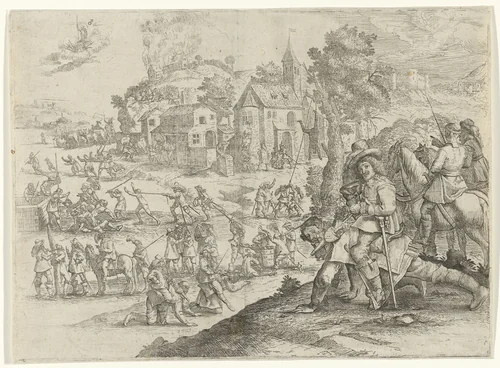
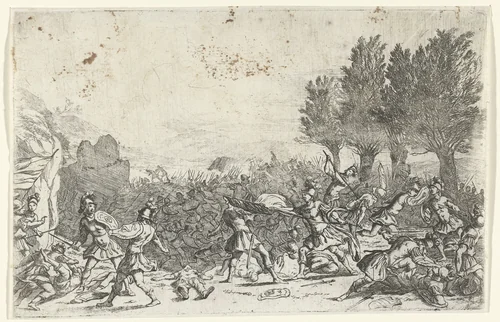
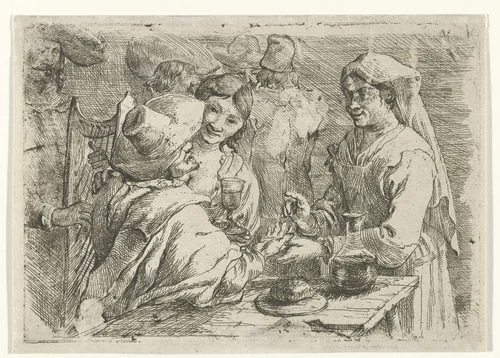
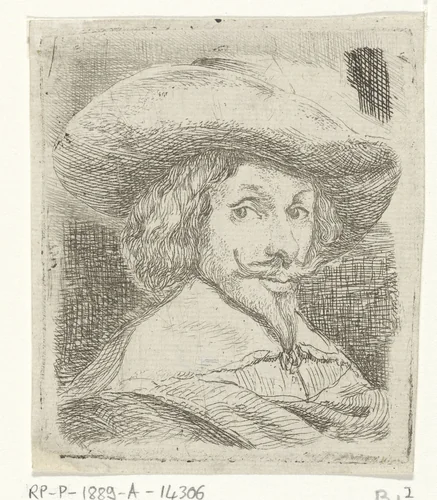
Jan van Ossenbeeck, active between 1619 and 1647, was a significant figure of the Dutch Golden Age. While historical records often designate him a painter, his enduring legacy resides in a concise and masterful body of graphic work, specifically fourteen known prints and a solitary drawing. The placement of these meticulously crafted images in permanent collections, including the Rijksmuseum in Amsterdam and the Metropolitan Museum of Art in New York, confirms his high standing within the tradition of 17th-century European printmaking.
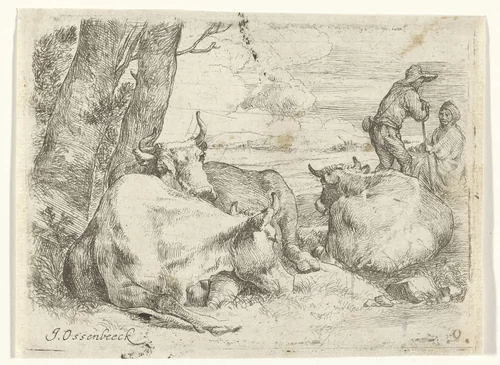
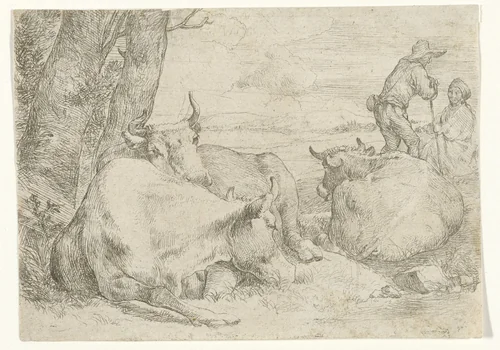
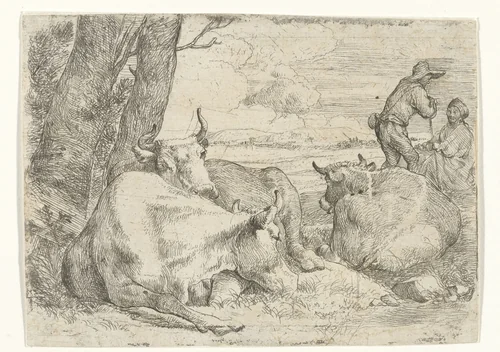
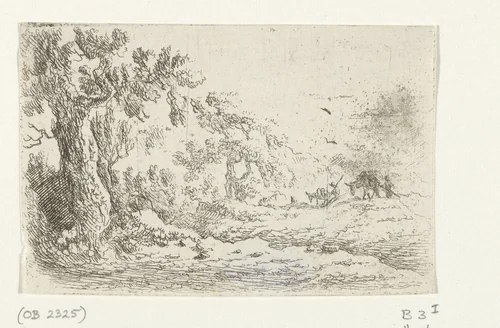
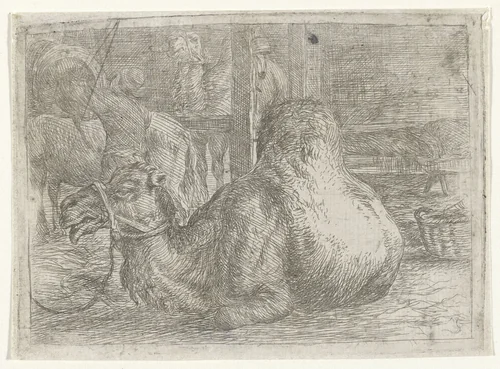
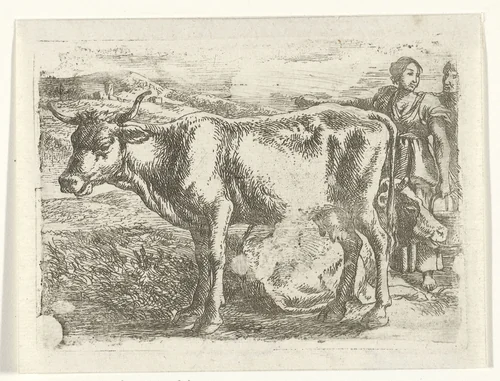
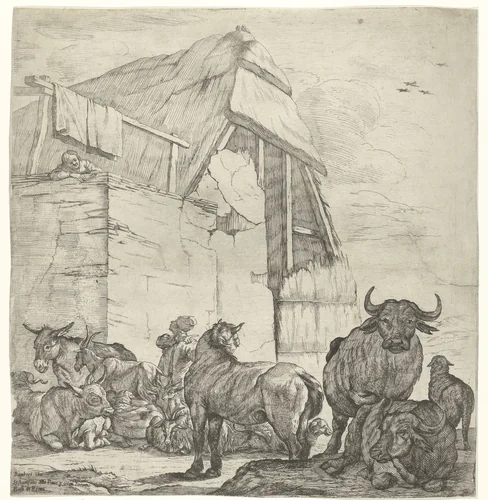
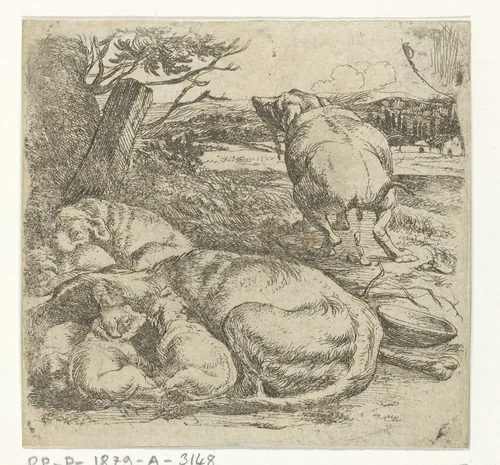
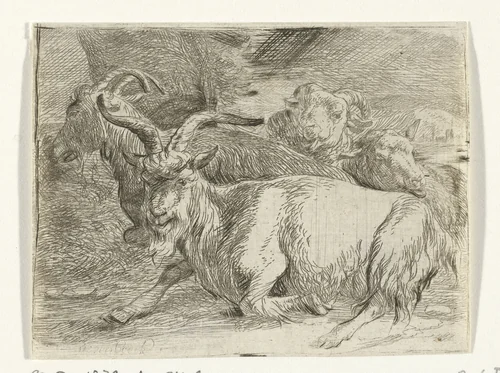
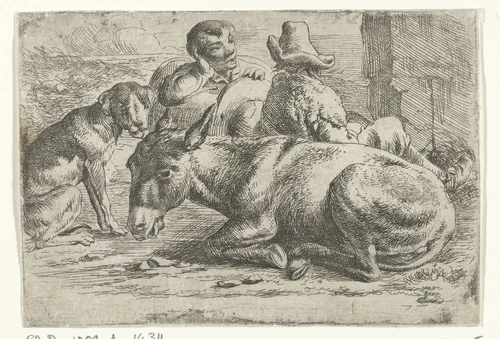
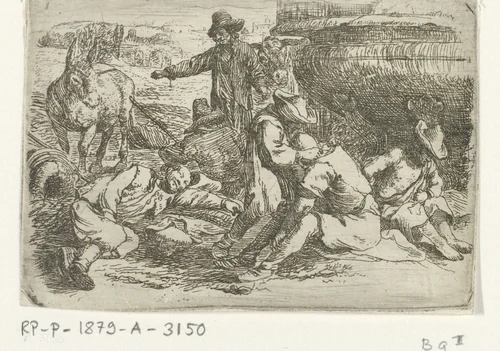
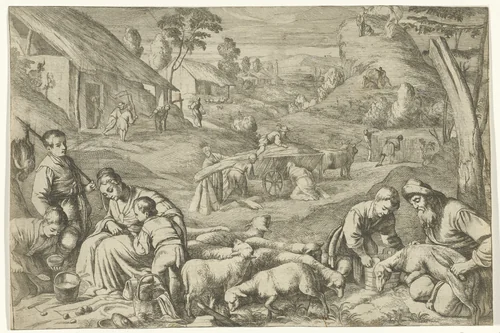
Van Ossenbeeck specialized almost exclusively in small-scale pastoral and quotidian scenes. His works, such as Landschap met twee ezehoeders (Landscape with two donkey herders), and the repeated subject series Drie koeien en twee herders, demonstrate a foundational interest in rural labor and livestock. These compositions frequently adopt the structure and light typical of the Italianate mode, incorporating dramatic shadows and classical ruins that suggest a direct influence from the Bamboccianti or from Northern artists who had made the journey to Rome. These idyllic, yet unsentimental, observations of everyday life provided a powerful counterpoint to the more bombastic landscape genre popular at the time.
The technical proficiency evident in the surviving Jan van Ossenbeeck prints ensured their wide circulation among collectors. As an art form highly conducive to reproduction, prints of this nature were essential in transmitting artistic styles and subjects across borders. Today, these items continue to provide valuable insight into Golden Age visual culture, often made available as high-quality prints for study and appreciation through digitization initiatives.
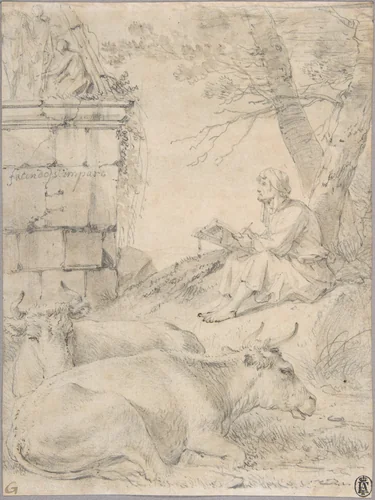
Perhaps the most telling piece in his extant oeuvre is the single drawing, Artist Drawing in an Italianate Landscape. This self-reflexive subject, featuring an artist at work amidst idealized scenery, subtly underscores a curious distinction in the artist’s career: though chronicled as a painter, his professional permanence was secured by his masterful control of the etching needle. Van Ossenbeeck’s compact contribution remains an indispensable chapter in the history of Dutch graphic arts.
Source: Wikipedia · CC BY-SA 4.0