Jan van Kessel
The designation Jan van Kessel refers not to a single individual, but to a significant and complex family of painters whose specialization helped define 17th-century Flemish and Dutch art. Operating primarily between 1635 and 1665, this dynastic complexity encompasses at least six active artists, requiring historians to carefully distinguish between the Antwerp specialists in still life and the Amsterdam masters of landscape.
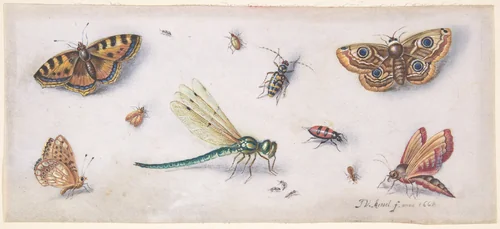
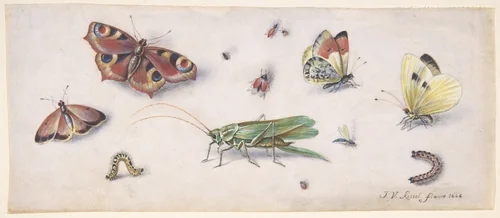
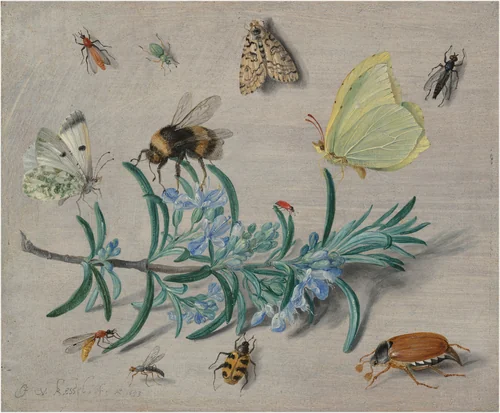
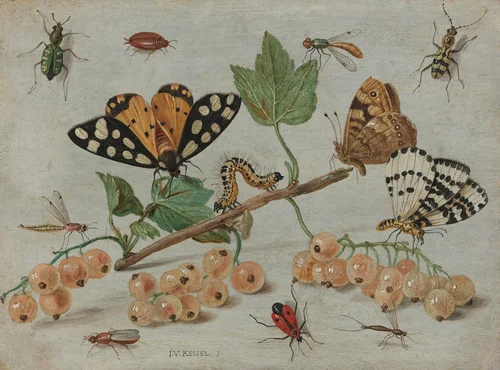
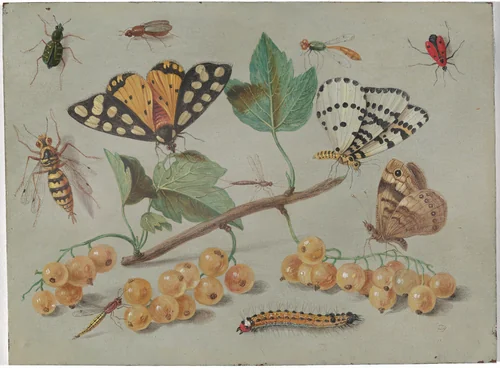
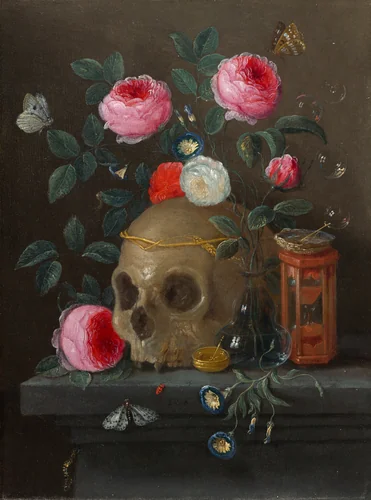
The most renowned member is Jan van Kessel the Elder (1626-1679), based in Antwerp, who focused on exquisite, jewel-like renderings of the natural world. His unique contribution lies in the miniaturist precision of his botanical and zoological studies. Works such as Insects, Butterflies, and a Dragonfly and Insects and a Sprig of Rosemary demonstrate a staggering commitment to microscopic observation, often painted on small copper plates or vellum. These pieces are celebrated today for their scientifically accurate detail and their unique blend of natural history documentation and decorative art.
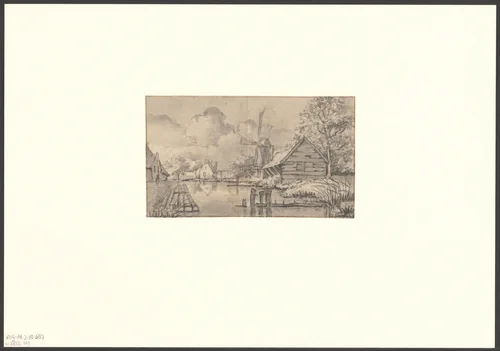
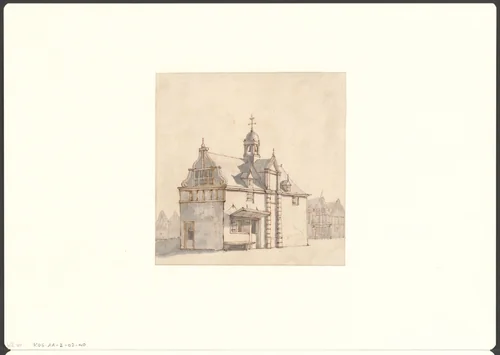
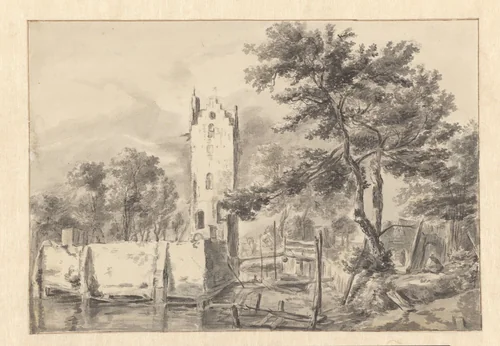
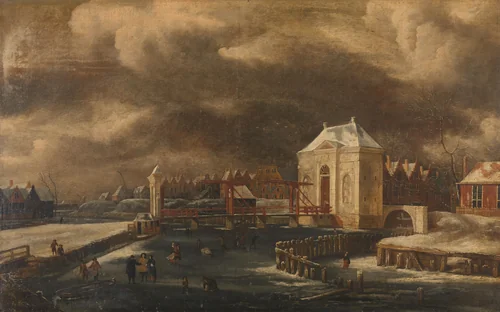
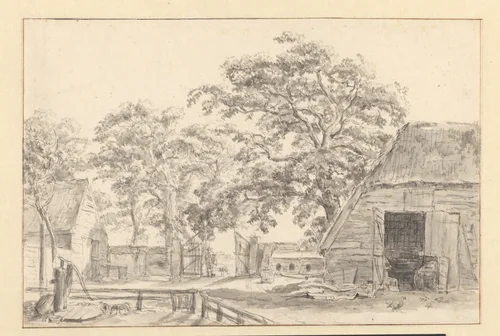
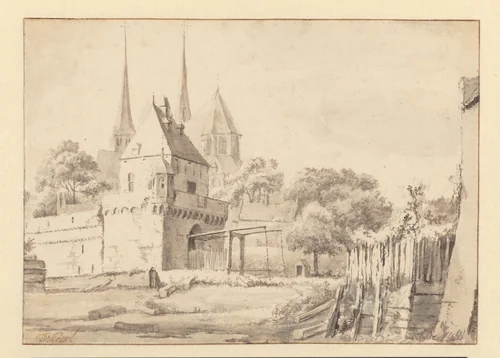
Contemporaneously, other Van Kessels pursued different specializations. Jan van Kessel (1641-1680), the Dutch Golden Age landscape painter, specialized in topographical city views. His canvases, including specific urban records like Gezicht op een molen buiten de Raampoort and Gezicht op het Paalhuis en de Nieuwe Brug, capture the bustling commerce and quickly evolving architecture of Amsterdam. The presence of two high-profile, talented individuals sharing the same moniker and operating simultaneously across two distinct schools of painting represents an intriguing historiographical challenge, one that speaks volumes about the density of artistic production in the period.
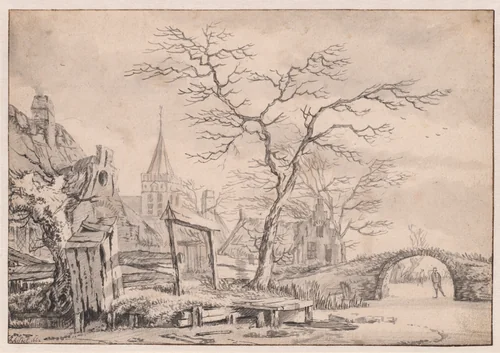
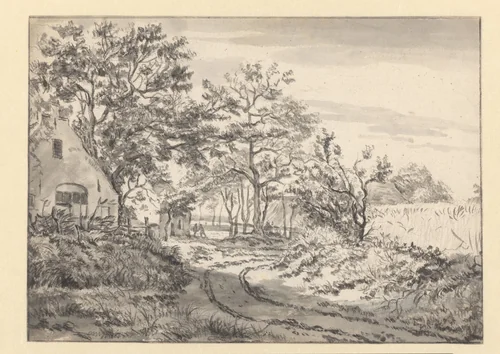
Despite the necessary distinctions between members, the collective output remains foundational to studies of Golden Age specialization. Their paintings and drawings, now held in major collections including the Rijksmuseum, the National Gallery of Art, and the Metropolitan Museum of Art, are recognized as enduring examples of museum-quality technique. Today, these seminal works are increasingly accessible; a wide range of Jan van Kessel prints and downloadable artwork is available from public domain sources, allowing detailed study of the precise draftsmanship and meticulous observation that characterized the family name.
Source: Wikipedia · CC BY-SA 4.0