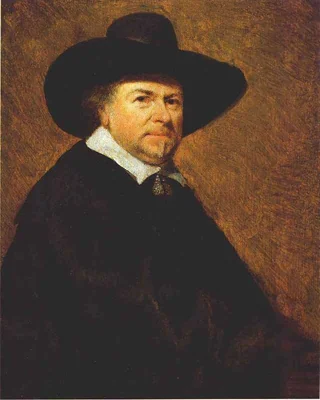
Jan van Goyen
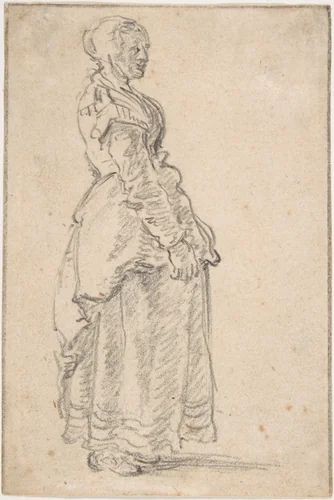
Jan van Goyen (1596-1656) stands among the most significant and prolific landscape painters of the Dutch Golden Age. A central figure in the shift toward tonal realism, the artist produced an extraordinary body of work, estimated at approximately twelve hundred Jan van Goyen paintings and more than one thousand drawings during his lifetime. This output established him as a cornerstone figure in 17th-century Dutch art, influencing a vast number of subsequent artists. His works, held in major international institutions including the Art Institute of Chicago, the Rijksmuseum, and the Metropolitan Museum of Art, demonstrate a commanding mastery over atmospheric rendering and nuanced composition.
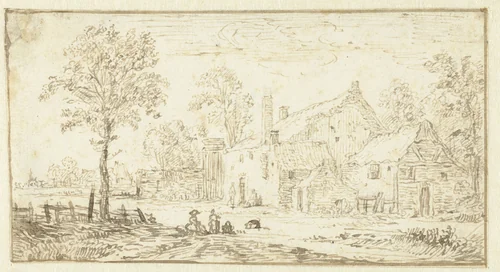
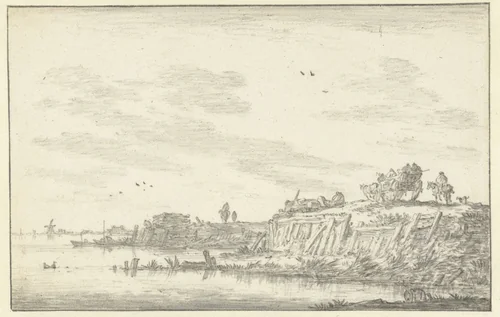
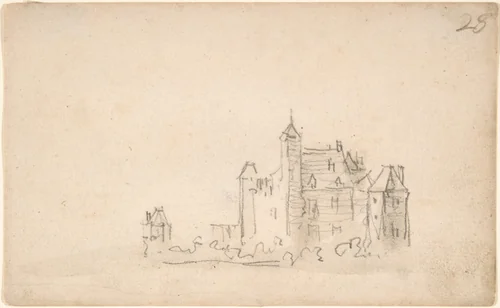
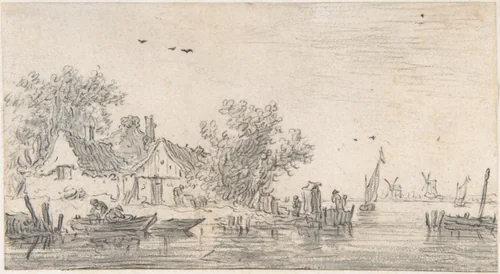
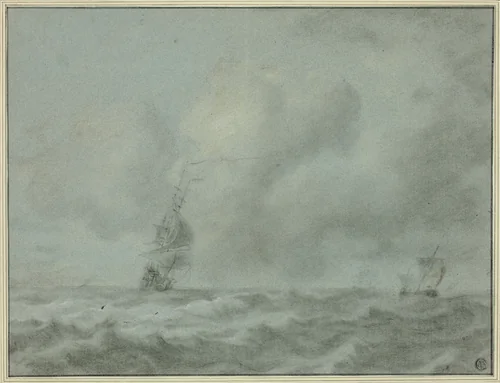
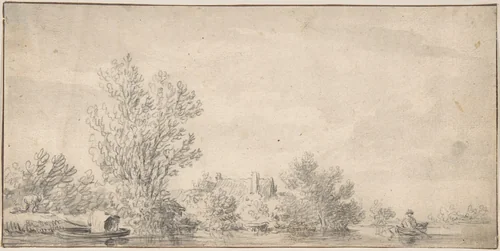
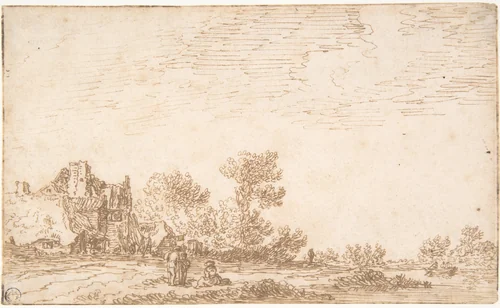
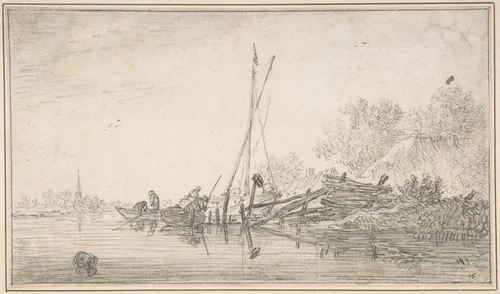
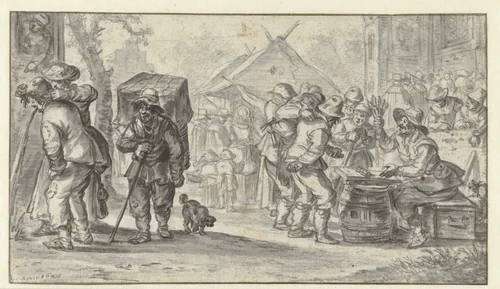
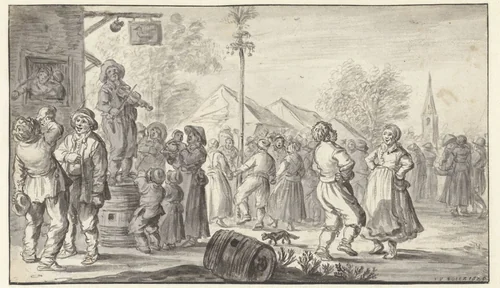
The scope of Van Goyen’s subject matter was notably broad, defying the specialization common among his contemporaries. He moved fluidly between detailed cityscapes, coastal marine scenes, intimate river landscapes, beach scenes, and rustic views featuring peasants. This breadth allowed him to document the physical and social realities of the Dutch lowlands comprehensively. He was pivotal in transforming landscape painting from merely topographical illustration into deeply felt studies of light, mood, and weather.
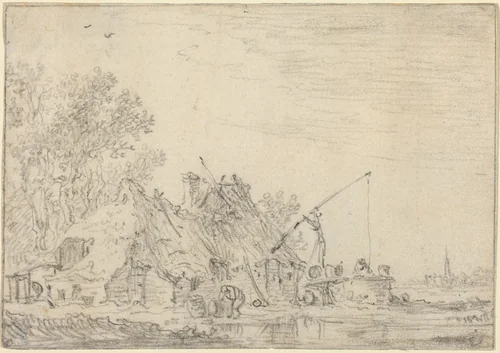
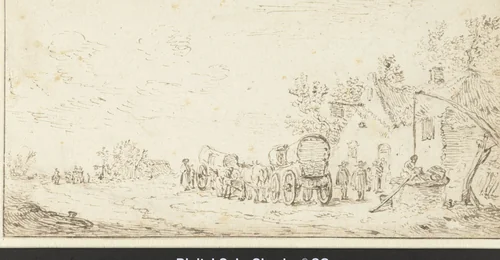
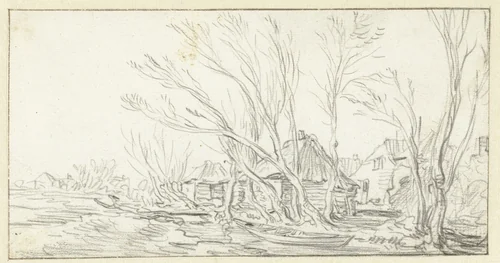
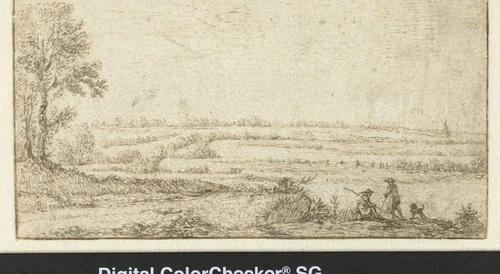
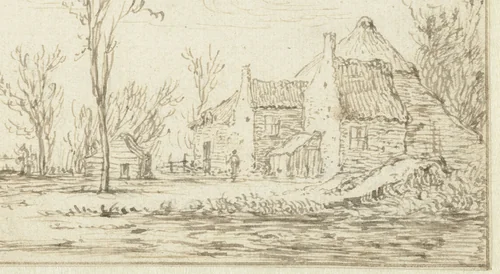
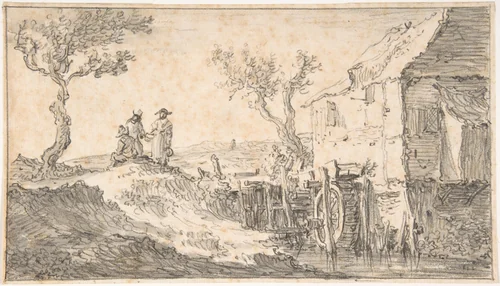
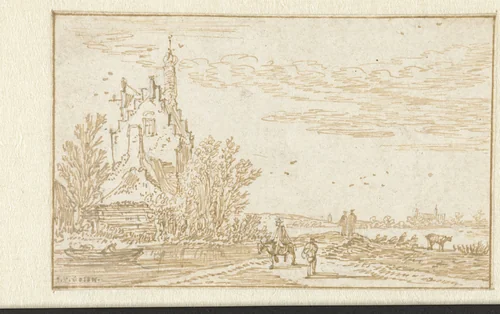
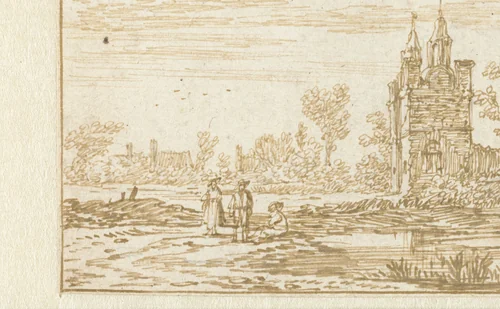
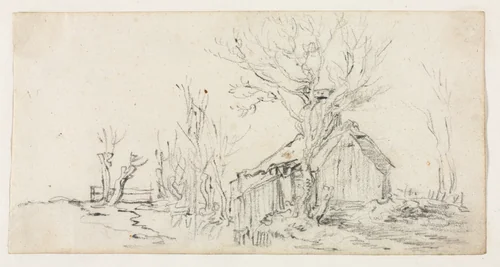
Van Goyen’s characteristic style relies on a limited, tonal palette, often using subdued yellows, browns, and grays to unify the scene. This subtle, almost monochromatic approach effectively captures the distinctive overcast light of Holland. Works such as Rustic House with a Well and Landschap met een wagen en een ruiter exemplify this technique, where the careful modulation of light and shadow supersedes narrative detail. His genius lay in finding profound visual interest within the seemingly ordinary.
His enduring influence shaped the stylistic foundation of Dutch landscape art for generations. It is often noted that while he was a master observer of his environment, his business acumen lagged behind his artistic talent; despite his immense output, sustained financial success remained elusive. Today, thanks to their universal appeal and historical significance, many of his finest works, including high-quality prints of his famous river scenes, are widely accessible in the public domain. This continued availability ensures that Van Goyen’s subtle yet profound vision of 17th-century Holland remains a vital benchmark for understanding the period’s artistic achievement.
Source: Wikipedia · CC BY-SA 4.0