Jan van de Velde
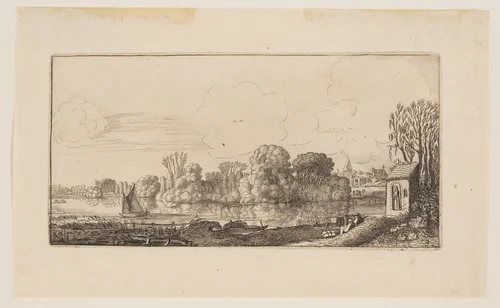
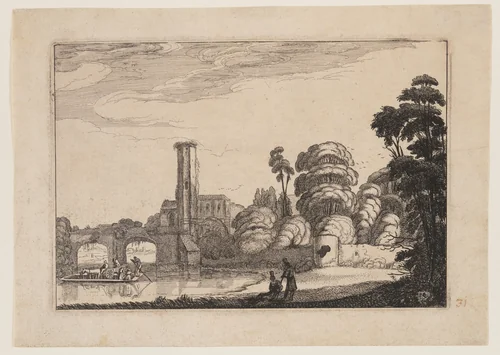
Jan van de Velde the Younger (active 1588-1600) stands as a foundational figure in the history of Dutch Golden Age art, contributing significantly to the rise of specialized genre subjects. Primarily operating as a sophisticated printmaker and painter, his work helped codify the market for accessible, high-quality prints that characterized the shift toward wider art ownership in the late sixteenth century. His career, centered around Haarlem, demonstrated an early and acute focus on themes that would define the subsequent century: detailed studies of animals, evocative landscapes, and early explorations of the independent still-life genre.
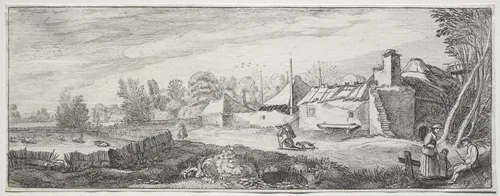
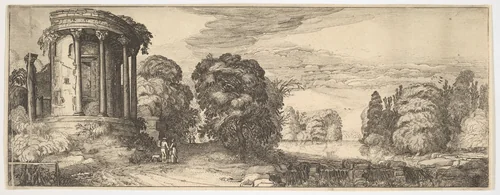
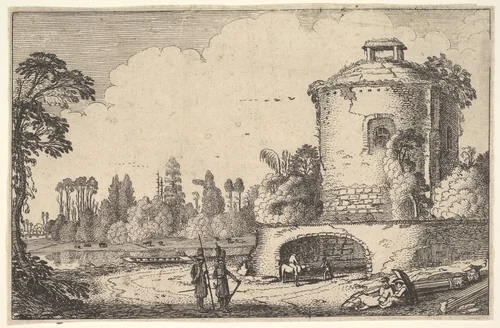
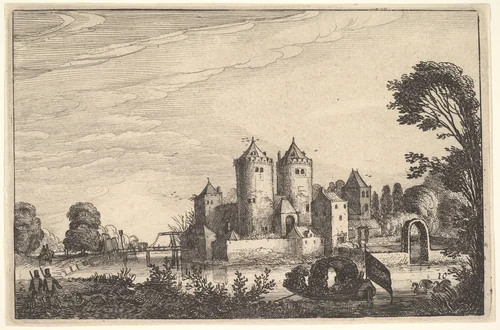
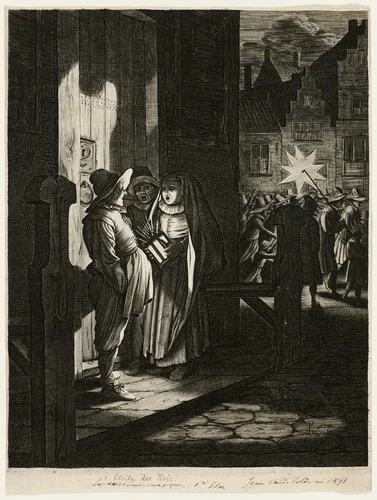
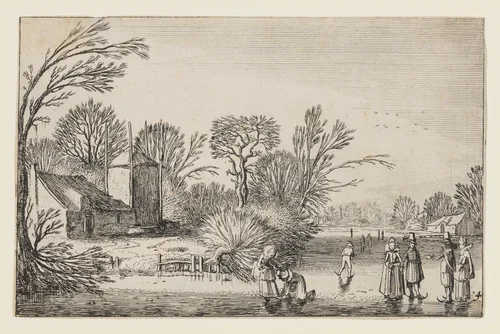
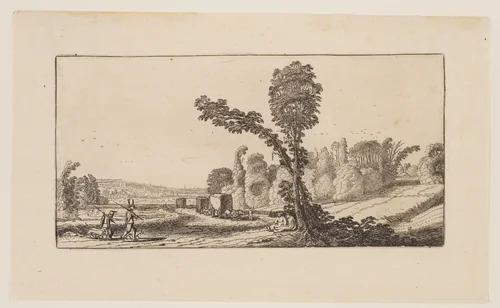
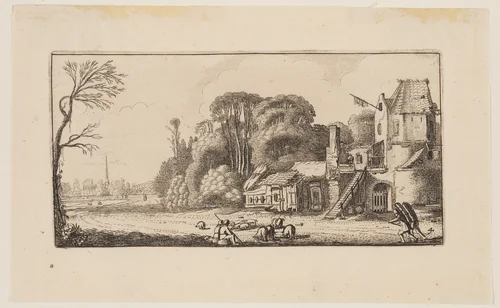
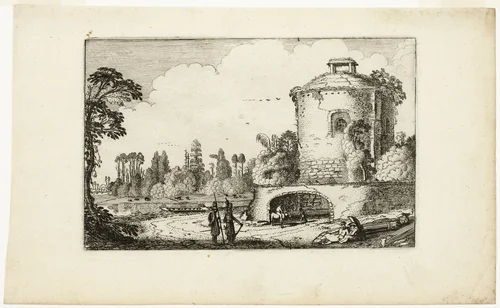
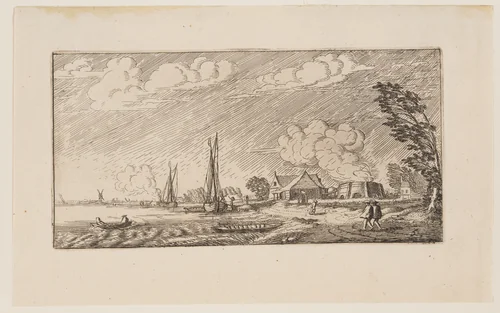
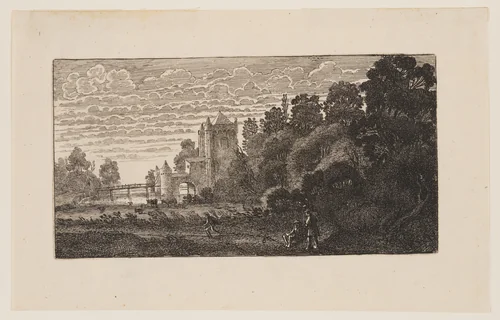
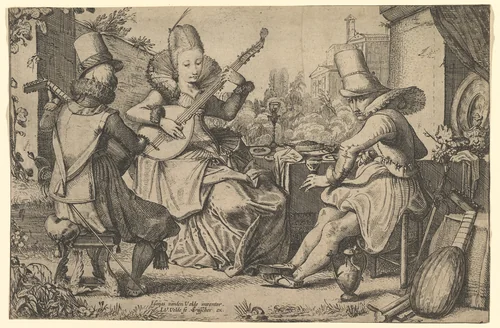
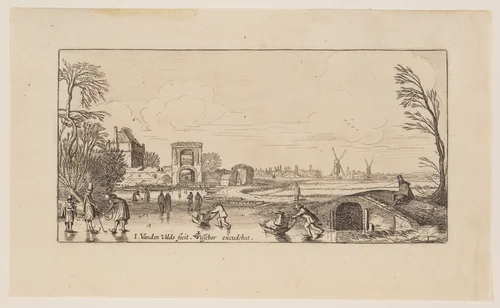
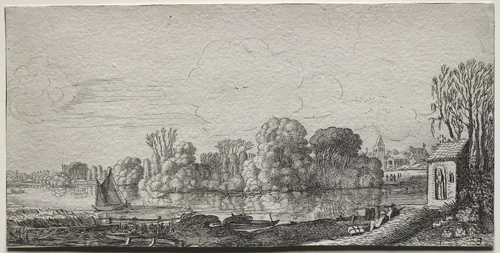
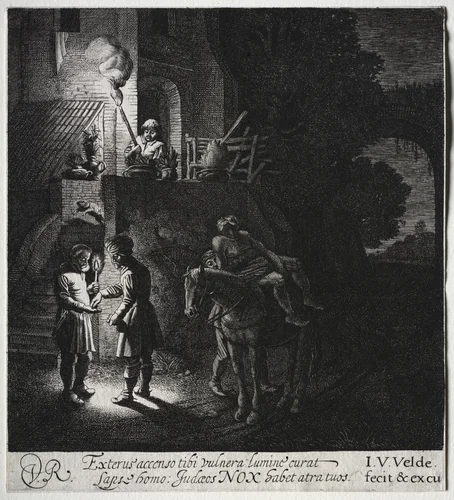
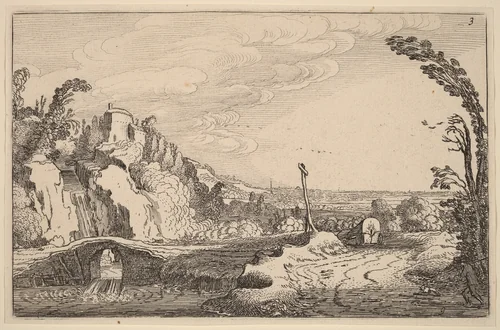
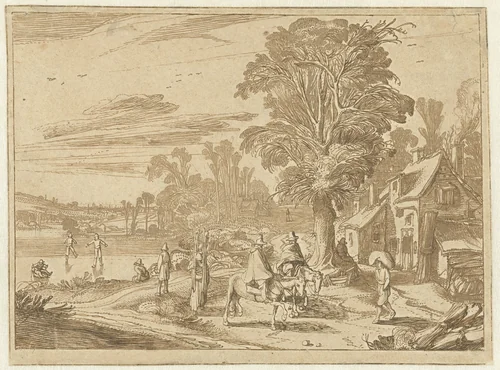
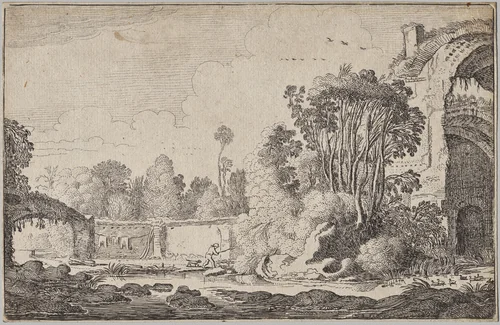
His concise yet impactful oeuvre, consisting of approximately fifteen documented prints, often shows a deep engagement with the rhythms of daily life and nature. Van de Velde’s famous print series detailing the calendar months, including April, August, December, and February, provides delicate and precise snapshots of the seasonal changes and corresponding human activity in the Low Countries. These highly technical engravings often served as models for other artists and ensured his compositions reached a broad international audience. His meticulous approach to rendering textures and light made his prints especially desirable.
The continuity of technical rigor within the family lineage is notable. Jan van de Velde the Younger occupied a crucial place between generations, being the son of the master Jan van de Velde the Elder and the father of the successful still-life specialist Jan Jansz van de Velde. This multigenerational tradition highlights the importance of craftsmanship and inheritance in the Dutch artistic ecosystem. Beyond landscape and still-life, he proved equally adept at official commissions, as evidenced by his detailed Portrait of Peter Scriverius. It is perhaps a quiet irony, given his status as a progenitor of a multi-generational artistic dynasty, that this master of lasting engravings remains primarily known to history simply as "The Younger."
Despite the relatively short span of his independent activity, Van de Velde’s historical impact and technical skill are affirmed by the presence of his work in prestigious institutions, including the Metropolitan Museum of Art and the National Gallery of Art. These museum-quality impressions confirm the long-standing value placed upon his contribution to Dutch realism. Today, much of his original printed output is secured in the public domain, allowing contemporary access to high-quality images, often available as royalty-free downloadable artwork, ensuring that the achievements of Jan van de Velde prints continue to be studied and celebrated worldwide.
Source: Wikipedia · CC BY-SA 4.0