Jan van Call
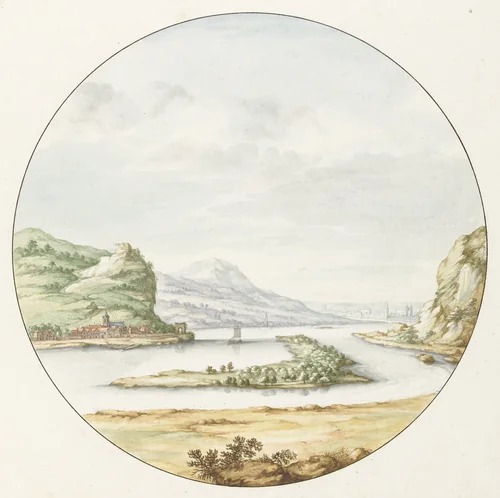
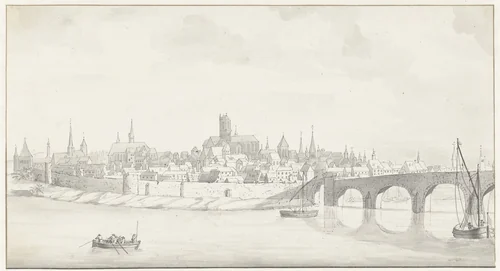
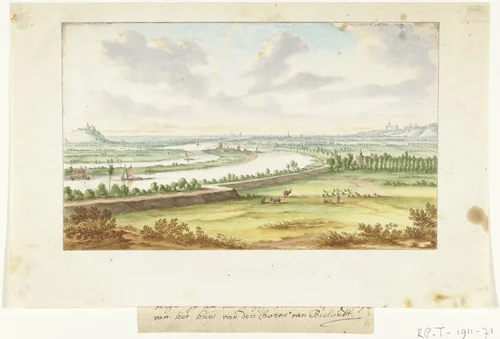
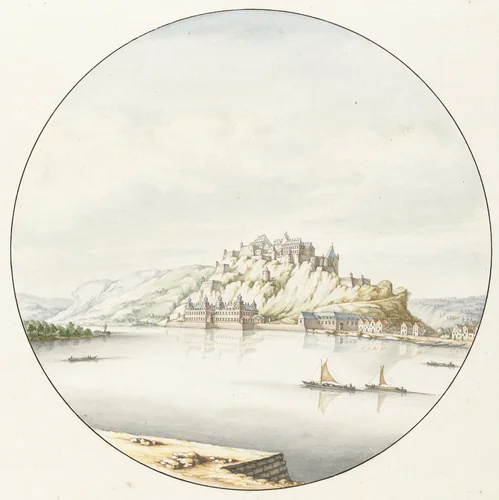
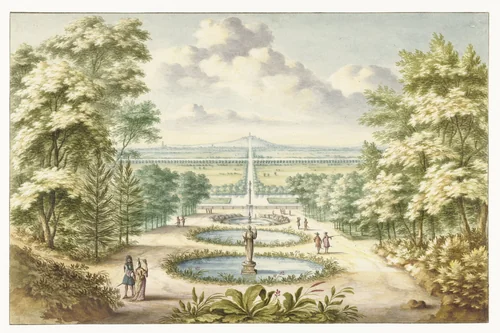
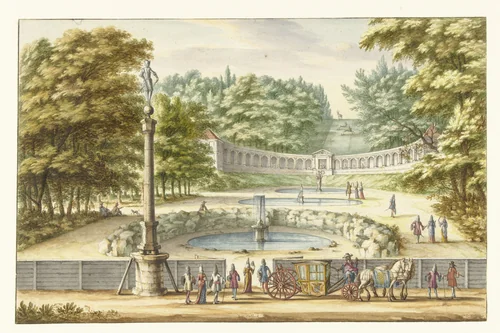
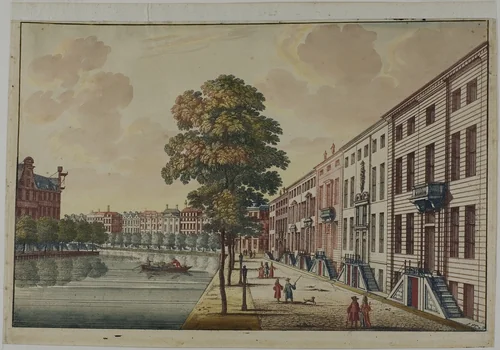
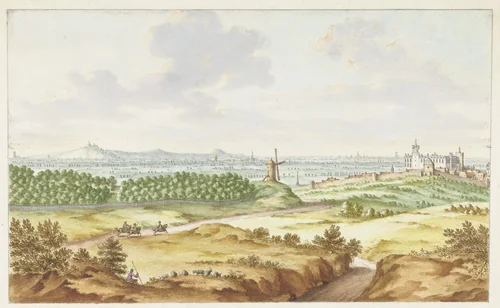
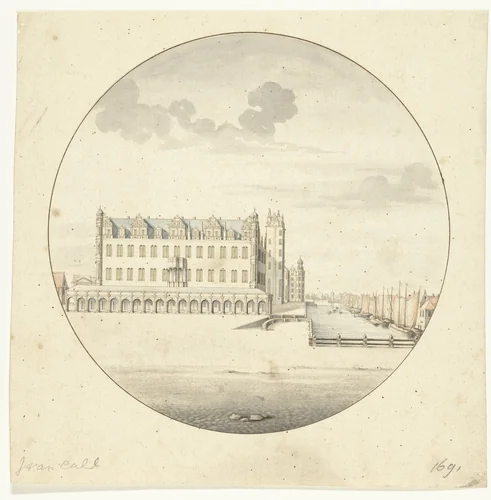
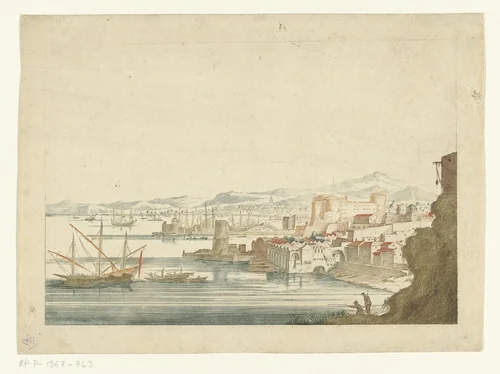
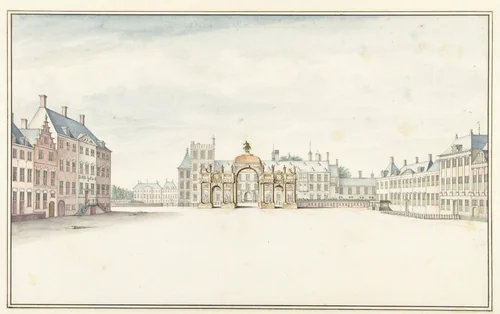
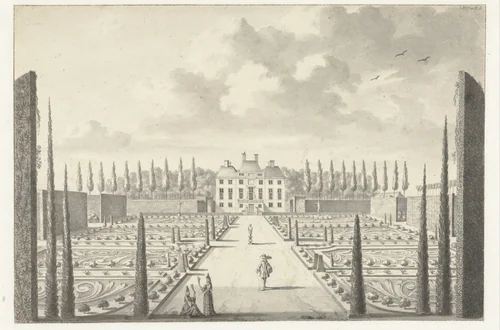
Jan van Call (1655–1703) was a prolific Dutch draftsman and engraver whose reputation rests primarily on his finely observed topographical landscapes produced during a concentrated active period between 1666 and 1675. Born in Nijmegen, Van Call’s significant artistic contributions secured his placement in major international institutions, including the Rijksmuseum and the Metropolitan Museum of Art, where his high-quality prints and drawings are preserved.
According to contemporary accounts, Van Call achieved considerable proficiency largely without formal instruction. His self-directed training involved the attentive copying of established masters such as Jan Brueghel, Paulus Bril, and Willem van Nieulant. Critically, he dedicated intense study to the principles of perspective and architecture, elements which became foundational to his subsequent career in landscape rendering.
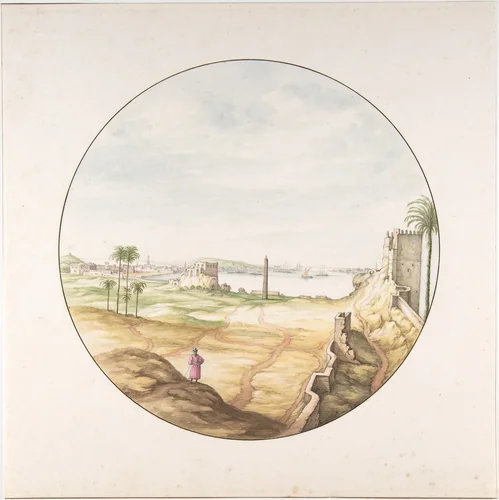
The maturation of Van Call’s style was heavily influenced by the traditional Grand Tour. After traveling through Switzerland, he established a residency of several years in Rome, where he compiled an extensive collection of designs derived from the most picturesque vistas within the city’s environs. This exhaustive visual cataloging defined his preference for specific topographical subjects. He returned to the Netherlands via Germany, settling eventually in The Hague. Though some biographers suggest he occasionally worked in collaboration with the renowned marine specialist Ludolf Bakhuisen, it is his independent production, particularly his drawings, that commanded the highest prices in the Dutch market.
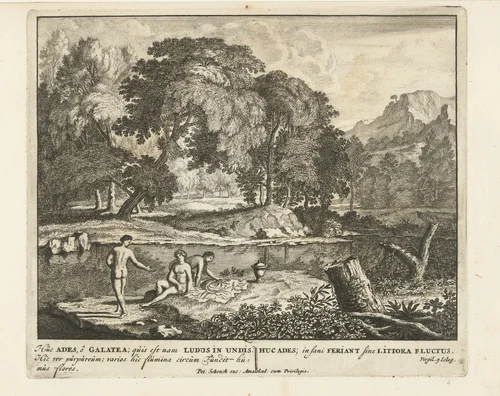
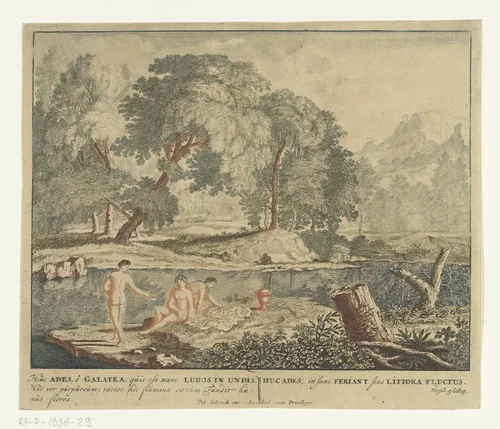
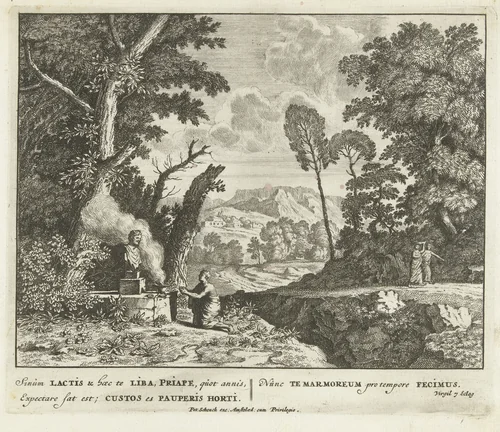
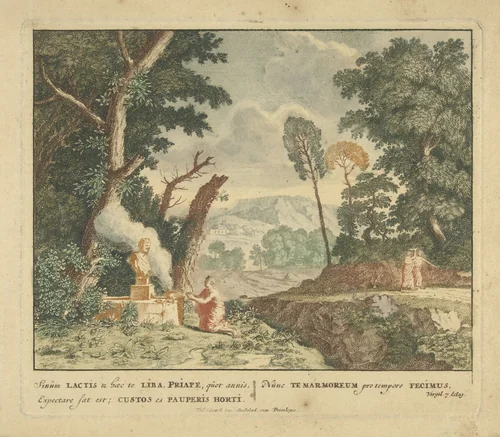
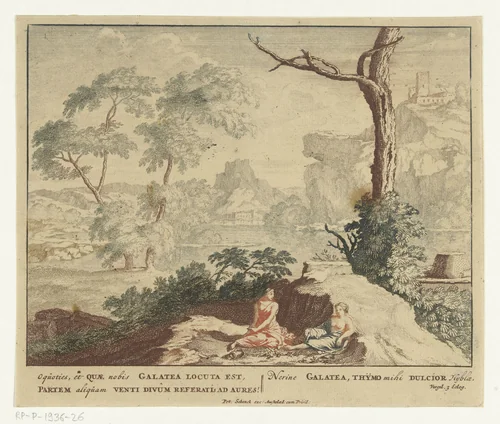
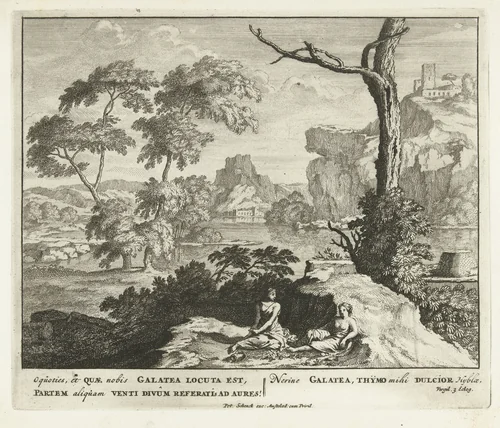
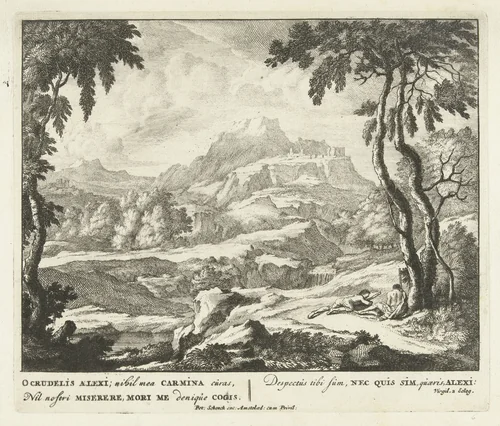
Van Call’s facility as an engraver proved vital to his enduring visibility. He created plates, principally landscapes based on his own designs, which ensured the wider circulation of his views. A significant series of these works, chiefly depicting scenes along the Rhine, were published by Schenk. Today, while Van Call is known for his commitment to architectural clarity and detailed perspective, his artistic range occasionally embraced the classical, evidenced by extant works such as Drie nimfen baden in een meertje and Een vrouw brengt een offer aan Priapus. These works reveal a capacity for mythological narrative that subtly complements his dominant output of topographical studies. The durability of his engraved work means that access to Jan van Call prints and related downloadable artwork remains robust in the public domain.
Source: Wikipedia · CC BY-SA 4.0