Jan van Aken
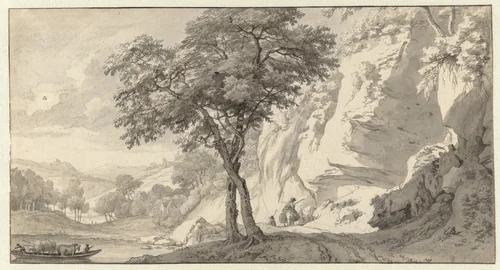
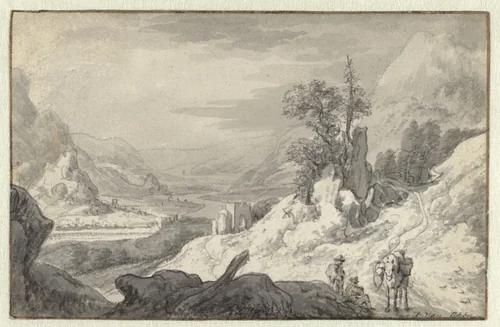
Jan van Aken (1614-1661) stands as a distinct, though often researched, figure in the Dutch Golden Age tradition of landscape and topographical art. Active during the mid-seventeenth century, the artist focused primarily on detailed studies rendered through drawing and printing. Aken’s identity often suffers the fate of artists with highly common names, requiring scholarly precision to distinguish his documented output from contemporaries, yet his surviving corpus secures his place within the period’s specialized genre practices.
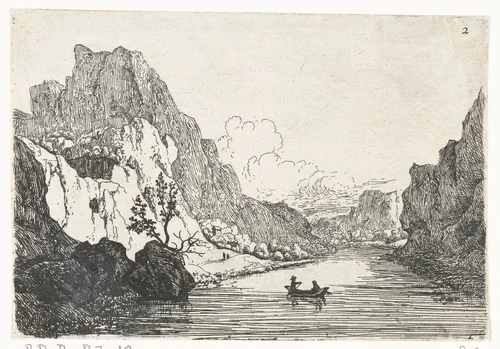
His activity, documented between 1620 and 1652, reveals an exacting attention to the recession of space across varied, often mountainous or rolling, terrain. Aken specialized in quiet, expansive views, favoring subtle shifts in light and atmosphere over dramatic incident. His known output consists of eleven meticulously executed prints and four definitive drawings, confirming his reputation as a master draftsman working for the print market.
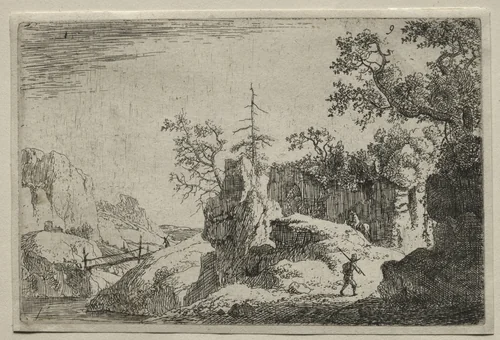
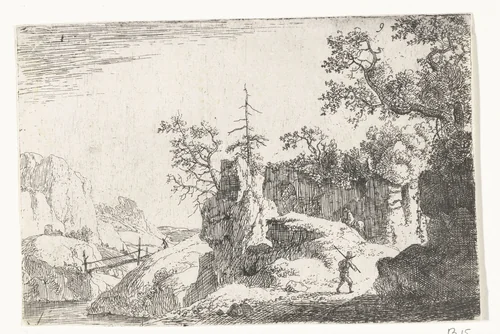
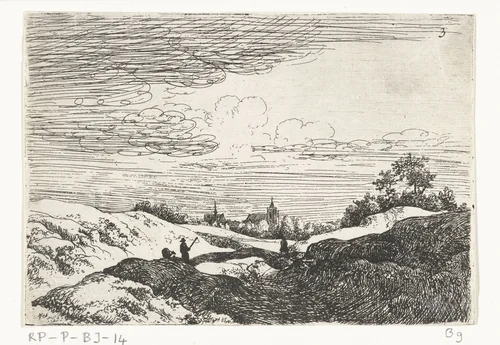
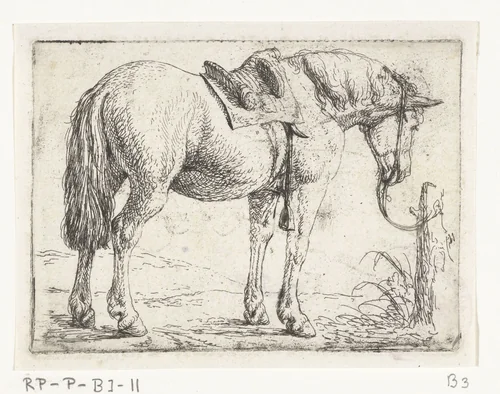
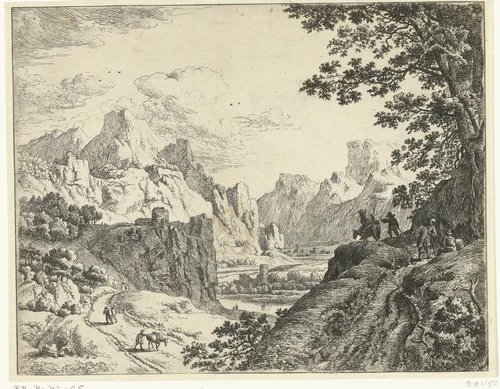
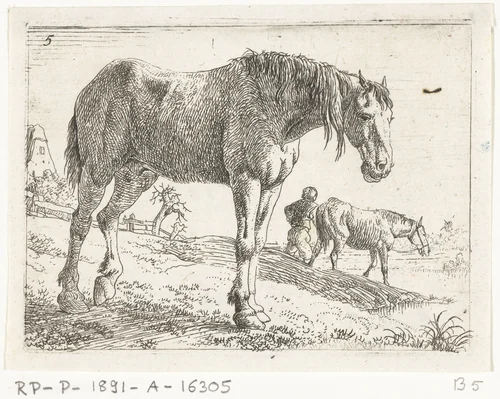
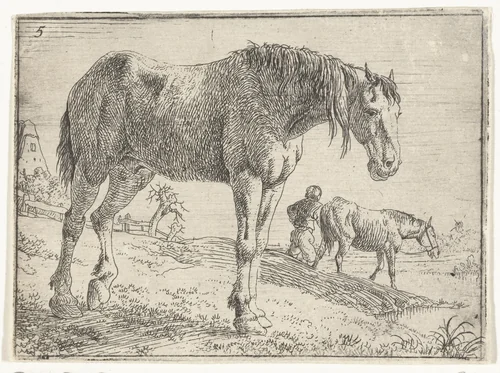
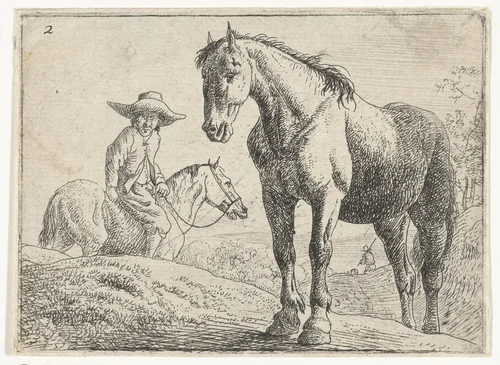
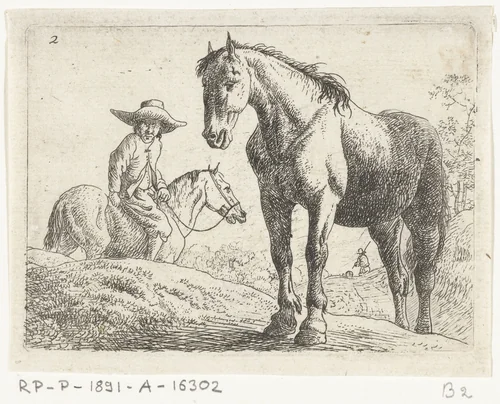
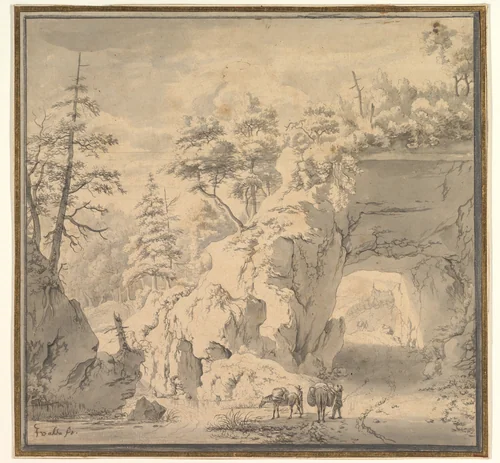
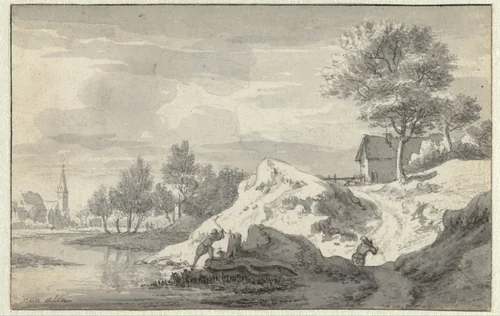
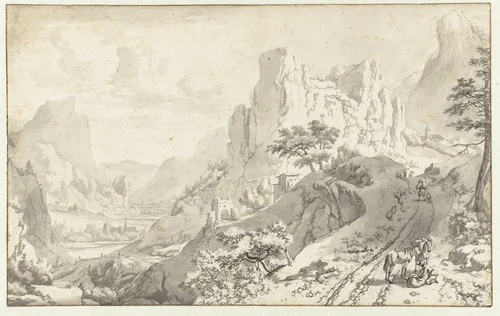
Aken’s compositions centered on human interaction within vast natural settings. Works such as Glooiend landschap met kerktorens (Rolling Landscape with Church Towers) showcase his skill in integrating architecture into the sweeping vista, while the intricate etching Landschap met ruiter (Landscape with Rider) and the more focused study, Paard met zadel (Horse with Saddle), demonstrate his careful rendering of animal subjects. His preference for measured observation provides his works with an enduring clarity that ensures his high-quality prints remain crucial documents of Dutch landscape conventions.
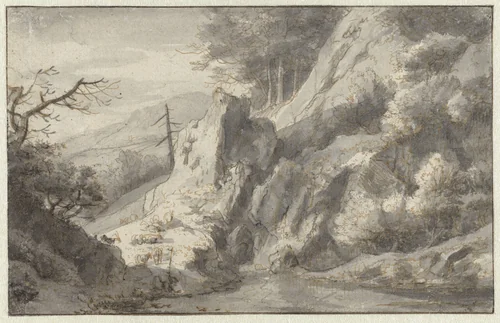
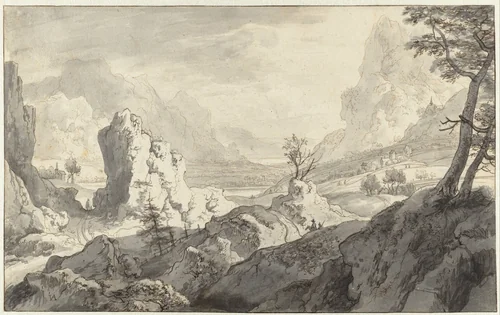
The historical value of Jan van Aken’s output is affirmed by its permanent placement in prestigious international collections, including the Rijksmuseum in Amsterdam, the Metropolitan Museum of Art, and the Cleveland Museum of Art. The detailed quality of his etched lines, particularly evident in pieces such as A Mountain Landscape, often serves as the benchmark for attributing his oeuvre. Furthermore, much of this foundational material now resides in the public domain, making downloadable artwork derived from his drawings and Jan van Aken prints accessible for contemporary study and appreciation.
Source: Wikipedia · CC BY-SA 4.0